How to Drink Traditional Greek Coffee Like a Local
If you’ve ever sat in a Greek café watching locals nurse tiny cups of thick, unfiltered coffee while chatting for hours, you’ve probably wondered: what makes Greek coffee so different—and how do they actually drink it? This isn’t your standard espresso or instant brew. It’s a cultural ritual with specific tools, techniques, and traditions that go back centuries.
To experience real Greek coffee, you’ll need a briki, finely ground coffee, sugar (optional), and patience. The coffee is boiled directly in the briki with water and sugar, then poured unfiltered into a cup—grounds and all. It’s slow, social, and steeped in meaning.
What Is Traditional Greek Coffee?
Greek coffee refers to a style of preparation, not a bean origin. It’s similar in strength to Turkish coffee but is now distinctly called ‘Greek’ due to historical tensions with Turkey. There are three common coffee styles in Greece: espresso (a strong black coffee), cappuccino (hot coffee with steamed milk), and fredo (an iced coffee with milk). But traditional Greek coffee is entirely different—it’s unfiltered, thick-bodied, and served with the grounds settled at the bottom.
How Greek Coffee Is Made: Briki & All
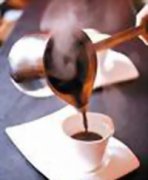
Traditional Greek coffee is brewed using a small metal pot called a briki, usually made of stainless steel. Unlike filtered coffee methods, the coffee isn’t strained. Instead, very finely ground coffee is mixed directly with cold water and sugar (if used) in the briki, then heated until it nears boiling. The mixture is removed from heat just before it boils over, and then poured slowly into small demitasse cups. The result is a thick, creamy coffee with a layer of foam on top and fine coffee grounds that settle at the bottom of the cup.
The grind size is extremely fine—similar to powdered sugar or even finer than espresso grind. There is no paper filter, metal filter, or mesh involved. The coffee is not brewed through pressure or dripping but through gentle heating and mixing.
How to Drink It: Customs, Flavour Add-Ins & Rituals
When drinking Greek coffee, you can customise the sweetness by choosing one of three levels: Gligi (sweet, with lots of sugar), Metrio (medium, with some sugar), or Skaito (no sugar). You can also add a pinch of spices like cinnamon, cardamom, or even coriander powder according to taste. Some drinkers enhance the experience by rubbing lemon peel around the rim of the cup for aroma, then squeezing a bit of juice into the foam to lift the flavours. The coffee is meant to be sipped slowly, often accompanied by conversation, and enjoyed without rushing—the grounds at the bottom are not meant to be drunk.
Once finished, many Greeks turn the cup upside down on its saucer and let it sit. Some, especially older generations, enjoy ‘reading’ the leftover coffee grounds to tell fortunes—a playful ritual tied to the slow pace of life.
Why It Matters: Culture, Community & Slow Coffee
Greek coffee isn’t just a drink—it’s a social event. The preparation method, the shared cups, the long pauses between sips, and even the post-drink coffee ground readings all reflect a cultural emphasis on slowness, connection, and mindfulness. In a country where life moves at a gentler pace, the coffeehouse is a cornerstone of daily life. Meeting someone for Greek coffee is an event, not just a caffeine break.

Frequently Asked Questions
What is the difference between Greek coffee and Turkish coffee?
Greek coffee and Turkish coffee are nearly identical in preparation, using finely ground coffee boiled in a small pot and served unfiltered. The main difference is cultural and political: due to historical tensions between Greece and Turkey, Greeks refer to the drink as ‘Greek coffee’ rather than ‘Turkish coffee’. Calling it Turkish coffee in Greece can be seen as offensive.
What kind of coffee grind is used for Greek coffee?
Greek coffee requires an extremely fine grind, similar to powdered sugar or even finer than standard espresso grind. The coffee is not filtered, so the fine particles remain in the cup and settle at the bottom as you drink.
Do you add milk to traditional Greek coffee?
No, traditional Greek coffee is not made with milk. It is served black, though variations like fredo include cold milk and are served iced. For sweetening, sugar is added during brewing, not afterward.
How do you make Greek coffee without a briki?
While a briki is traditional, you can technically make Greek-style coffee in any small metal pot as long as it allows for careful heating and pouring. The key is to mix the coffee, water, and sugar (if using) directly in the pot, bring it near boiling without letting it boil over, and pour it unfiltered into cups.
What does reading coffee grounds mean in Greece?
After drinking Greek coffee, many Greeks turn the cup upside down on the saucer and let the grounds dry. Some people, especially older ones, interpret the patterns left by the grounds to tell fortunes or predict future events. It’s a traditional form of entertainment and social bonding.
Recommended FrontStreet Beans for Greek-Style Brewing
While traditional Greek coffee uses its own unique grind and preparation style, fans of strong, bold flavours may enjoy trying FrontStreet Coffee’s Classic Blend for a similar intensity. Its balanced profile with notes of dark chocolate and caramel pairs well with the thick mouthfeel of unfiltered brews. For something more aromatic, try the FrontStreet Specialty Blend, which highlights citrus and berry tones—great if you add lemon or spices to your Greek coffee. Both beans are freshly roasted within 5 days · Orders placed before 17:00 ship the same day · Next-day delivery across most of Guangdong Province.
FrontStreet Coffee is a long-established specialty coffee roaster in Guangzhou China, selling freshly roasted beans from its own farm in Yunnan as well as dozens of carefully selected single-origin beans from around the world for both pour-over and espresso. The products deliver consistently excellent quality and great value, with shipping within 24 hours. Guangzhou's FrontStreet Coffee shop is recommended by many coffee lovers, and the beans are now available online at the Tmall 。
Important Notice :
前街咖啡 FrontStreet Coffee has moved to new addredd:
FrontStreet Coffee Address: 315,Donghua East Road,GuangZhou
Tel:020 38364473