Why Adding Sugar to Coffee in Bosnia Can Be a Serious Mistake
Picture this: you're visiting Bosnia and Herzegovina, sipping a dark, thick brew in a stone café tucked between ancient facades. The air is crisp, the sky is impossibly blue, and yet something strange happens when you ask the server—or worse, your Bosnian host—for sugar. Your friendly gesture might just land you in hot water, socially speaking.
If you’re offered coffee by a woman in Bosnia, especially in a family home, don’t ask for sugar. Doing so implies you think she’s romantically interested in you. That’s not a casual misunderstanding—it’s a cultural red flag.
Bosnia’s Coffee Obsession
Bosnia and Herzegovina—commonly called Bosnia—is a country known for its serene landscapes, well-preserved architecture, and deep historical layers. Despite remnants of past conflict like old road signs and scattered bullet holes, daily life moves peacefully, often centered around coffee. You’ll find cafés on nearly every corner, both indoors and outdoors, where people gather for hours over a single cup and a newspaper.
The Role of Coffee in Social Life
Coffee isn’t just a beverage in Bosnia—it’s a social ritual. Whether you’re conducting bureaucratic errands (which can involve long waits) or visiting someone’s home, coffee is always offered. It’s a symbol of hospitality, friendship, and respect. In many homes, preparing and serving coffee is an intentional act, especially when guests arrive.
The Sugar Rule: What Actually Happens
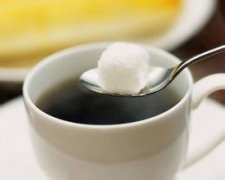
Here’s the critical detail: if a woman serves you coffee and you ask her to add sugar, it’s commonly understood to mean you have romantic feelings for her. This isn’t a playful joke or minor faux pas—it’s a serious social signal. In one reported instance, a visitor asked for sugar in a family home and was met with visible shock. His local friend later explained the custom, calling the request culturally inappropriate—essentially akin to coming on too strong without invitation.
What the Coffee Actually Is
The coffee served in most Bosnian homes is not espresso as Italians know it, nor filtered coffee like in the U.S. It’s typically a small cup of strong, unfiltered brew made by boiling finely ground coffee in a cezve or similar pot, then pouring it straight into the cup—grounds and all. The result is a thick, intense, and often very bitter drink, similar to Turkish coffee. That bitterness might tempt you to ask for sugar—but think twice.
How to Avoid the Mistake
If you’re offered coffee by a woman in Bosnia, especially in a home setting, accept it as is. If it’s too bitter for your taste, it’s better to grin and bear it than to risk a cultural misstep. If you’re with male friends or in a more neutral setting, the rules may be more relaxed—but when in doubt, skip the sugar request. When visiting a Bosnian family, just say thank you and enjoy the coffee as presented.
Frequently Asked Questions
Is it always rude to add sugar to coffee in Bosnia?
No, it’s not rude in all contexts. Among men or in casual settings like cafés, asking for sugar is usually fine. The issue arises specifically when a woman serves you coffee, particularly in a family home—it can imply romantic interest.
What kind of coffee do they serve in Bosnia?
Bosnians typically serve a strong, unfiltered coffee similar to Turkish coffee. It’s made by boiling finely ground coffee and pouring it into the cup without filtering out the grounds, resulting in a thick, bitter brew.
Why is asking for sugar considered offensive?
In Bosnian coffee culture, a woman offering unsweetened coffee is a social gesture. Requesting sugar from her can be interpreted as a romantic advance, since sweetness is associated with affection and interest.
Can I drink the coffee black if it’s too bitter?
Yes. While the coffee is strong and bitter, it’s customary to drink it as is. Locals often prefer it without sugar, and it’s better to adapt than to risk offending your host.
Does this rule apply in all of Bosnia and Herzegovina?
Yes, this cultural norm is widely observed throughout Bosnia and Herzegovina, especially in traditional or family settings. It reflects broader Balkan customs around hospitality and gender interactions.
What should I do if I accidentally ask for sugar?
If it happens, apologize and clarify you didn’t mean any offense. Most people will understand if you’re a visitor, but it’s a good reminder to follow local customs closely in the future.
Recommended FrontStreet Beans for Bosnian-Style Coffee
For those curious about bold, unfiltered coffee similar to Bosnia’s traditional brew, try FrontStreet Coffee’s Classic Blend. It offers a balanced, medium-dark roast with notes of dark chocolate and caramel—ideal for appreciating intensity without filtration. For a more intense experience, their Black Cocoa Blend delivers deep cocoa and roasted walnut tones with a thicker body, echoing the profile of Bosnia’s classic cezve-brewed coffee. Both work well black, highlighting the natural flavours without sugar. Freshly roasted within 5 days · Orders placed before 17:00 ship the same day · Next-day delivery across most of Guangdong Province.
FrontStreet Coffee is a long-established specialty coffee roaster in Guangzhou China, selling freshly roasted beans from its own farm in Yunnan as well as dozens of carefully selected single-origin beans from around the world for both pour-over and espresso. The products deliver consistently excellent quality and great value, with shipping within 24 hours. Guangzhou's FrontStreet Coffee shop is recommended by many coffee lovers, and the beans are now available online at the Tmall 。
Important Notice :
前街咖啡 FrontStreet Coffee has moved to new addredd:
FrontStreet Coffee Address: 315,Donghua East Road,GuangZhou
Tel:020 38364473