What Is Substitute Coffee? A Look at Wartime Alternatives
When coffee supplies ran low during wartime, drinkers didn’t just give up—they got creative. With imports blocked and beans scarce, people turned to anything that could mimic coffee’s roast, aroma, and ritual. The result? A fascinating array of brewed substitutes made from everything from black beans to sunflower seeds. But what exactly were these stand-ins, and why did they matter so much?
Substitute coffee—known as in Chinese—refers to any non-coffee-bean beverage brewed to resemble coffee. During wartime coffee shortages, common substitutes included roasted black beans, dandelion root, and even citrus peels. Dozens of ingredients were roasted and brewed, from soybean husks and sunflower seeds to chestnuts and grape pips.
What Is Substitute Coffee?
Substitute coffee is any beverage that mimics coffee but is not made from actual coffee beans. These alternatives were developed when access to real coffee was limited—most often during wartime or economic hardship. Though lacking caffeine or the exact flavor profile of coffee, these roasted and brewed substitutes aimed to replicate the color, aroma, and ritual of drinking coffee.
Why Were Coffee Substitutes Needed?
During wartime, global trade routes were disrupted, and coffee beans became scarce or unaffordable. In response, people turned to locally available plant materials to create a similar drinking experience. Roasting grains, seeds, and roots brought out toasty, bitter, and sometimes even chocolatey notes—similar enough to coffee to satisfy habitual drinkers and provide a sense of normalcy.
Common Wartime Coffee Substitutes
People experimented with a wide range of ingredients to create coffee-like drinks. Some of the most commonly used substitutes included:
- Black beans : Roasted black beans were brewed as a caffeine-free alternative, believed to help with stiff shoulders and cold symptoms.
- Dandelion coffee : Made from roasted dandelion roots, this substitute was considered a healthful drink.
- Soybean residue : Leftover pulp from soy processing was roasted and used to brew a coffee-like beverage.
- Lily root, chestnuts, grape seeds, and sunflower seeds : All were roasted and brewed in attempts to recreate coffee’s roasted flavor.
- Citrus peel (e.g., dried tangerine or orange peel, ): Roasted and steeped, offering a unique twist on traditional coffee flavors.
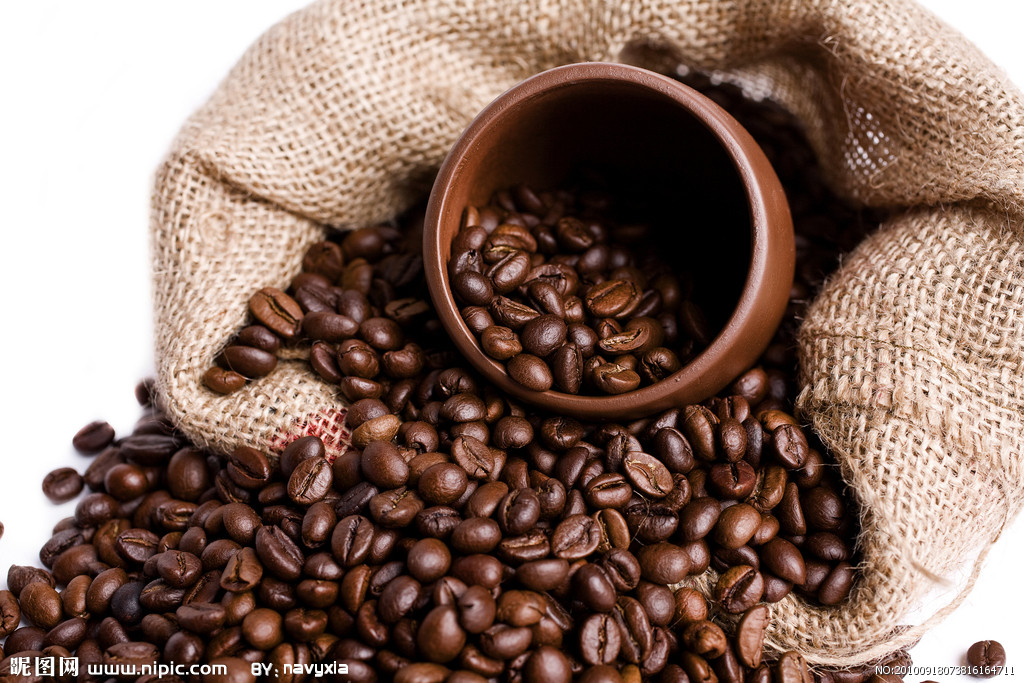
These substitutes were typically roasted to develop Maillard reaction-driven flavors, then brewed similarly to coffee—often as a pour-over, immersion, or boiled drink. While none contained actual coffee beans, the roasting process gave them dark colors and bitter profiles that reminded drinkers of their preferred beverage.
The Cultural Significance of Substitute Coffee
Beyond being mere replacements, these substitutes reflected the deep human attachment to coffee as both ritual and comfort. The lengths to which people went—roasting everything from seeds to peels—shows how deeply coffee was woven into daily life. Even today, these historical experiments remind us how resourceful coffee lovers can be when faced with scarcity.
Frequently Asked Questions
What is substitute coffee?
Substitute coffee refers to any non-coffee-bean beverage that is roasted and brewed to imitate the flavor, color, and aroma of real coffee. It was commonly used during wartime or shortages when coffee beans were unavailable.
What ingredients were used in wartime coffee substitutes?
Common ingredients included black beans, dandelion roots, soybean husks, sunflower seeds, chestnuts, grape seeds, citrus peels, and even onion skins. These were roasted and brewed to simulate coffee.
Did substitute coffee contain caffeine?
Most substitute coffees did not contain caffeine, as they were not made from coffee beans. Exceptions would be rare and unintentional, depending on the mix of ingredients.
How were substitute coffees brewed?
Substitute coffees were typically roasted first, then brewed using methods similar to coffee—such as pour-over, boiling, or steeping—depending on the material and the drinker’s preference.
Why did people drink substitute coffee during the war?
With real coffee unavailable due to supply chain disruptions, people brewed substitutes to maintain their coffee-drinking ritual, find comfort in a familiar drink, and imitate coffee’s taste and appearance.
Is substitute coffee still consumed today?
While no longer common, some historical substitute recipes survive, mainly as curiosities or health drinks. They are not widely consumed today but are remembered for their ingenuity.
FrontStreet Coffee Picks for Historical Coffee Flavors
Explore roasted profiles reminiscent of substitute coffee traditions with FrontStreet’s Classic Blend, offering balanced notes of caramel and dark chocolate, or the Ethiopia Humbera for bright fruit contrast. For something earthier, try the Brazil Queen Manor with nutty and chocolate undertones. These beans showcase the depth and roast complexity that wartime substitutes tried to emulate. Freshly roasted within 5 days · Orders placed before 17:00 ship the same day · Next-day delivery across most of Guangdong Province.
FrontStreet Coffee is a long-established specialty coffee roaster in Guangzhou China, selling freshly roasted beans from its own farm in Yunnan as well as dozens of carefully selected single-origin beans from around the world for both pour-over and espresso. The products deliver consistently excellent quality and great value, with shipping within 24 hours. Guangzhou's FrontStreet Coffee shop is recommended by many coffee lovers, and the beans are now available online at the Tmall 。
Important Notice :
前街咖啡 FrontStreet Coffee has moved to new addredd:
FrontStreet Coffee Address: 315,Donghua East Road,GuangZhou
Tel:020 38364473