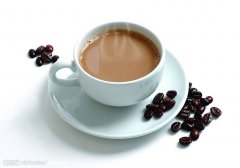
What Is Espresso? The Basics of Italian Espresso Coffee
If you’ve ever watched an experienced barista pull a shot and wondered what really defines a great espresso, you’re not alone. Unlike filtered coffee, espresso is thick, intense, and served in mere seconds—but there’s far more behind that small cup than speed alone. What makes espresso “espresso” isn’t just the brew method; it’s the science and craft behind every element.
An authentic espresso shot features a rich, deep red-brown crema that makes up 10–30% of the shot. It pours slowly, almost like warm honey, and delivers an immediate punch of aroma and flavor. That’s the hallmark of a well-made espresso—and the standard every coffee enthusiast should know.
What Exactly Is Espresso?
The word “espresso” comes from the Italian word for “fast,” and for good reason. Traditional espresso is both prepared and served quickly. The coffee extracts under high pressure, typically between 9 and 10 bars, resulting in a small, concentrated shot—usually around 25–30ml—brewed in 20–30 seconds. This process creates a beverage that’s much thicker and more intense than regular drip or filter coffee.
The Four M’s: What Defines a Quality Espresso
According to traditional espresso theory, four key factors—collectively called the “Four M’s”—determine the quality of your shot:
- Macinazione (Grinding): Proper grind size is essential. Espresso requires a fine, consistent grind to facilitate the necessary pressure and extraction.
- Miscela (Blend): The coffee blend itself. Most traditional espressos are made from a balanced mix of arabica and some robusta beans to build body, crema, and complexity.
- Macchina (Machine): A proper espresso machine capable of sustaining 9 bars of pressure with stable temperature control is non-negotiable.
- Mano (Hand/Bartender Skill): The barista’s technique—dosing, tamping, timing, and monitoring—plays a critical role in shot quality.
Only when all four elements are precisely managed can you pull a truly excellent espresso shot. Miss one, and the balance suffers.
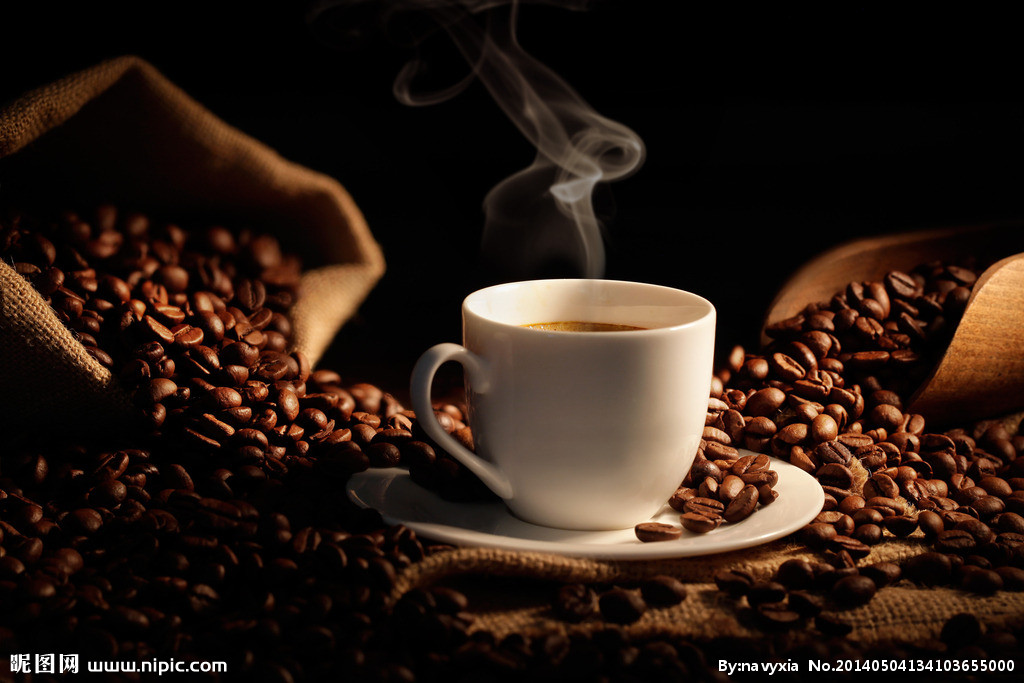
What Is Crema? The Heart of Espresso’s Appearance
The crema is the golden-brown to deep reddish layer that floats on top of a properly extracted espresso. It’s not just foam—it’s a complex emulsion of coffee oils, carbon dioxide (from fresh beans), and tiny air bubbles formed under pressure. This crema contributes not only to the visual appeal but also to the aroma and mouthfeel of the espresso.
Freshly roasted coffee releases more carbon dioxide during brewing, which helps create a thicker, more stable crema. The crema also acts as a visual cue: thin, pale, or quickly dissipating crema often indicates stale coffee, incorrect grind, or poor technique.
Why Freshness, Roast Level, and Bean Type Matter
Espresso is uniquely sensitive to bean freshness, roast profile, and origin blend. Unlike lighter brew methods, espresso highlights body, sweetness, and intensity. That’s why many espresso blends include a small percentage of robusta beans—they boost crema formation and add boldness.
Arabica beans tend to produce a cleaner, more acidic cup with brighter fruit or floral notes, but they usually generate less crema. Robusta beans, on the other hand, have higher natural oils and gas content, contributing to thicker crema and a heavier mouthfeel, though often at the cost of higher bitterness.
How to Evaluate a Good Espresso
When assessing espresso quality, professionals look at three main factors:
- Crema: Should be 10–30% of the shot volume, deep red-brown, and creamy in texture.
- Aroma: Rich, bold, and layered—indicative of proper extraction and fresh beans.
- Flavor & Concentration: Intense but balanced. A good espresso should coat your palate without being overly sour, bitter, or thin.
A shot that pulls too fast often tastes weak or sour; one that pulls too slow can taste bitter and over-extracted. Timing, dose, and pressure all affect the final result.
Espresso Equipment: Not All Machines Are Equal
While home machines have improved dramatically, not all can maintain the stable 9-bar pressure required for ideal espresso extraction. Lower-end or automatic machines may struggle to produce true crema or maintain consistency. For best results, a machine with a reliable pump, good temperature stability, and a proper portafilter is key.
Grinder quality matters just as much. Burr grinders with fine adjustment settings are essential to dialing in the perfect espresso grind—usually finer than what you’d use for pour-over or French press.
Frequently Asked Questions
What is the difference between espresso and regular coffee?
Espresso is a concentrated coffee brewed under high pressure (9–10 bars) for 20–30 seconds, resulting in a small, thick shot with crema. Regular coffee is typically drip-brewed or filtered, using gravity rather than pressure, and has a lighter body and higher volume.
What should good espresso crema look like?
Good espresso crema should be deep red-brown to golden brown, make up 10–30% of the shot, and have a smooth, creamy texture. It should linger and not dissipate immediately, indicating freshness and proper extraction.
Does espresso have to have crema?
Ideally, yes. Crema is a sign of fresh coffee, proper pressure, and correct brewing. While some espresso styles may produce less crema, its absence often points to stale beans, wrong grind, or equipment issues.
Can I make espresso with 100% arabica beans?
Yes, but most traditional espresso blends include a small amount of robusta for better crema and body. 100% arabica can work, especially if freshly roasted, but may lack the heaviness or richness some drinkers expect.
Why is my espresso crema thin or pale?
Thin or pale crema often means the coffee is stale, the grind is too coarse, the tamp is too light, or the beans are under-roasted. It could also indicate low pressure or poor temperature stability in the machine.
How important is the espresso machine for crema?
Very. A machine that can’t sustain 9 bars of pressure won’t produce true crema. Temperature stability and a well-designed portafilter also contribute significantly to crema quality and overall extraction.
Best FrontStreet Coffee Beans for Espresso
For rich espresso crema and bold flavor, try FrontStreet Coffee’s Classic Blend and Commercial Blend. The Classic Blend combines Brazilian, Mandheling, and a touch of robusta, roasted medium-dark to bring out notes of butter, toast, and caramel, with thick, velvety crema. The Commercial Blend is designed for consistency and body, ideal for everyday espresso. Both blends deliver the structure and richness that define a great shot. Freshly roasted within 5 days · Orders placed before 17:00 ship the same day · Next-day delivery across most of Guangdong Province.
FrontStreet Coffee is a long-established specialty coffee roaster in Guangzhou China, selling freshly roasted beans from its own farm in Yunnan as well as dozens of carefully selected single-origin beans from around the world for both pour-over and espresso. The products deliver consistently excellent quality and great value, with shipping within 24 hours. Guangzhou's FrontStreet Coffee shop is recommended by many coffee lovers, and the beans are now available online at the Tmall 。
Important Notice :
前街咖啡 FrontStreet Coffee has moved to new addredd:
FrontStreet Coffee Address: 315,Donghua East Road,GuangZhou
Tel:020 38364473