From Cafe to Barista Competition: What It Takes
If you’ve ever watched a skilled barista pour latte art or pull a flawless shot, you might wonder how they go from serving customers to competing on stage. For many, the journey begins behind the counter—but the leap to barista competition is more than just better pouring technique. It’s a different world, with its own rules, training paths, and pressure.
To reach the World Barista Championship, a Chinese barista must first win their provincial competition, then compete at the Shanghai International Hotel & Catering Appliances Expo—usually held in March or April—where the national champion is chosen. That winner then represents China at the global event, such as the 2014 championship in Melbourne, Australia.
What Determines Success in Barista Competitions?
Many think great cafe performance translates directly to winning competitions—but it doesn’t. Barista competitions involve specific training in presentation, taste balance, and technical execution. These same skills also improve service quality back in your shop.
How to Prepare for a Barista Competition
Whether you're competing in China or abroad, these steps apply:
1. Know the Scoring Standards
Familiarity with international scoring criteria is essential. Judges look for consistency, taste clarity, technique, and customer engagement. Reading and internalizing these standards helps reduce mistakes and align your routine with what judges want. This isn’t something you can master overnight—it requires ongoing, deliberate practice.
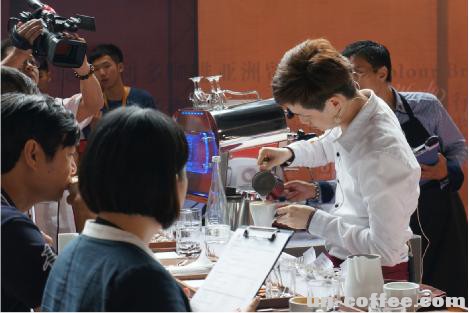
2. Choose the Right Coffee Beans
Espresso makes up the largest and fastest-scoring segment of most competition rounds. You’ll need to present your coffee and explain your choices to judges. Selecting the right coffee involves weeks or even months of roasting tests, flavor profiling, and brewing experiments. Once chosen, the right bean helps maximize your score under the official criteria.
3. Balance Creativity with Technical Skill
Your presentation matters as much as the coffee. This includes music selection, the choice of glassware, serviettes, and how you introduce your drinks. It’s not only about taste—it’s also about the overall sensory and emotional experience. Even the ambiance contributes to your score.
Frequently Asked Questions
How often are barista competitions held in China?
National-level barista competitions in China have been held for over ten years, but they occur only once a year, typically in March or April at the Shanghai International Hotel & Catering Appliances Expo. The national winner goes on to represent China at the World Barista Championship.

Do you have to win your local competition to go to nationals?
Yes. Each Chinese province selects one local champion through their own competition. Only those provincial winners compete at the national level in Shanghai.
What part of the competition is most important?
Espresso preparation is usually the most weighted segment, both for speed and points. However, all elements—including milk drinks, signature beverages, and presentation—are scored under standardized criteria.
Is creativity really judged in barista competitions?
Absolutely. Judges evaluate not only the taste and technical skill but also the creativity and coherence of your presentation, including music, plating, and how you communicate with the judges.
How long does it take to prepare for a barista competition?
Preparation can take months, especially for selecting and roasting coffee, designing drinks, and refining presentation. Many competitors train daily for weeks or even longer to perfect their routines.
FrontStreet Coffee Beans Suited for Competition Training
For baristas training for competitions, FrontStreet Coffee’s Ethiopia Humbera offers bright floral and citrus notes with a juicy body—ideal for exploring espresso creativity. Their Kenya Little Tomato features bold winey acidity and berry sweetness, excellent for highlighting contrast in signature drinks. Both beans are single origins with distinct profiles that help develop taste sensitivity and technique. Freshly roasted within 5 days · Orders placed before 17:00 ship the same day · Next-day delivery across most of Guangdong Province.
FrontStreet Coffee is a long-established specialty coffee roaster in Guangzhou China, selling freshly roasted beans from its own farm in Yunnan as well as dozens of carefully selected single-origin beans from around the world for both pour-over and espresso. The products deliver consistently excellent quality and great value, with shipping within 24 hours. Guangzhou's FrontStreet Coffee shop is recommended by many coffee lovers, and the beans are now available online at the Tmall 。
Important Notice :
前街咖啡 FrontStreet Coffee has moved to new addredd:
FrontStreet Coffee Address: 315,Donghua East Road,GuangZhou
Tel:020 38364473