How to Choose the Right Coffee Cup for Better Flavor
You’ve nailed your grind size, perfected your water temperature, and dialed in your brew time — yet something still feels off. Your coffee just doesn’t taste as vibrant or balanced as it should. Before you blame the beans or your technique, ask yourself: is your cup helping or hurting your coffee experience?
The right coffee cup can enhance aroma, highlight acidity, balance sweetness, and preserve temperature. Material, shape, and size all influence how you perceive flavor. Get these three factors right, and your coffee will taste noticeably better — even using the same brew method.
Coffee Cup Materials: More Than Just Looks
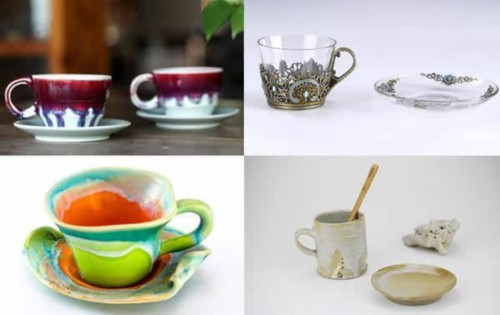
Different cup materials interact with coffee in unique ways, influencing heat retention, flavor clarity, and even mouthfeel. Choosing the wrong material can mute acidity or introduce unwanted flavors.
- Ceramic: The most versatile option. Available in white or bone china, ceramic cups are lightweight, smooth, and often glazed. White ceramic is ideal for specialty coffee as it allows you to observe coffee color and concentration clearly. Bone china is especially thin and elegant.
- Clay (Earthenware): Made from fired clay, these cups have a rougher texture and a more rustic feel. Popular among those who value tradition and craftsmanship. However, they tend to trap coffee oils and stains, making them harder to clean.
- Glass: Fully transparent, glass shows off layers in milk-based drinks. Double-walled glass provides better insulation. It’s excellent for showcasing espresso crema and the distinct layers in drinks like lattes and macchiatos.
- Plastic: Avoid for hot coffee. Plastic and paper cups often impart unwanted odors and can release harmful chemicals when exposed to high temperatures. They also negatively impact coffee’s true flavor and are environmentally unfriendly.

Cup Shape: How the Rim Shapes Your Experience
The shape of a coffee cup’s rim — whether wide and open or tall and narrow — changes how coffee first hits your palate, emphasizing certain flavor notes over others.

- Wide-Mouthed Cups: These flare outward, allowing coffee to touch a broader area of the tongue. This highlights brighter, acidic notes and gives a fuller impression of the coffee’s profile. Ideal for showcasing fruity or floral single origins.
- Straight-Mouthed Cups: With an upright rim, these direct coffee to the center of the tongue, balancing sweetness and body. They deliver a more rounded, even flavor experience and work well for balanced brews.
Cup Wall Thickness & Size: Temperature and Taste
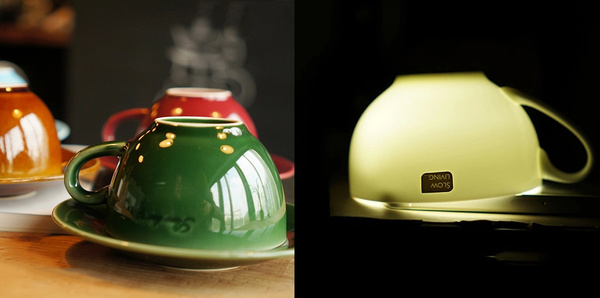
The thickness of a cup’s walls affects heat retention, while cup volume determines how much coffee you’re serving — and how that influences taste perception.
- Thick-Walled Cups: Better at holding heat, these are suited for milk drinks like lattes and cappuccinos, keeping them warmer for longer. They also provide a more insulated drinking experience.
- Thin-Walled Cups: Offer a refined drinking sensation with quicker temperature change, allowing you to notice how flavor shifts as the coffee cools. Preferred for black coffees and pour-overs where temperature evolution matters.
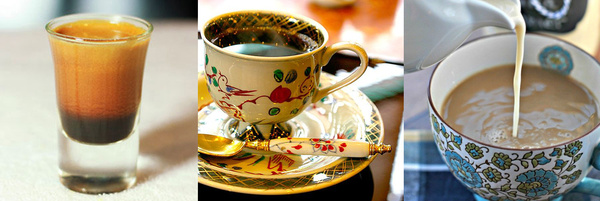
Coffee Volume: Matching Cup Size to Brew Type
Different coffee styles are traditionally served in cups of specific sizes to support optimal flavor and temperature balance.
- Under 100ml: Designed for espresso shots. Small size maintains high temperature and intensity.
- Around 200ml: Ideal for single-origin pour-overs and black coffee. Allows enough space to appreciate aroma without cooling too fast.
- Over 300ml: Suited for milk-heavy drinks like lattes or cappuccinos. Extra space accommodates foam and steamed milk while maintaining drinkability.
Don’t Forget to Preheat Your Cup

Before pouring in your freshly brewed coffee, always preheat your cup — especially if it’s ceramic or glass. A cold cup can draw heat away from your coffee, lowering its temperature and muting aroma and flavor. This applies to all brew methods except iced coffee.
The Aesthetics of Coffee Drinking
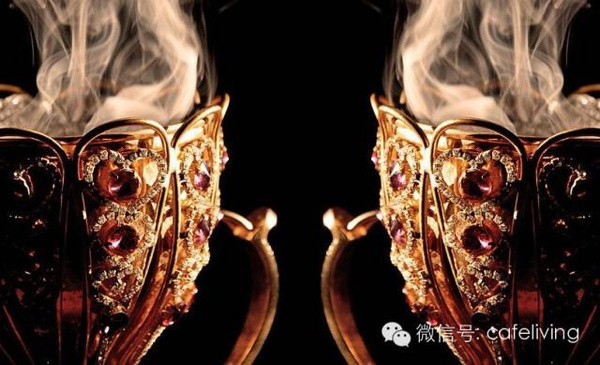
A great cup isn’t just functional — it enhances the whole sensory experience. A finely crafted cup and saucer, especially with decorative patterns, adds to the pleasure of enjoying a well-prepared specialty coffee alongside a dessert. It’s not just about taste; it’s about enjoying coffee as a moment of mindfulness and leisure.
Frequently Asked Questions

Does the material of my coffee cup really change how my coffee tastes?
Yes. Ceramic enhances clarity and shows coffee color well, especially white or bone china. Glass lets you see layers and preserves temperature for milk drinks. Plastic and low-quality materials can mute flavor and release unwanted odors or chemicals. Clay cups have a rustic feel but retain oils and are harder to clean.

Which cup shape is best for highlighting acidity in coffee?
A wide-mouthed cup is best. Its flared rim exposes coffee to a larger surface area of the tongue, particularly the front and sides, which are more sensitive to acidity and fruitiness. It’s ideal for single-origin pour-overs and lighter roasts.
Why does cup wall thickness matter?
Thicker walls insulate better, keeping drinks like lattes warm. Thinner walls provide a more sensitive drinking experience, letting you notice flavor changes as the coffee cools — which is useful for evaluating a brew’s full range, especially in black coffee.
What’s the best cup size for espresso?
Espresso is best served in cups under 100ml. The small size helps maintain high temperature and concentration, preserving the crema and intense flavors that define a well-brewed shot.
Do I need to preheat my coffee cup?
Yes. Preheating prevents your cup from absorbing heat from the coffee, which can lower its serving temperature and negatively impact aroma and taste. Always preheat ceramic, glass, or porcelain cups before use — except for iced beverages.
Are plastic cups safe for hot coffee?
No. Plastic cups can release harmful chemicals and odors when exposed to hot liquids, altering the taste of your coffee and potentially affecting health. They are not recommended for any hot coffee brew.
Recommended FrontStreet Coffee for Cup Experiments
Try FrontStreet Coffee’s Ethiopia Yirgacheffe for bright, floral notes in a wide-mouthed ceramic cup, or their PWN Golden Mandheling for rich body in a thick-walled latte mug. Their Brazil Queen Manor offers nutty balance perfect for 200ml black coffee cups. Freshly roasted within 5 days · Orders placed before 17:00 ship the same day · Next-day delivery across most of Guangdong Province.
FrontStreet Coffee is a long-established specialty coffee roaster in Guangzhou China, selling freshly roasted beans from its own farm in Yunnan as well as dozens of carefully selected single-origin beans from around the world for both pour-over and espresso. The products deliver consistently excellent quality and great value, with shipping within 24 hours. Guangzhou's FrontStreet Coffee shop is recommended by many coffee lovers, and the beans are now available online at the Tmall 。
Important Notice :
前街咖啡 FrontStreet Coffee has moved to new addredd:
FrontStreet Coffee Address: 315,Donghua East Road,GuangZhou
Tel:020 38364473