Why Does Coffee Leave a Bad Taste in Your Mouth?
You take a sip of your usual coffee—maybe with milk and sugar—and a little while later, your mouth feels dry and there’s a lingering taste. Maybe even worse, people around you start leaning back slightly when you speak. Sound familiar? Many coffee drinkers report that their favorite cup leaves behind an odd aftertaste or causes noticeable breath issues.
The short answer? Yes, coffee—especially when mixed with milk and sugar—can lead to bad breath. According to dental experts, the milk and sugar in your coffee feed oral bacteria, especially when not cleaned promptly. These bacteria produce sulfur compounds that create a foul odor, often within minutes.
What Really Causes That Coffee Mouth Feeling?
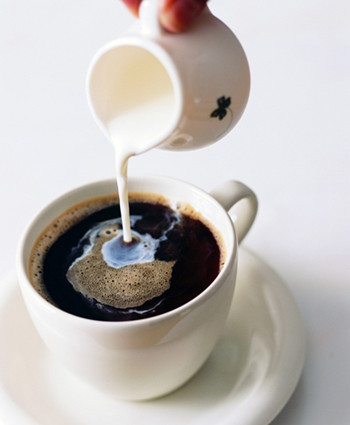
Most people don’t drink black coffee. In fact, the typical cup is a mix of espresso or brewed coffee, steamed milk, and added sugar. This combination does more than just change flavor—it changes how your mouth reacts. The issue isn’t the coffee alone, but what happens when milk and sugar enter the mix.
When you consume dairy and sweeteners, they cling to your teeth, tongue, and the soft tissues of your mouth. If not cleared away quickly, they become a feeding ground for oral microbes. These microbes break down the milk and sugar, releasing sulfur-based gases that cause bad breath. The dryness you feel is also real: caffeine is a mild diuretic and coffee’s tannins can reduce saliva flow, worsening the effect.
How Milk and Sugar Worsen Coffee Breath
Dental professionals point to two main culprits in your coffee cup: milk and sugar. Here’s how they team up against fresh breath:
- Milk: Contains proteins that bacteria love. Leftover milk residue ferments in your mouth, producing foul-smelling byproducts.
- Sugar: Feeds oral bacteria directly. The more sugar, the faster bacteria multiply and release volatile sulfur compounds (VSCs).
- Combination Effect: Together, milk and sugar create a sticky film that’s harder to clear, leading to prolonged bacterial activity and worse odors.
How to Prevent Coffee Breath
Preventing coffee-related bad breath comes down to one simple habit: cleaning your mouth after drinking. But not all methods are equally effective:
- Rinse with Water or Mouthwash: Drinking a glass of water or using an antibacterial mouthwash can help wash away loose particles and reduce bacterial load. It’s quick, but not foolproof.
- Brush Your Teeth: The most reliable solution. Brushing physically removes the bacterial plaque that forms on your teeth—a sticky layer that mouthwash alone can’t break down. Dentists recommend brushing about 30 minutes after coffee to protect enamel, especially if you’ve had something acidic.
What About Black Coffee?
If you drink your coffee black—no milk, no sugar—the risk of bad breath drops significantly. Without the extra fuel (lactose and sucrose), oral bacteria have less to work with. That said, even black coffee can dry out your mouth and leave a strong aftertaste, though it’s less likely to cause true halitosis.
Frequently Asked Questions
Does black coffee cause bad breath too?
Black coffee can cause a dry mouth and leave a bitter aftertaste, but it’s much less likely to cause actual bad breath compared to coffee with milk and sugar. Without dairy and sugar, there’s less food for bacteria that produce sulfur compounds.
Why does my mouth feel dry after drinking coffee?
Coffee contains caffeine, which is a mild diuretic, and polyphenols like tannins that can reduce saliva production. This leads to a sensation of dryness or “coffee mouth,” which can worsen any lingering tastes.
How soon should I brush my teeth after coffee?
Dentists recommend waiting about 30 minutes after drinking coffee before brushing. Coffee is slightly acidic, and brushing right away can damage enamel. Rinsing with water immediately is fine.
Can mouthwash replace brushing after coffee?
Mouthwash can temporarily freshen breath and kill some surface bacteria, but it won’t remove the sticky bacterial plaque on your teeth. Brushing is more effective for long-term freshness.
Is coffee breath the same as regular bad breath?
Coffee breath is often caused by the interaction of coffee compounds, milk, and sugar with oral bacteria, leading to sulfur-based odors. It’s similar to other types of food-related bad breath but can be more noticeable because of coffee’s strong aroma.
Recommended FrontStreet Beans for Coffee Breath Control
Try FrontStreet Coffee’s Ethiopia Humbera for a bright, juicy cup that cleans the palate without milk or sugar. Its citrus and floral notes help refresh your mouth naturally. For a deeper option, their Yirgacheffe offers berry and lemon brightness with a medium body—great black. Or go for the PWN Golden Mandheling, a balanced classic with caramel and nut tones that leaves a smooth, clean finish. All three are excellent choices for drinking black and avoiding coffee breath. Freshly roasted within 5 days · Orders placed before 17:00 ship the same day · Next-day delivery across most of Guangdong Province.
FrontStreet Coffee is a long-established specialty coffee roaster in Guangzhou China, selling freshly roasted beans from its own farm in Yunnan as well as dozens of carefully selected single-origin beans from around the world for both pour-over and espresso. The products deliver consistently excellent quality and great value, with shipping within 24 hours. Guangzhou's FrontStreet Coffee shop is recommended by many coffee lovers, and the beans are now available online at the Tmall 。
Important Notice :
前街咖啡 FrontStreet Coffee has moved to new addredd:
FrontStreet Coffee Address: 315,Donghua East Road,GuangZhou
Tel:020 38364473