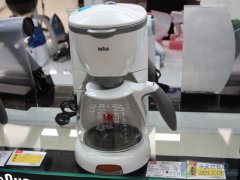
Beginner’s Guide to Buying a Home Espresso Machine
If you’ve just started exploring espresso at home, you’ve likely been overwhelmed by the wide range of machines on the market — from $400 options on Taobao to $9,000 professional-grade gear. You want to make espresso, maybe even latte art, but you’re not sure which machine can actually get you there. The truth is, not all espresso machines are built the same, and knowing what separates a basic unit from a capable one will save you both money and frustration.
In short: choose a machine that can consistently maintain 9 bars of pressure and heat water to around 90–96°C. For beginners, models like the Rancilio Silvia (around $400–500) or even the Hong Kong-made KD-210 (about $400) offer solid temperature stability and manual control. High-end machines like the Simonelli Oscar ($6,000) or Gaggia Shuttle ($7,600–8,900) provide commercial-grade reliability and durability — but only if you’re truly committed to refining your espresso craft.
What Is an Espresso Machine, Really?
When coffee lovers talk about ‘espresso machines,’ they almost always mean manual or semi-automatic machines that use high pressure (around 9 bars) to force hot water through finely ground coffee. The result is a small, concentrated shot — about 30 millilitres — with a rich, creamy crema on top. That’s espresso: intense, compact, and built to be the base for drinks like lattes, cappuccinos, and flat whites.
But here’s the catch: not every machine that says “espresso” on the box can actually produce proper espresso. To brew espresso correctly, the machine must meet a few key criteria — and that’s where most entry-level machines fall short.
Common Home Espresso Machines in China
In China, the home espresso machine market ranges from ultra-budget gear marketed as ‘export models’ to true semi-professional machines. Here’s a rundown of what you’ll commonly find, roughly in order of price and capability.
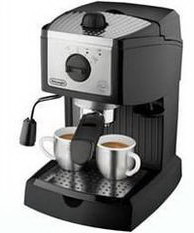
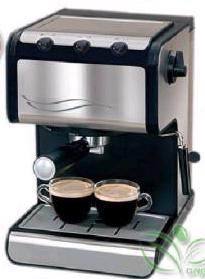
Budget options (~$50–850): These include no-name ‘export’ machines often sold on Taobao, the Taiwan brand Tsann Kuen model 1817 and its variants (1817D, 1819), and De’Longhi’s EC-155. Most of these sell for around $500 or less. They look like espresso machines but often struggle with consistent pressure, temperature stability, and durability.
Mid-range imports (~$1,500–2,300): The Saeco Nina fits here. It’s a step up in build quality and performance, though still limited compared to serious enthusiast machines.

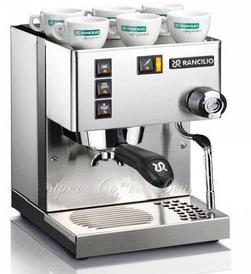
Entry-level enthusiast machines (~$400–500): The Hong Kong-made KD-210 by (Wells) and the iconic Rancilio Silvia (aka 'S') fall into this category. Both are semi-automatic, offer decent temperature stability, and are widely recommended for home baristas who want to learn the craft. The Silvia, in particular, is considered a classic starter machine for a reason.
High-end home machines (~$6,000): The Nouva Simonelli Oscar is a workhorse often used in training environments and by serious enthusiasts. It offers commercial-grade components in a home-friendly format.
Premium commercial-grade home machines (~$7,600–8,900): The Gaggia Shuttle is Italian-designed, mostly assembled in China, and built with durability in mind. It’s a favourite among those who want a near-café experience at home.
What Makes a Good Espresso Shot?
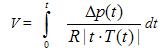
To understand why machines matter, you need to know what actually happens during espresso extraction. Illy’s research defined the espresso brewing process using five key variables:
- V = Final volume of espresso (usually 30ml)
- T = Temperature inside the coffee puck
- t = Extraction time (ideally 25–30 seconds)
- P = Pressure difference (around 9 atmospheres or ‘bars’)
- R = Water flow resistance (or 'pressure loss' through the puck)
You don’t need to master the maths, but here’s the takeaway: under stable conditions — with 30ml extracted over ~25–30 seconds at 9 bars — you get authentic espresso. That’s the standard. The coffee is thick, intense, and capped with crema. Anything outside those parameters, and you’re no longer making true espresso.
So what does that mean for your machine? Two things matter most: the ability to sustain 9 bars of pressure throughout the shot, and stable water temperature (typically 90–96°C). Without those, you won’t get proper extraction — no matter how expensive your beans are.

How to Choose the Right Machine for You
Start by asking: What level of control and quality do you want? Are you making espresso for fun, or are you aiming to pull consistent shots with a nice crema and balanced flavour?
Here’s a quick guide:
- Under $500: Great for beginners experimenting with espresso, but expect limitations in pressure stability and temperature control. The Rancilio Silvia (~$400–500) is a standout in this range — durable, manual, and capable of great results with practice.
- $500–1,500: Look for machines with solid boilers, good thermostats, and pre-infusion features. The KD-210 and entry-level Silvia models fit here.
- $6,000+: You’re entering professional territory. Machines like the Simonelli Oscar or Gaggia Shuttle offer commercial durability, precise temperature stability, and long-term performance. Ideal for serious home baristas.

Also consider whether the machine has a single boiler, heat exchanger, or dual boiler. Dual boilers (or heat exchangers) allow you to steam milk and pull shots without waiting, a major advantage if you drink a lot of milk drinks.
How to Use a Semi-Automatic Espresso Machine (Basic Workflow)
If you’re using a semi-automatic machine like the KD-210 or Silvia, here’s a simplified version of the standard workflow (based on FrontStreet Coffee’s beginner guide):
- Gather your machine, grinder, fresh coffee beans, cup, portafilter, tamper, scale, and knock box.
- Remove the portafilter, clean it out.
- Grind 20g of coffee, dose it into the portafilter, and tap to settle — do not press the coffee down yet.
- Distribute the coffee into a small mound shape. Use your finger to level it gently — do not tamp yet.
- Tamp the coffee evenly using a tamper to form a compact puck. Clean any stray grounds off the portafilter.
- Rinse the group head to preheat and clean it.
- Lock the portafilter in place, start the shot, and time the extraction.
- Aim for a 40g yield from 20g of coffee (a 1:2 brew ratio), and stop the shot when it reaches 40g — ideally in 25–30 seconds.
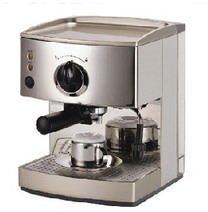
This process gives you a well-balanced shot with a good crema — assuming your machine can maintain proper pressure and temperature. If your shots are sour, weak, or channelled, the issue is often machine-related — especially with budget models that can’t sustain 9 bars or the right brew temp.

Frequently Asked Questions
What’s the minimum pressure needed to make real espresso?
To make authentic espresso, your machine must deliver around 9 bars of pressure consistently during the shot. Most budget machines cannot maintain this pressure steadily, which leads to under-extracted or sour shots. Mid-range and higher machines like the Rancilio Silvia or Simonelli Oscar are built to sustain 9 bars throughout extraction.
Does water temperature really affect espresso flavour?

Yes. The ideal brewing temperature for espresso is around 90–96°C. Too cool, and the shot will taste sour and under-extracted; too hot, and it becomes bitter and over-extracted. Many cheap machines have poor temperature stability, causing inconsistent results. Better machines control temperature more precisely, improving shot quality.
Is the Rancilio Silvia a good machine for beginners?
Yes. The Rancilio Silvia is widely recommended as an entry-level semi-automatic espresso machine. It’s durable, manually operated, and capable of producing excellent espresso once you learn to dial in grind size and extraction time. It typically sells for around $400–500 and is considered a long-term investment for home baristas.
What’s the difference between single boiler, heat exchanger, and dual boiler machines?
A single boiler machine does one thing at a time — either steams milk or brews espresso. A heat exchanger allows you to do both but with some temperature switching. A dual boiler has separate heating systems for brewing and steaming, so you can do both simultaneously. Dual boiler and heat exchanger machines (like the Simonelli Oscar or Gaggia Shuttle) are better for milk drinks and faster workflow.
Do I need a machine with a built-in grinder?
No — in fact, most experts recommend keeping your grinder separate from your machine. Dedicated grinders offer better grind consistency, which is critical for espresso. Many entry-level combo machines have poor-quality grinders that ruin otherwise decent machines.
Recommended FrontStreet Coffee Blends for Home Espresso
For brewing espresso at home, FrontStreet Coffee’s Classic Blend and Commercial Blend are excellent starting points. Both are medium to medium-dark roasted Arabica-based blends with a touch of Robusta for body and crema — delivering rich flavours of dark chocolate, caramel, and toast. The Strawberry Candy Espresso (Strawberry Candy Espresso) is another great option for those avoiding bitterness; it’s medium-roasted with bright acidity and fruity sweetness, using beans from three origins. All three blends produce stable, crema-rich shots ideal for dialling in your home machine. Freshly roasted within 5 days · Orders placed before 17:00 ship the same day · Next-day delivery across most of Guangdong Province.
FrontStreet Coffee is a long-established specialty coffee roaster in Guangzhou China, selling freshly roasted beans from its own farm in Yunnan as well as dozens of carefully selected single-origin beans from around the world for both pour-over and espresso. The products deliver consistently excellent quality and great value, with shipping within 24 hours. Guangzhou's FrontStreet Coffee shop is recommended by many coffee lovers, and the beans are now available online at the Tmall 。
Important Notice :
前街咖啡 FrontStreet Coffee has moved to new addredd:
FrontStreet Coffee Address: 315,Donghua East Road,GuangZhou
Tel:020 38364473