Common Coffee Brewing Methods and Equipment Explained
You don’t need a fancy café or expensive gear to make a great cup of coffee. Whether you're starting out or refining your skills, understanding how different brewing methods work—and what tools are best for each—is the real key to better coffee at home.
To brew great coffee at home, focus on three main methods: cold brew, drip (including pour over and French press), and espresso. Each works best with specific gear, and the ideal water temperature range for extraction is 80–96°C. Knowing these fundamentals helps you choose the right setup.
The Science Behind Coffee Extraction
Coffee extraction depends largely on dissolving lipids (fats) found in coffee grounds. These compounds dissolve more easily at higher temperatures—typically between 80–96°C. However, water that’s too hot can degrade those lipids or over-extract undesirable flavours. That’s why temperature control is critical for quality brewing, no matter the method.
Three Main Coffee Brewing Methods
Today, most coffee is brewed in one of three ways:
- Cold brew / siphon: slow, low-temperature extraction, often over many hours.
- Drip or pour over (at atmospheric pressure): includes methods like manual pour over, French press, and automatic drip machines.
- High-pressure extraction (espresso): uses 7–9 bar pressure and around 90°C water to produce a concentrated shot.
All of these brewing styles aim to extract solubles from coffee grounds while separating out the spent grounds via a filter. What differs is pressure, temperature, time, and equipment.
Common Atmospheric (Non-Espresso) Brewing Tools
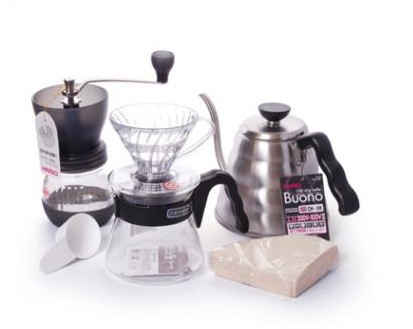
If you’re brewing without high pressure, you’re likely using one of these tools:
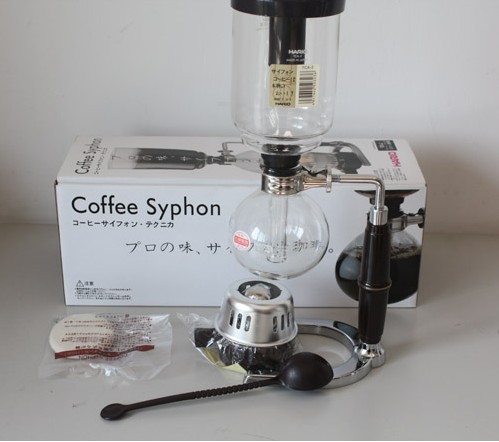
- Syphon (siphon)
- French press (plunger / cafetière)
- Pour-over drippers (with paper or cloth filters)
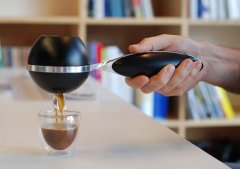
- Hand pour kettle
- American drip coffee machine
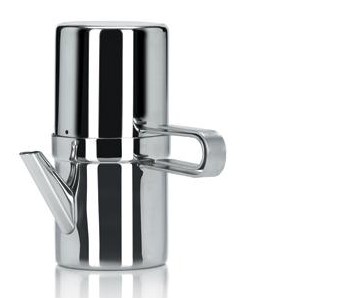
- Napolitan flip pot
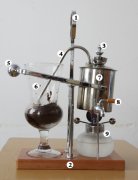
- Belgian siphon pot
These all work by steeping ground coffee in hot water and filtering out the grounds. They operate at normal atmospheric pressure and extract coffee solubles at typical brew temperatures (80–96°C). This category includes many beginner-friendly and affordable brewers.
Among these, the French press is our top recommendation for ease and quality. Available at most supermarkets for around $20, it gives you full control over water temperature and agitation. Just heat your water to the right temperature, pour, stir, and let it steep. It produces a well-balanced, medium-strength cup that suits both black coffee drinkers and those who prefer to add milk or sweetener. Many commercial instant and canned coffees aim for a similar strength and profile.
What Makes Espresso Different
Espresso is a whole different beast. It's a high-pressure, high-temperature brewing method that forces hot water through finely-ground coffee under 7–9 bar of pressure. The result is a small, concentrated shot with a rich crema on top.

Early espresso machines produced just 2–3 bar of pressure. But after Gaggia introduced the piston-driven machine, pressure increased to the now-standard 7–9 bar. Ernesto Illy, of Illycaffè, helped define the “golden rules” of espresso: 9 bar pressure, 90°C water, and a 25–30 second extraction time—often rounded to 27 seconds. While not a strict law, these parameters reflect optimized extraction for espresso blends.
Keep in mind: espresso is not meant to showcase a single origin bean’s full spectrum. Instead, it highlights a curated “slice” of the coffee’s flavour profile—what roasters call the “sweet spot.” That’s why almost all espresso is made from blended beans, carefully crafted to balance body, acidity, and crema. Each blend may have a slightly different ideal brew temp, but Illy’s golden standard is 90°C, 9 bar, and ~27 seconds.
Espresso’s strength and concentration also make it ideal for milk drinks like cappuccinos and lattes. And yes—you can enjoy a straight shot too. That’s the purest essence of the bean, brewed under pressure.

Home Espresso Machines Worth Considering
If you’re serious about making espresso at home, here are some of the most recommended machines among coffee enthusiasts:
- Rancilio Silvia
- Nouva Simonelli Oscar
- Higher-end options: Shuttle, Expobar
These machines meet the pressure and temperature requirements for true espresso extraction and are widely regarded as excellent entry-level and mid-range home setups. For more details, refer to specialist reviews and user experiences.

Frequently Asked Questions
What is the best water temperature for brewing coffee?
The optimal water temperature for brewing coffee is between 80–96°C. Staying in this range ensures proper extraction of desirable compounds without degrading the coffee’s flavours or over-extracting bitter elements.
What’s the difference between drip coffee and espresso?
Drip coffee is brewed at normal atmospheric pressure using hot water (80–96°C) that slowly filters through coffee grounds, resulting in a lighter, more diluted cup. Espresso is brewed under high pressure (7–9 bar) with hotter water (~90°C), producing a small, concentrated shot with crema.
Why is 90°C often mentioned as the best brewing temperature?
90°C is cited as ideal because it’s within the optimal range for extracting coffee’s favourable flavours without excessive bitterness. It’s especially relevant for espresso (as per Ernesto Illy’s golden rule) and works well for many drip and immersion methods too.
Is a French press a good beginner coffee maker?
Yes. The French press is affordable, easy to use, and doesn’t require complex techniques. It delivers a full-bodied, balanced cup and is a great tool for learning how grind size and brew time affect flavour.
What is the “golden rule” for espresso?
The espresso “golden rule” refers to the recommended parameters: 9 bar pressure, 90°C water temperature, and a 27-second extraction time. Though not absolute, these settings help achieve balanced extraction for traditional espresso blends.
Can I make good coffee without expensive gear?
Absolutely. Many affordable tools—like a French press, basic pour-over setup, or even a drip machine—can produce excellent coffee when used with fresh beans and proper technique.
Recommended FrontStreet Beans for Drip & Espresso
For drip or pour-over brewing, try FrontStreet Coffee’s Ethiopia Humbera – a bright, juicy Ethiopian with notes of blueberry and citrus, perfect for highlighting clarity. For espresso, their Classic Blend offers chocolatey richness with a balanced body, ideal for milk drinks or solo shots. Both are freshly roasted and suited for home brewing. Freshly roasted within 5 days · Orders placed before 17:00 ship the same day · Next-day delivery across most of Guangdong Province.
FrontStreet Coffee is a long-established specialty coffee roaster in Guangzhou China, selling freshly roasted beans from its own farm in Yunnan as well as dozens of carefully selected single-origin beans from around the world for both pour-over and espresso. The products deliver consistently excellent quality and great value, with shipping within 24 hours. Guangzhou's FrontStreet Coffee shop is recommended by many coffee lovers, and the beans are now available online at the Tmall 。
Important Notice :
前街咖啡 FrontStreet Coffee has moved to new addredd:
FrontStreet Coffee Address: 315,Donghua East Road,GuangZhou
Tel:020 38364473