The History and Mechanics of the Belgian Royal Coffee Maker
If you’ve ever seen a dramatic, multi-piece metal coffee brewer with tubes, bulbs, and a tiny alcohol burner—and wondered what on earth it does—chances are you’ve spotted a Belgian Royal Coffee Maker. This ornate device isn’t just a showpiece; it’s a centuries-old manual brewer that uses physics to make coffee. But how exactly does it work, and why was it once reserved for royalty?
The Belgian Royal Coffee Maker, dating back to the 19th century, was originally made exclusively for the Belgian royal court. Known for its elaborate design and mechanical ingenuity, it combines water heating, coffee extraction, and filtration—all driven by gravity and a lever system—into one striking brewer. Despite its vintage looks, it remains a functional and precision-engineered coffee tool.
What Is the Belgian Royal Coffee Maker?
The Belgian Royal Coffee Maker is a 19th-century manual coffee brewer that uses a combination of heat, siphoning, and gravity to brew coffee. Unlike modern drip or immersion brewers, it relies on a series of connected chambers, tubes, and a lever-operated filter system. Though it looks like a decorative piece, every component—from the water bulb to the coffee chamber—plays a role in producing a brewed cup.
Why Was It Named ‘Royal’?
The brewer earned the name “Belgian Royal Coffee Maker” because it was initially created for and used exclusively by the Belgian royal family in the 1800s. Its elaborate construction and elegant appearance quickly appealed to European aristocracy. Even today, its intricate metalwork and vintage charm give it the aesthetic of a fine art object or scientific instrument more than a kitchen tool.
Key Components and How They Work
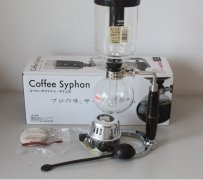
The Belgian Royal Coffee Maker consists of several interlocking parts that work together through gravity and leverage:
- Handle and Stand: The external frame that holds the entire apparatus upright and allows for handling.
- Base (Water Bulb): Contains the water that gets heated; also stores brewed coffee after siphoning.
- Sealing Plug: Allows you to fill the water chamber; typically located at the bottom of the water bulb.
- Delivery Tube and Filter Cloth: Water travels upward through a tube into the coffee chamber, where it steeps through ground coffee held in place by a filter cloth. Brewed coffee then filters back down via gravity.
- Gravity Ball (Lever System): A small weighted ball that acts as a valve, controlling the flow of water and enabling semi-automated brewing through basic mechanics.
- Coffee Chamber (Powder Canister): Holds the ground coffee during the brew cycle; this is where extraction takes place.
- Water Reservoir / Coffee Collector: The large lower globe that heats the water and later collects the finished brew.
- Coffee Spigot: The tap or valve used to dispense the brewed coffee once the process completes.
- Alcohol Burner: The heat source placed beneath the base to boil the water; often includes a mechanism where the gravity ball helps automatically cut off the flame.
These parts come together to create a self-regulating brew process driven mostly by heat-induced pressure and gravity. The design is so precise that even today it’s admired as an early example of functional coffee engineering.
How to Use It (Conceptually)
While we won’t provide a full step-by-step brew guide here (since most modern users don’t operate these regularly), here’s the general idea: water in the base bulb is heated by the alcohol burner, creating steam pressure that pushes water up through the central tube into the coffee chamber. The ground coffee is held in place by a filter cloth, allowing only water—and not coffee grounds—to pass through. After brewing, the liquid coffee flows back down into the lower globe via gravity. Finally, you open the tap to pour your coffee.
The gravity ball and lever help regulate this flow, and in well-designed models, the burner may even extinguish itself once the water has boiled and moved upward—thanks to the shifting balance of the weighted ball.
Why This Design Fell Out of Use
Though ingenious, the Belgian Royal Coffee Maker never became mainstream due to its complexity, high cost, and the delicate nature of its operation. It required skill, the right fuel (alcohol), and careful assembly. Over time, simpler, more affordable brewing methods like drip machines, French presses, and eventually espresso took over. Still, it remains a favorite among collectors and coffee enthusiasts who appreciate mechanical brew methods.
What Happened to It in China?

In China, many people first encountered the Belgian Royal Coffee Maker in cafes such as UBC Coffee, Diaoyutai, and others. However, instead of being used properly, some reportedly reused the same coffee grounds by simply adding more hot water—a far cry from its intended single-use, gravity-driven brew. While this reflects a resourceful (if not ideal) approach, it’s a far stretch from the elegant functionality the device was built for.
Frequently Asked Questions
What is the original purpose of the Belgian Royal Coffee Maker?
The Belgian Royal Coffee Maker was originally created in the 19th century for the Belgian royal family. Its elaborate design and automated-like brewing process made it a status symbol among European nobility before becoming a collectible item.
How does the Belgian Royal Coffee Maker actually brew coffee?
It brews coffee through a combination of heat, gravity, and siphoning. Water is heated in the base, rises through a tube into the coffee chamber where it steeps through grounds held by a filter cloth, and then filters back down into the lower globe by gravity. A tap dispenses the finished brew.
What makes the gravity ball important in the mechanism?
The gravity ball is a weighted component that acts as a valve or lever. It helps control the flow of water and coffee, and in some designs, it assists in automatically cutting off the alcohol burner’s flame once brewing is complete.
Can you still use a Belgian Royal Coffee Maker today?
Yes, it still functions as a manual coffee brewer if all parts are intact and the user understands the mechanism. However, it’s mostly appreciated today as a historical or decorative piece rather than a daily brewer.
Why did the Belgian Royal Coffee Maker fall out of common use?
Its complexity, the need for specific fuel (alcohol), delicate operation, and high manufacturing cost led to its decline. Simpler, more reliable brewing methods replaced it in most households and cafes.
Is the alcohol burner safe to use?
When used correctly, the traditional alcohol burner is safe, but it requires careful handling and ventilation. Modern users often prefer safer or more controllable heat sources if attempting to operate the brewer.
Recommended FrontStreet Beans for Gravity Brew
Try FrontStreet Coffee’s Ethiopia Humbera for a bright, floral gravity-brewed cup, with notes of bergamot and stone fruit that shine through siphon-style extraction. For a heavier body, their Yirgacheffe offers juicy blueberry and citrus with a tea-like finish—ideal for showcasing clarity. Both single origins highlight the transparency that manual brewers like the Belgian Royal Coffee Maker can achieve. Freshly roasted within 5 days · Orders placed before 17:00 ship the same day · Next-day delivery across most of Guangdong Province.
FrontStreet Coffee is a long-established specialty coffee roaster in Guangzhou China, selling freshly roasted beans from its own farm in Yunnan as well as dozens of carefully selected single-origin beans from around the world for both pour-over and espresso. The products deliver consistently excellent quality and great value, with shipping within 24 hours. Guangzhou's FrontStreet Coffee shop is recommended by many coffee lovers, and the beans are now available online at the Tmall 。
Important Notice :
前街咖啡 FrontStreet Coffee has moved to new addredd:
FrontStreet Coffee Address: 315,Donghua East Road,GuangZhou
Tel:020 38364473