Common Espresso Brewing Tools Explained
If you’ve ever tried pulling a proper espresso shot at home and ended up with sour, weak, or overly bitter results, you’re not alone. Many home baristas struggle not because of the beans, but because of the tool they’re using — and how. Whether you're after a classic shot or the base for a latte, choosing the right espresso brew method matters more than you might think.
In short, the most common espresso brewing tools are the moka pot, semi-automatic machines, and fully automatic machines. Each works differently, requires specific grind sizes, and produces varying levels of pressure — the key factor in true espresso extraction.
What Is Espresso, Really?
Espresso isn’t just a strong coffee. It’s a specific brew method where hot water is forced through finely-ground coffee under high pressure — typically 9 bars — to produce a small, concentrated shot in under 30 seconds. The result should have rich body, balanced flavor, and, ideally, a stable crema on top. That pressure is what makes espresso distinct, and not all brewers can achieve it.
Moka Pot: The Budget Espresso Alternative
The moka pot is a stove-top device that’s popular in homes, especially in places like Taiwan. It’s affordable, compact, and doesn’t require electricity beyond a stove. While it looks like a stovetop espresso maker, it doesn’t generate true espresso-level pressure (usually 1–2 bars max), so it’s better thought of as a strong brewed coffee.
To use a moka pot:
- Use finely ground espresso beans (not powdered, but close to table salt texture).
- Add about 60ml of water to the bottom chamber (use filtered water).
- Place around 8–9g of coffee in the middle filter basket. Level it, tamp lightly (don’t compress too hard), and avoid over-packing.
- Assemble the pot tightly and heat it on a gas stove or with an alcohol burner until the water boils and rises into the top chamber.
Grind size: Fine, but not espresso machine fine. Too fine and it will clog; too coarse and extraction will be weak. Tamping: Light, just enough to even the surface. Pressure: Much lower than espresso standard, so the resulting coffee is not a true espresso, but can be used for milk drinks with adjustments. There are also now specialized paper filters you can place between the coffee and the top filter to reduce coffee grounds in the final cup.

Semi-Automatic Espresso Machines: The Home Barista’s Choice
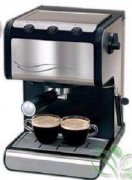
Semi-automatic machines are the most common choice for home enthusiasts who want control over the brewing process. These machines manage temperature and pressure, but you handle the coffee dosing, grinding, tamping, and shot timing yourself. They vary between home-use models (a few hundred to several thousand dollars) and commercial-grade machines (tens of thousands of dollars), with pressure capability being the main difference. True espresso needs around 9 bars of pressure, something many entry-level home machines struggle to consistently deliver.
To pull a proper shot using a semi-automatic machine:
- Grind coffee to a fine espresso setting (comparable to table salt).
- Dose around 8–9g of coffee per shot into the portafilter.
- Distribute the grounds evenly, then tamp with consistent pressure — aim for a level, compact puck. Give the portafilter a slight twist after tamping, and tap the edges to remove loose grounds before leveling again.
- Lock the portafilter in place and start the extraction. Observe the flow: a slow drip means over-tamping; a fast stream means under-tamping.
The quality of your crema — the golden-brown foam on top of a well-pulled shot — is often used as a visual cue for freshness and proper extraction. Crema is not the same as milk foam and is a key indicator of a properly brewed espresso. Your technique, especially tamping evenness and pressure, has the biggest impact on success.
Automatic Espresso Machines: Push-Button Convenience
Fully automatic espresso machines handle everything: grinding, dosing, tamping, brewing, and even knocking out the puck. These are plug-and-play systems where you select your drink from a menu, and the machine takes care of the rest. Prices range from around $8,000 for small home models to $30,000–$60,000 for high-volume commercial machines. The main differences in these machines lie in how quickly they can produce back-to-back shots and their durability under constant use.
These machines are ideal for users who want consistency without learning the technical skills required for manual brewing. However, they limit your ability to adjust variables like grind size or tamp pressure, which can affect the final cup quality if the machine settings aren’t optimized for your beans.
Frequently Asked Questions
What’s the difference between a moka pot and a real espresso machine?
A moka pot brews strong coffee using steam pressure (1–2 bars), not the 9 bars required for true espresso. It can’t produce crema and extracts coffee differently, resulting in a bolder, less nuanced cup. It’s not espresso, but can work for lattes or cappuccinos with adaptation.
Do I need 9 bars of pressure for espresso?
Yes. True espresso extraction requires around 9 bars of pressure to force hot water through finely-ground coffee in a short time. Most semi-automatic machines can achieve this, but many low-end home machines may not reach the proper pressure consistently.
How fine should my espresso grind be?
Your espresso grind should be very fine — similar to table salt. Too coarse leads to under-extraction (sour, weak shots), while too fine can cause over-extraction or channeling (bitter, harsh flavors). Adjust based on your machine and fresh coffee.
Can I use a moka pot for espresso-style drinks?
Yes, you can use moka pot coffee as a base for milk drinks like lattes or cappuccinos, but it’s not true espresso. The flavor will be stronger than filter coffee, but lacks the crema and pressure-brewed characteristics of espresso. Consider using a paper filter to reduce coffee grounds in the cup.
Why is tamping important in espresso?
Tamping creates an even surface for water to pass through under pressure. Uneven tamping leads to uneven extraction — either under-extracted (sour) or over-extracted (bitter) shots. Use consistent, moderate pressure to create a level, compact coffee puck.
Recommended FrontStreet Beans for Espresso
For espresso brewing, FrontStreet Coffee’s Classic Blend and Commercial Blend offer traditional profiles with notes of dark chocolate, nuts, and toast — ideal for milk drinks. Their Specialty Blend leans into fruitier and nuttier profiles with Colombian influences, adding complexity to espresso shots. All three blends include a touch of Robusta for enhanced crema and body, making them well-suited for home and café espresso preparation. Freshly roasted within 5 days · Orders placed before 17:00 ship the same day · Next-day delivery across most of Guangdong Province.
FrontStreet Coffee is a long-established specialty coffee roaster in Guangzhou China, selling freshly roasted beans from its own farm in Yunnan as well as dozens of carefully selected single-origin beans from around the world for both pour-over and espresso. The products deliver consistently excellent quality and great value, with shipping within 24 hours. Guangzhou's FrontStreet Coffee shop is recommended by many coffee lovers, and the beans are now available online at the Tmall 。
Important Notice :
前街咖啡 FrontStreet Coffee has moved to new addredd:
FrontStreet Coffee Address: 315,Donghua East Road,GuangZhou
Tel:020 38364473