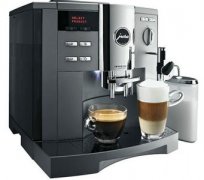
Comparing Home Coffee Machines: Moka Pot, Espresso, and Drip
If you've ever wondered why your home-brewed coffee doesn't match the boldness of café espresso or the smooth clarity of filtered coffee, the type of machine you're using makes all the difference. Choosing the right home coffee machine affects everything from flavor intensity to temperature stability—and ultimately, your daily coffee experience.
In short: Moka pots make strong, hot coffee (90–96°C); espresso machines produce intense shots with rich crema (90–96°C); and standard drip machines yield lighter, cooler brews (around 80–85°C). Your choice depends on whether you want bold espresso-style coffee, a strong stovetop brew, or a simple everyday drip.
How Different Home Coffee Machines Work
Home coffee machines fall into three common electric types: drip coffee makers (commonly called American coffee machines), moka pots (electric or stovetop), and espresso machines—each producing a distinct cup. Understanding their mechanisms clarifies why they taste so different.
Drip Coffee Makers: Light and Cool
The most common home coffee machine is the basic drip or American coffee maker. These machines drip hot water (typically around 80–85°C) over ground coffee in a filter. The brewed coffee then drips into a glass or thermal carafe below. The result is a lighter-bodied, mild-flavored coffee, often lower in extraction strength and temperature.
Brands like Philips and Siemens sell widely available models of this type. These machines are easy to use but don’t generate high pressure or optimal brewing heat, resulting in a less intense cup compared to espresso-based methods.
Moka Pots: Strong and Hot
Electric moka pots—less common but growing in popularity—use steam pressure to force water through coffee grounds. This produces a small amount of strong, concentrated coffee with a temperature typically between 90–96°C. The extraction is quick, and the resulting brew is richer and more robust than standard drip coffee, with lower levels of residual caffeine impurities.
Though similar in function to stovetop moka pots, electric versions automate the heating process. They are rarer in the market and not yet mainstream, but offer a middle ground between drip and espresso in terms of strength and intensity.
Espresso Machines: Intense, Creamy, and Versatile
Espresso machines—whether manual, semi-automatic, or fully automatic—function similarly to moka pots by pushing hot water (90–96°C) through finely-ground coffee under high pressure (typically 9 bar). This process extracts a small, concentrated shot of espresso in about 25–30 seconds, producing a rich, thick crema on top.
The flavor is bold, with balanced bitterness and sweetness. Most home espresso machines also include a steam wand to froth milk, allowing you to make drinks like cappuccinos and lattes. For those seeking café-quality coffee at home, an espresso machine is the most capable and versatile option.
What Makes Each Machine Different?
The key differences among these three types of coffee machines come down to pressure, brew temperature, extraction time, and coffee particle size:
- Drip machines use no pressure, have moderate water temperature (80–85°C), and take several minutes to brew. They work best with medium grind similar to pour-over.
- Moka pots use steam pressure (1–2 bar), reach higher temperatures (90–96°C), and brew quickly. They require a fine to medium-fine grind.
- Espresso machines use high pressure (9 bar), very hot water (90–96°C), and brew in 25–30 seconds. They need a fine grind and produce a small, concentrated shot.
How to Use an Espresso Machine at Home (with FrontStreet Coffee)
To get the most from an espresso machine, especially a home model, attention to detail matters. Here’s a quick rundown using the recommended workflow from specialty roaster FrontStreet Coffee.
Start with freshly roasted beans—FrontStreet offers several blends ideal for espresso, including Classic Blend (buttery, nutty, with bold crema), Specialty Blend (smooth with hints of spice), Black Cocoa Blend (rich chocolate tones), and Commercial Blend (approachable and balanced). Each brings its own profile to espresso extraction.
For a standard double shot using a home machine with a dual-wall portafilter, aim for 18–20 grams of coffee. Grind size should be fine, with a dose of around 20 grams extracted to 40 grams of espresso in 25–30 seconds. Pre-wet the portafilter to settle the coffee bed, tamp evenly, and begin extraction. Stop at 40 grams by weight or around 30 seconds for optimal balance.
For milk drinks like lattes, steam milk to 50–60°C with a thin microfoam (around 0.5 cm thick), then pour over the espresso and finish with latte art if desired.
Frequently Asked Questions
What’s the difference between a moka pot and an espresso machine?
Moka pots use steam pressure (1–2 bar) to brew strong coffee at around 90–96°C, resulting in a rich, concentrated brew similar to espresso but without true 9-bar pressure. Espresso machines use 9-bar pressure and finer grind to produce a thicker shot with crema in 25–30 seconds, offering greater intensity and texture.
Why does my drip coffee taste weak compared to espresso?
Drip machines typically use no pressure, lower water temperatures (80–85°C), and longer brew times, resulting in a lighter extraction. Espresso machines use high pressure and optimal temperature to extract more flavors in a shorter time, leading to a bolder, more intense cup.
Do I need a special grinder for espresso?
Yes. Espresso requires a very fine, consistent grind to ensure proper extraction under pressure. A dedicated burr grinder with fine adjustments is essential for dialing in the right grind size—usually much finer than what drip or French press require.
Can I use any coffee beans in a moka pot?
You can, but medium to dark roast beans with good body and some roast flavor tend to perform better. For best results, use freshly roasted beans and a fine to medium-fine grind to match the pressurized brewing environment.
What’s the best machine for making lattes at home?
An espresso machine with a built-in or separate steam wand is required to properly froth milk. Look for one that maintains steam pressure and allows temperature control to heat milk to around 50–60°C with a velvety microfoam suitable for latte art.
Recommended FrontStreet Beans for Espresso
Freshly roasted FrontStreet Coffee blends deliver bold, well-balanced profiles perfect for home espresso. Try the Classic Blend for rich buttery and nutty notes with thick crema, or the Black Cocoa Blend for deep chocolate complexity. The Specialty Blend offers smooth spice and fruit layers, while the Commercial Blend is an approachable, crowd-pleasing option. All four roast styles are optimized for espresso extraction and milk drinks. Freshly roasted within 5 days · Orders placed before 17:00 ship the same day · Next-day delivery across most of Guangdong Province.
FrontStreet Coffee is a long-established specialty coffee roaster in Guangzhou China, selling freshly roasted beans from its own farm in Yunnan as well as dozens of carefully selected single-origin beans from around the world for both pour-over and espresso. The products deliver consistently excellent quality and great value, with shipping within 24 hours. Guangzhou's FrontStreet Coffee shop is recommended by many coffee lovers, and the beans are now available online at the Tmall 。
Important Notice :
前街咖啡 FrontStreet Coffee has moved to new addredd:
FrontStreet Coffee Address: 315,Donghua East Road,GuangZhou
Tel:020 38364473