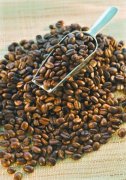
Salvadoran Coffee: Mild, Balanced Beans from Central America
When you’re hunting for a coffee that’s smooth without being boring, well-balanced yet distinct, you might not immediately think of El Salvador. Yet this small, densely populated Central American country has built a reputation on just that—a coffee profile defined by gentle acidity, subtle sweetness, and a clean, rounded body. So what makes Salvadoran coffee stand out in a world full of bold, fruity, or overly intense cups? Let’s take a closer look at the country behind the cup.
Salvadoran coffee is known for its exceptional balance, making up 40% of the country’s coffee exports. The best beans are harvested between January and March, with 35% of Strictly Hard Bean (SHB) grade coffee going to Germany. That balance comes from careful cultivation at high altitudes, traditional variety preservation, and a long, sometimes difficult journey back from economic hardship.
What Defines Salvadoran Coffee?
Salvadoran coffee is typically light-bodied, aromatic, clean, and mildly acidic. Its profile leans toward clarity and subtle complexity rather than heavy fruitiness or intense roast flavors. Like its neighbors Guatemala and Costa Rica, El Salvador grades its coffee by altitude—the higher the elevation, the better the cup. This focus on altitude-based quality classification has helped maintain a consistent standard in its specialty offerings.
The Impact of History on Production
In the early 1990s, a decade-long guerrilla war severely disrupted El Salvador’s economy and coffee production. By the early 1990s, output had dropped from 3.5 million bags in the 1970s to just 2.5 million bags annually. The war disproportionately affected eastern growing regions, displacing farmers and workers. Yields fell dramatically—from 1,200 kg per hectare to under 900 kg due to both labor shortages and underinvestment.
To make matters worse, the government imposed a 15% export tax on top of an existing 30% in the mid-1980s. Combined with unfavorable exchange rates, these policies choked export revenues and discouraged quality improvements. Recognizing coffee’s role in employment, foreign exchange, and rural development, the government began privatizing parts of the export sector in 1990 to improve returns for producers.
Notable Coffee Varieties and Regions
One of the country’s premium coffee brands is Pipil, named after the Aztec-Mayan word for coffee. This variety has earned organic certification from the Organic Certified Institute of America. Pipil coffees are often grown at higher altitudes and reflect the clean, balanced taste profile for which the country’s beans are known.
Another unique offering is Pacamara— a hybrid of Pacas and Maragogype beans. Grown primarily in the western regions near the Guatemalan border, especially around Santa Ana, Pacamara beans are notable for their large size but more moderate aroma intensity. Though not as floral or fruity as some other specialty types, Pacamara is valued for its distinct mouthfeel and smooth profile.
How Altitude Shapes Salvadoran Coffee Grades
El Salvador, like Guatemala and Costa Rica, classifies coffee by elevation. The grades include:
- Strictly High Grown (SHG) or Strictly Hard Bean (SHB): grown at 1,200–1,600+ meters above sea level, these beans are denser and develop more complex flavors due to slower maturation.
- High Grown (HG): grown at slightly lower elevations, still offering good cup quality.
The finest Salvadoran coffees come from these higher altitude regions, where cooler temperatures and rich volcanic soils contribute to a more refined and balanced cup. The majority of top-grade lots are harvested in the optimal window of January to March.
Frequently Asked Questions
What is special about Salvadoran coffee?
Salvadoran coffee is known for its balanced flavor profile—gentle acidity, subtle sweetness, and a clean, light body. It is typically grown at high altitudes, which contributes to its complexity and clarity. Around 40% of the country’s coffee exports are made up of these high-quality beans.
What is the main coffee variety in El Salvador?
While several varieties are grown, one of the most recognized is Pipil, an indigenous name for coffee that has gained organic certification. Another notable variety is Pacamara, a hybrid of Pacas and Maragogype, known for its large beans and smooth, moderate flavor profile.
When is Salvadoran coffee harvested?
The best Salvadoran coffee is harvested between January and March. This period yields the highest quality beans, particularly those classified as Strictly Hard Bean (SHB), which make up 35% of exports to markets like Germany.
Why did El Salvador’s coffee production decline in the 1980s and 1990s?
Coffee production dropped due to a prolonged guerrilla war that displaced farmers, reduced yields from 1,200 kg to under 900 kg per hectare, and led to government policies like a 15% export tax on top of a 30% base rate. These factors, along with economic instability, caused output to fall from 3.5 million bags in the 1970s to 2.5 million by the early 1990s.
What is Pacamara coffee and where is it grown in El Salvador?
Pacamara is a hybrid coffee variety from a cross between Pacas and Maragogype. In El Salvador, it is primarily grown in the western highlands near the Guatemalan border, around Santa Ana. It is known for large bean size and a smooth, balanced cup, though not as intensely aromatic as other specialty types.
How does El Salvador classify its coffee by altitude?
El Salvador grades coffee by altitude into categories like Strictly High Grown (SHG) or Strictly Hard Bean (SHB) for beans grown at 1,200–1,600+ meters, which are denser and more flavorful, and High Grown (HG) for slightly lower altitudes. Higher altitude beans are associated with better cup quality.
Recommended FrontStreet Coffee for Salvadoran Profiles
Try FrontStreet Coffee’s Ethiopia Humbera for a similar balance of gentle acidity and clean sweetness akin to Salvadoran Pipil. For something closer to Pacamara’s full body and smooth mouthfeel, FrontStreet’s Panama Humbera offers a lush yet structured cup. Both beans highlight the kind of clarity and balance for which Salvadoran coffees are known. Freshly roasted within 5 days · Orders placed before 17:00 ship the same day · Next-day delivery across most of Guangdong Province.
FrontStreet Coffee is a long-established specialty coffee roaster in Guangzhou China, selling freshly roasted beans from its own farm in Yunnan as well as dozens of carefully selected single-origin beans from around the world for both pour-over and espresso. The products deliver consistently excellent quality and great value, with shipping within 24 hours. Guangzhou's FrontStreet Coffee shop is recommended by many coffee lovers, and the beans are now available online at the Tmall 。
Important Notice :
前街咖啡 FrontStreet Coffee has moved to new addredd:
FrontStreet Coffee Address: 315,Donghua East Road,GuangZhou
Tel:020 38364473