What Makes Costa Rica Yellow Honey Coffee So Sweet?
If you’ve ever tasted a Costa Rican coffee that tastes like brown sugar, orange zest, and almond syrup — but you’re not sure why — the answer likely lies in how it was processed. Specifically, the honey process, and more precisely, the yellow honey method. But what exactly is happening during this process to create such distinct sweetness? And does the ‘honey’ part really mean there’s honey involved?
Yes, yellow honey coffee is sweet — but not because of added sugars. It’s because around 30% of the coffee fruit’s sugary mucilage is left intact during processing, feeding fermentation and boosting sweetness. That’s the key difference that defines this style.
What Is Yellow Honey Processed Coffee?
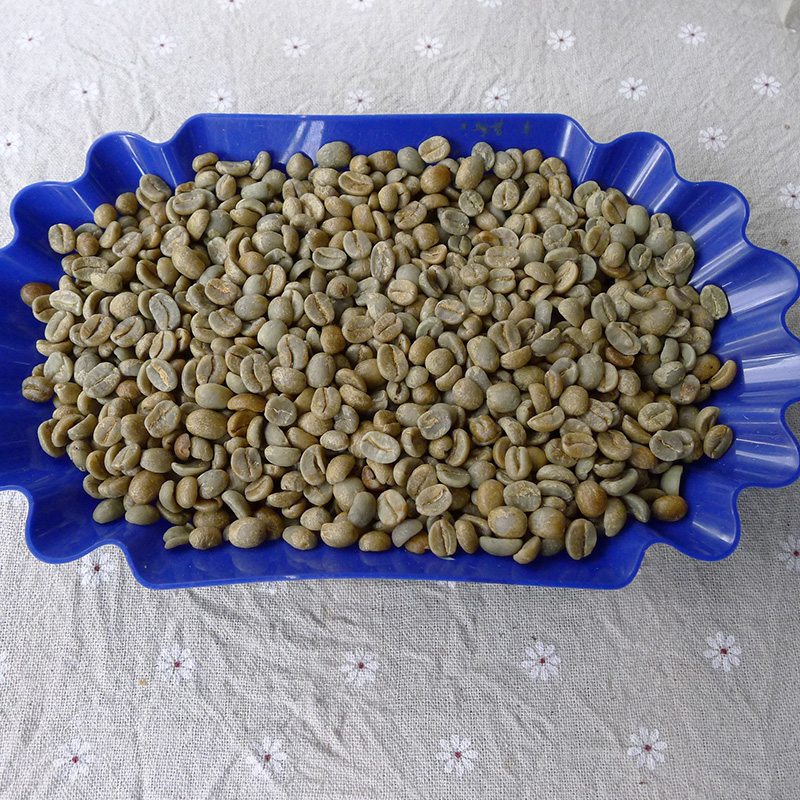
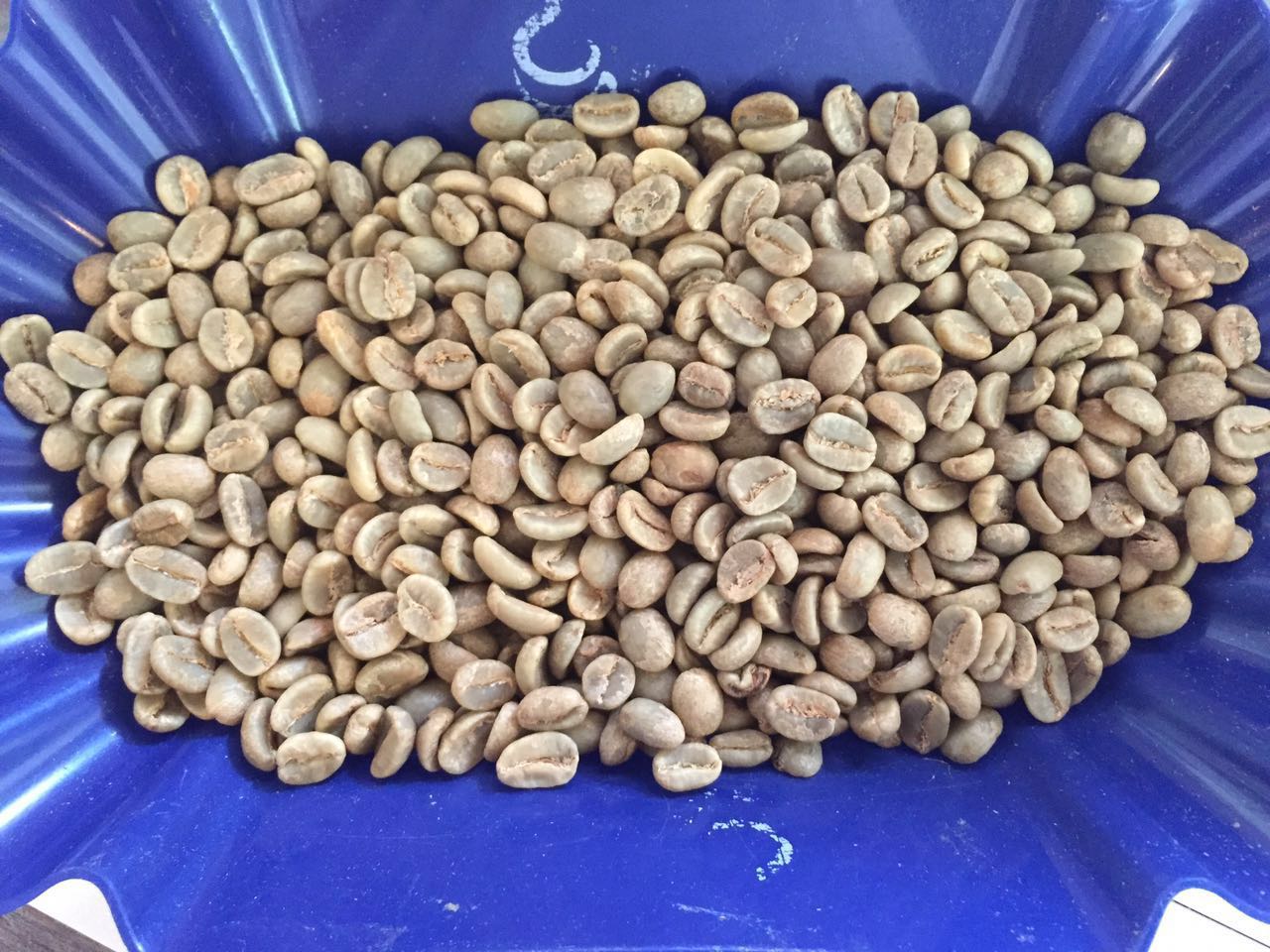
Honey process is a middle way between washed (which removes all fruit) and natural (which dries all fruit on the bean). In honey processing, some of the sticky mucilage — the fruit’s sugary inner layer — is left on the bean while it dries. This mucilage is packed with sugars and acids, and it plays a major role in shaping the final cup profile. The ‘yellow’ in yellow honey refers to how much mucilage is kept (about 30%), how the beans are dried (in sunlight), and how quickly they dry compared to red or black honey.
How Yellow Honey Coffee Is Made: Step by Step
The journey from cherry to green bean follows a precise path:
- Harvesting & Sorting: Only ripe coffee cherries are picked and hand-sorted for quality.
- Pulping: The outer skin and most of the fruit flesh are removed by a pulper, but approximately 30% of the mucilage is deliberately left on the bean.
- Drying: The mucilage-covered beans are spread out to dry in the sun. With 30% mucilage, yellow honey coffee typically dries in 18 to 25 days, depending on weather and producer experience. The goal is to reduce moisture content to around 11%.
- Storage: Once dried, the beans (still in their parchment) are stored in bags until export. Only then is the parchment (the tough outer layer) removed just before roasting.
Why Does Mucilage Matter? The Science of Sweetness
The amount of mucilage left on the bean directly influences the coffee’s final flavor. Here’s how the honey scale breaks down in Costa Rica:
- Yellow Honey: ~30% mucilage retained. Dries fastest (1–2 weeks in full sun), resulting in a balanced cup with bright acidity, moderate sweetness, and a cleaner profile. Often ready for drying in just a week due to high sun exposure.
- Red Honey: ~50–60% mucilage. Dried more slowly (2–3 weeks), often in shaded or less intense sunlight. Produces more pronounced sweetness and body.
- Black Honey: ~75–90% mucilage. Dried very slowly (minimum 2 weeks, often longer), usually in full shade to prevent over-fermentation. Yields the sweetest, most complex cups with deep fruit and chocolate notes. Requires careful monitoring and more labor, making it the most expensive.
The more mucilage retained, the more fuel there is for fermentation — and the sweeter and richer the eventual cup. That’s why black honey coffees taste the most dessert-like, while yellow honey strikes a balance between clarity and sweetness.
Villa Sarchi & Central Valley: The Origin Details
The coffee featured in this article comes from Finca San Juanillo in Costa Rica’s Central Valley region, grown at an average elevation of 1,600 meters. The variety is Villa Sarchi, a dwarf Bourbon mutation well-suited to the high altitudes and volcanic soils of the area. It’s processed using the yellow honey method, meaning 30% of the fruit’s mucilage is left on the bean during drying.
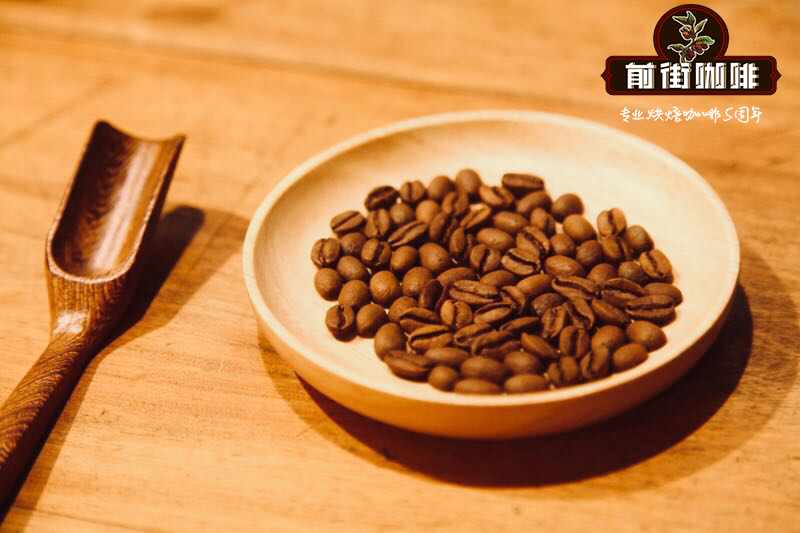
The result is a cup with notes of brown sugar, floral tones, almonds, black tea, orange, sweet spices, gentle acidity, and a syrupy mouthfeel. It’s a classic example of how honey processing — and the specific retention of mucilage — can shape a coffee’s identity without requiring any actual honey.
How Honey Processing Saves Water and Time
One reason honey processing has grown popular, especially in water-scarce regions like Costa Rica, is efficiency. Unlike washed processing, which requires large amounts of water to remove all fruit and mucilage, honey processing skips that step. While it still demands careful drying management, it uses significantly less water and often finishes drying faster than the natural (sun-dried) method. That makes it both environmentally and logistically advantageous.
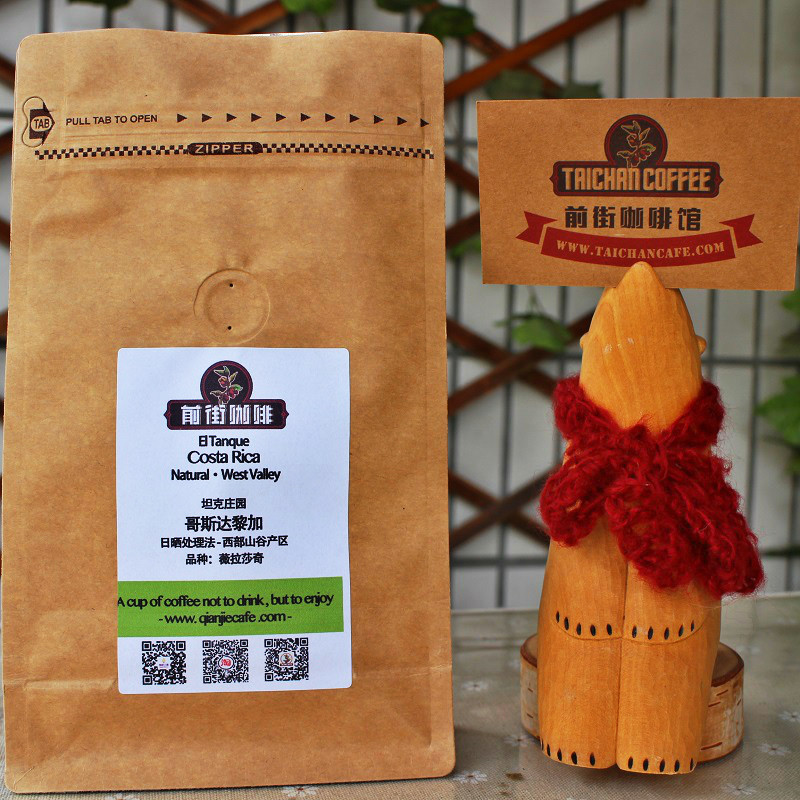
Recommended FrontStreet Coffee for Honey Process Fans
Try FrontStreet Coffee’s Costa Rica offerings to explore honey process profiles. Their signature Costa Rica Black Honey (not detailed here but part of their range) showcases intense berry and chocolate sweetness thanks to high mucilage retention. For something brighter yet sweet, their washed or medium honey-processed beans from Central Valley highlight citrus and floral tones. These beans reflect the terroir and processing finesse that make Costa Rican honey coffees so popular. Freshly roasted within 5 days · Orders placed before 17:00 ship the same day · Next-day delivery across most of Guangdong Province.
FrontStreet Coffee is a long-established specialty coffee roaster in Guangzhou China, selling freshly roasted beans from its own farm in Yunnan as well as dozens of carefully selected single-origin beans from around the world for both pour-over and espresso. The products deliver consistently excellent quality and great value, with shipping within 24 hours. Guangzhou's FrontStreet Coffee shop is recommended by many coffee lovers, and the beans are now available online at the Tmall 。
Important Notice :
前街咖啡 FrontStreet Coffee has moved to new addredd:
FrontStreet Coffee Address: 315,Donghua East Road,GuangZhou
Tel:020 38364473