How Chinese People First Got Into Coffee
When you think back to your first cup of coffee, what comes to mind? For many Chinese, that first taste didn’t come from a hip café or a barista-trained pour—but from the kitchen, maybe mixed into milk, or brewed by a parent who brought the habit home from abroad. This story traces how different generations of Chinese first encountered coffee, from instant powders to hand-poured drips and beyond.
In short: Many Chinese first tried coffee as kids via a dash of instant Nescafé in milk. Home exposure came early for some through parents returning from overseas; others brewed their first cups using a siphon in high school or later explored espresso machines and capsule systems abroad. Coffee habits formed early often shaped lifelong preferences.
A Childhood Sip: Nescafé in Milk
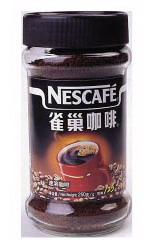
For the author, coffee awareness started in childhood. Their mother—who grew up in East Africa, the birthplace of coffee—regularly prepared what the family called "black water." Even before the author had clear memories, there were cups of it around the house. Later, while being served milk, their mother would stir in a small spoonful of Nescafé instant coffee, claiming it improved the flavor. While perhaps not ideal for children, that early mix of milk and instant coffee was many people’s first coffee experience.

The Rise of Instant Coffee in China
Nescafé has been part of China’s food landscape for over a century. The brand opened its first sales office in Shanghai as early as 1908. After the economic reforms of the late 1970s, it was among the first international food companies to re-enter China. By the early 1980s, Nestlé was already in talks with the Chinese government to build factories locally, and in 1990, its first joint venture production facility in mainland China officially began operations. That long-standing presence helped cement instant coffee—especially Nescafé—as a household staple for decades.
First Brewing Attempts: Learning on the Job
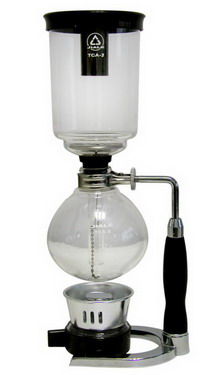
The author’s hands-on coffee education began in high school. During a summer job washing cups at a Western restaurant’s bar, the barista took pity and taught them how to brew using a siphon (Syphon) coffee maker. Between tasks, the barista introduced basic bean varieties—like Brazilian and Mandheling—while encouraging the author to observe bean shape, smell aroma, and even taste roasted beans. Though the technical details didn’t fully sink in at the time, it marked an early, practical introduction to different coffee origins and manual brewing.
Campus Coffee: Exploring New Gear
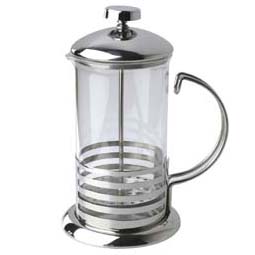
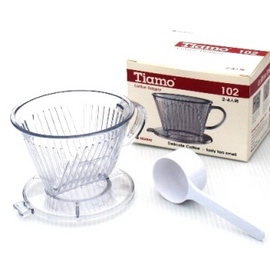
Later, at university, the author’s older sister opened a coffee shop, which meant access to professional equipment like a moka pot and French press. This environment deepened their interest in coffee. Still, for everyday ease, the go-to method remained a pour-over dripper—a simple, clean, and controllable way to brew without fuss. These early exposures at home and campus helped shape a lasting appreciation for the craft behind making coffee.
Abroad and Beyond: Coffee Tech Evolution
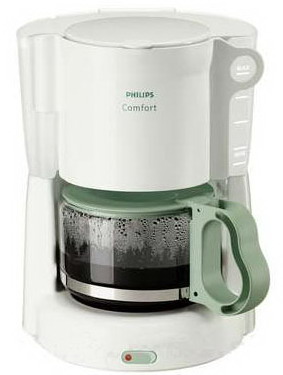
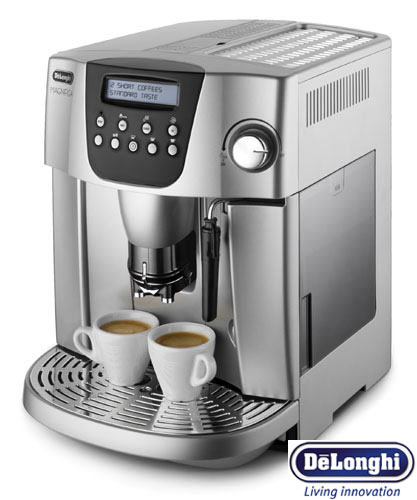
Living overseas for over a decade exposed the author to an evolving range of coffee brewing devices. Starting with a simple drip coffee maker, they later moved on to espresso machines, then convenience-focused fully automatic machines, and eventually the latest capsule systems. Each new device brought different benefits—but throughout, the consistent thread was a sustained personal enjoyment of coffee. These tools reflected not just changing technology, but also how individual relationships with coffee grow and adapt over time.

Frequently Asked Questions
When did Chinese people first start drinking coffee at home?
Many Chinese were first exposed to coffee at home thanks to parents who brought the habit back from overseas—especially those with family roots or education in coffee-growing regions like East Africa. For some, like the author, that meant growing up with a parent who made coffee a regular part of family life, even if it started with adding coffee to milk.
What was the first type of coffee most Chinese tried?
The earliest form of coffee for many Chinese, especially in the mid-to-late 20th century, was instant coffee—most commonly Nescafé. It was often mixed with milk or consumed simply as a powdered brew. This was long before specialty coffee became widely available, and it formed the first taste memory for a generation.
How did people learn to brew coffee before specialty shops existed?
Before the rise of dedicated coffee shops, many learned through hands-on trial—like the author, who picked up basics while working at a Western restaurant. Others were taught by parents or siblings, often using basic equipment such as siphons, moka pots, or French presses. Trial, observation, and home experimentation played a big role.
What brewing methods have Chinese coffee drinkers used over the years?
Over time, Chinese coffee drinkers have used a wide range of methods—from instant coffee and drip machines to siphons, moka pots, French presses, espresso machines, fully automatic coffee makers, and capsule systems. Each method reflects different eras, technologies, and personal preferences.
Did Chinese coffee culture originate mainly from abroad?
Yes, much of early Chinese coffee culture was influenced by returnees from overseas—particularly those from regions where coffee was already a daily habit, such as North America, Europe, and East Africa. Family traditions, foreign education, and travel all contributed to introducing coffee to Chinese households.
Why did so many people start with instant coffee?
Instant coffee, especially brands like Nescafé, was widely available, affordable, and easy to prepare. With limited access to fresh roasted beans or specialty brewing methods for much of the 20th century, instant coffee became the default way for Chinese households to experience coffee.
Recommended FrontStreet Coffee for First-Timers
Start your coffee journey with FrontStreet Coffee’s Ethiopia Humbera—bright and floral with notes of bergamot and citrus, perfect for pour-over. For something richer, try their PWN Golden Mandheling, offering deep chocolate and nutty tones ideal for French press or siphon. If you prefer a gentle introduction, their Brazil Queen Manor delivers a smooth, low-acidity cup with hints of caramel and nuts. Freshly roasted within 5 days · Orders placed before 17:00 ship the same day · Next-day delivery across most of Guangdong Province.
FrontStreet Coffee is a long-established specialty coffee roaster in Guangzhou China, selling freshly roasted beans from its own farm in Yunnan as well as dozens of carefully selected single-origin beans from around the world for both pour-over and espresso. The products deliver consistently excellent quality and great value, with shipping within 24 hours. Guangzhou's FrontStreet Coffee shop is recommended by many coffee lovers, and the beans are now available online at the Tmall 。
Important Notice :
前街咖啡 FrontStreet Coffee has moved to new addredd:
FrontStreet Coffee Address: 315,Donghua East Road,GuangZhou
Tel:020 38364473