How Coffee Cup Size Affects Strength and Flavor
Ever ordered a coffee and been handed a tiny cup that packed a punch—or a giant mug that tasted mostly like milk? The size of your coffee cup isn’t just about style or tradition; it’s directly tied to how strong, concentrated, and flavorful your drink will be. Whether you’re brewing at home or ordering at a café, understanding cup sizes helps you get the coffee experience you actually want.
The smaller the cup, the stronger the coffee. Espresso cups hold just 50–80ml and are built for intense, pure coffee flavor. Cappuccino cups (120–140ml) are mid-sized for balanced drinks with room for milk. Large latte cups exceed 300ml and are designed for high milk-to-coffee ratios.
What Defines a Coffee Cup Size?
Coffee cup volumes fall into three general categories, and each one serves a different style of coffee. These aren't random—they reflect how much coffee is brewed, how much milk is added, and how the drink is meant to be experienced.
Small Cups: Espresso-Style Intensity
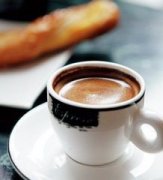
The smallest coffee cups, often called espresso cups, range from 50 to 80 milliliters. These tiny vessels are made for serving espresso or other strong, unadulterated single-origin coffees. Their small size concentrates the aromas and flavors, making them ideal for tasting the full complexity of a well-brewed shot. There’s no room for milk here—it’s all about the coffee’s raw character.
Medium Cups: The Cappuccino Standard
The most commonly used coffee cup, known as a cappuccino cup, holds between 120 and 140 milliliters. This size strikes a balance—there’s enough space to add steamed milk and a layer of foam while still keeping the coffee prominent. It’s the go-to for drinks where milk plays a supporting role, not the leading one. The slightly larger volume allows baristas and drinkers to adjust the ratio of coffee to milk to taste.
Large Cups: Milk-Dominant Drinks
Large coffee cups, often referred to as latte cups, start at 300 milliliters and go up from there. These are built for drinks where milk is the majority component—like lattes and flat whites. The extra volume accommodates generous amounts of steamed milk and foam, which soften the coffee’s intensity. That makes these cups great for those who prefer a milder, creamier coffee experience.
What About Venti, Trenta, and Other Café Sizes?
If you’ve been to a global coffee chain, you’ve seen terms like short, tall, grande, venti, trenta, and alto. While short (8 oz), tall (12 oz), and grande (16 oz) are fairly straightforward, the others come from Italian or made-up sizing traditions. Venti means “20” in Italian and refers to a 20 oz (around 590 ml) cup. Trenta means “30,” or about 31 oz (915 ml), and alto simply suggests a large format. These names reflect ounce measurements rather than traditional coffee culture volumes.
Espresso vs. Tea Cups: What’s the Difference?
It’s easy to confuse coffee cups with tea cups—but they’re designed differently on purpose. Tea cups usually have wide mouths and shallow bases to help release aroma and show off the tea’s color. Coffee cups, in contrast, have narrower rims, thicker walls, and less translucency. This design helps concentrate coffee aromas and maintain heat. Most coffee cups are made from ceramic or porcelain. Porcelain works well for lighter, more delicate brews, while ceramic or clay cups are better suited to bold, dark roasts.

Frequently Asked Questions
Does a smaller coffee cup really make the coffee taste stronger?
Yes. Smaller cups, like espresso cups (50–80ml), serve a more concentrated brew, meaning more coffee flavor and caffeine per milliliter. There’s no dilution from milk or extra water, so the intensity is much higher compared to larger cups.
What is the standard size for an espresso cup?
An espresso cup typically holds between 50 and 80 milliliters. This small size is designed to highlight the rich, bold flavors of a straight espresso shot or strong single-origin coffee without adding milk.
How much coffee does a cappuccino cup hold?
A standard cappuccino cup holds between 120 and 140 milliliters. This size leaves room for adding milk and foam, making it ideal for balanced drinks where both coffee and milk are meant to shine.
Why are latte cups so big?
Latte cups usually start at 300 milliliters and are designed to hold a lot of steamed milk. The large volume ensures the coffee is diluted to a milder flavor, which is what most people expect from a latte or similar milk-forward drinks.
Are tea cups and coffee cups interchangeable?
No. Coffee cups are narrower, thicker, and less transparent to enhance aroma and heat retention. Tea cups are wider and shallower to help disperse tea fragrance and showcase color. Using the wrong type can affect how the drink smells and tastes.
What do venti, trenta, and alto mean in coffee sizing?
These terms come from Italian and refer to ounce sizes. Venti means 20 (about 590 ml), trenta means 30 (about 915 ml), and alto simply means “large.” They are commonly used in global coffee chains for extra-large drink sizes.
Recommended FrontStreet Coffee Beans for Espresso & Milk Drinks
For espresso-based drinks served in small cups, try FrontStreet Classic Blend or Black Cocoa Blend—both offer bold, balanced profiles with notes of dark chocolate, nuts, and caramel. For milk drinks like lattes, the Brazil Queen Manor SOE (Yellow Bourbon) delivers smooth, sweet flavours of butter, cookies, and nuts when brewed as espresso. Freshly roasted within 5 days · Orders placed before 17:00 ship the same day · Next-day delivery across most of Guangdong Province.
FrontStreet Coffee is a long-established specialty coffee roaster in Guangzhou China, selling freshly roasted beans from its own farm in Yunnan as well as dozens of carefully selected single-origin beans from around the world for both pour-over and espresso. The products deliver consistently excellent quality and great value, with shipping within 24 hours. Guangzhou's FrontStreet Coffee shop is recommended by many coffee lovers, and the beans are now available online at the Tmall 。
Important Notice :
前街咖啡 FrontStreet Coffee has moved to new addredd:
FrontStreet Coffee Address: 315,Donghua East Road,GuangZhou
Tel:020 38364473