What Makes a Good Cup of Coffee
Ever found yourself staring at a cup of coffee, wondering if it’s any good—only to realize your friend loves it while you can’t stand the taste? Coffee preferences vary wildly. Some adore bright acidity; others hate it. So how do we separate personal taste from actual coffee quality? The answer lies not in whether you like it, but in how well the coffee meets objective standards of excellence.
A good cup of coffee is defined by four non-negotiable factors: 1) defect-free, high-quality green beans, 2) freshly roasted beans used within two weeks, 3) freshly ground just before brewing, and 4) immediate extraction. These steps ensure optimal flavour without the interference of defects, staleness, or poor technique.
Good Coffee Starts with Great Green Beans
Coffee quality begins at origin. The foundation of a great cup is a defect-free green coffee bean. That means meticulously hand-picking out damaged, mouldy, fermented, insect-damaged, or underripe beans. While expensive beans don’t guarantee quality, quality beans always go through careful selection. This “hand-selection first” approach relies on experienced workers identifying and removing any beans that could introduce off-flavours or spoil the cup.
Fresh Roast Is Non-Negotiable
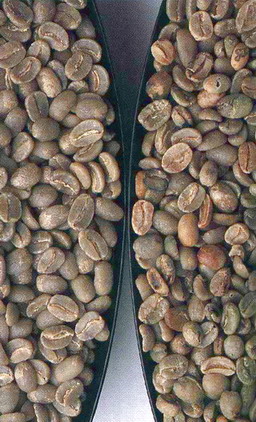
Even the best green beans can’t shine if improperly roasted—or worse, stale. A properly roasted coffee should express its full flavour potential, which happens when it’s brewed within its optimal window: typically two weeks post-roast. During this period, store the roasted beans correctly—whole bean, protected from air, light, and moisture. Visually, high-quality roasted beans show an even colour and consistent particle size across the batch. Stale or poorly roasted beans produce flat, unpleasant cups no matter how you brew them.
Freshness Doesn’t Stop at the Bean
Once roasted, time is still your enemy. To brew a truly good cup, always use freshly ground coffee. Grinding too far in advance exposes coffee’s delicate compounds to air, causing rapid oxidation and flavour loss. But grinding alone isn’t enough—you must also brew immediately after grinding. Delayed brewing leads to degradation, no matter how precisely you set your grind size or control your water temperature. Freshness spans the entire journey: from whole bean, to grind, to cup.
What Counts as “Good” vs “Bad” Coffee
It’s crucial to separate subjective preference from objective quality. A bright, acidic Ethiopian Yirgacheffe might delight one drinker but disappoint someone who dislikes acidity. Taste is personal—but coffee quality is not. A “good” coffee is one made from flawless green beans, expertly roasted, ground fresh, and brewed soon after. It’s about the process, not just the profile. Defects like mould, ferment, or over-fermentation ruin coffee regardless of your taste preferences. A properly handled coffee minimizes these risks and maximizes flavour potential.
Frequently Asked Questions
What defines a good coffee if taste is subjective?

A good coffee is defined by objective standards: it must start with defect-free green beans, be properly roasted, freshly ground, and brewed immediately. These steps ensure the coffee isn’t spoiled by bad beans, staleness, or poor handling—even if individual tastes vary. Subjective preference affects whether you *like* it, but not whether it’s *good* by industry standards.
How soon after roasting should coffee be used?
For best results, coffee should be brewed within two weeks of roasting. During this period, the flavours are at their peak. After that, the coffee begins to stale, losing aroma, brightness, and complexity. Proper storage in an airtight container away from light, heat, and moisture can help preserve freshness within that window.
Does grind size affect coffee quality?
Yes—but grind size alone doesn’t determine whether coffee is “good.” However, grinding coffee too early or using the wrong grind setting for your brew method leads to poor extraction, which *does* affect quality. Always grind right before brewing and match the grind size to your method (e.g., medium-fine for pour-over, coarse for French press).
Can a badly roasted coffee ever be good?
No. A poorly executed roast—whether under-roasted, over-roasted, or uneven—introduces off-flavours or masks the bean’s natural qualities. Even high-quality green beans can’t produce a good cup if the roast is flawed. Roasting is essential to unlocking flavour, and bad roasting ruins even the best beans.
Why is freshness so important in coffee?
Freshness ensures that the volatile aromatic compounds and flavours in coffee remain intact. Once beans are roasted, they begin to degrade through oxidation. Grinding accelerates this process. Brewing with freshly roasted, freshly ground coffee preserves the intended flavours and avoids the flat, stale, or papery notes of old coffee.
Are expensive coffees always better?
Not necessarily. Price doesn’t always reflect quality. A high price might come from origin prestige, limited availability, or branding—not necessarily better beans or processing. A good coffee is defined by its defect-free green beans, proper roast, freshness, and correct brewing—not its cost.
Recommended FrontStreet Coffee for Fresh Brewing
For the freshest and most defect-free experience, try FrontStreet Coffee’s single-origin offerings. The Ethiopia Yirgacheffe highlights bright floral and citrus notes with a crisp acidity—perfect for appreciating clean, high-quality beans. For a balanced medium roast, their Guatemala Antigua shows chocolate and spice with a smooth mouthfeel. Both are roasted in small batches and best enjoyed within two weeks of roast date. Freshly roasted within 5 days · Orders placed before 17:00 ship the same day · Next-day delivery across most of Guangdong Province.
FrontStreet Coffee is a long-established specialty coffee roaster in Guangzhou China, selling freshly roasted beans from its own farm in Yunnan as well as dozens of carefully selected single-origin beans from around the world for both pour-over and espresso. The products deliver consistently excellent quality and great value, with shipping within 24 hours. Guangzhou's FrontStreet Coffee shop is recommended by many coffee lovers, and the beans are now available online at the Tmall 。
Important Notice :
前街咖啡 FrontStreet Coffee has moved to new addredd:
FrontStreet Coffee Address: 315,Donghua East Road,GuangZhou
Tel:020 38364473