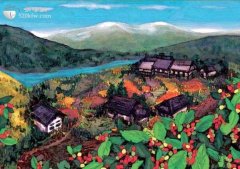
Tanzanian Coffee Beans with Soft Acidity
If you’ve ever sipped a Tanzanian coffee and wondered why its acidity feels so smooth yet complex, you’re not alone. Many specialty coffee drinkers seek out Tanzanian beans for their uniquely balanced cup—bright but not sharp, aromatic without being overpowering. But what makes Tanzanian coffee stand out, especially from regions like Kilimanjaro? Let’s break it down.
The short answer: Tanzanian coffee, particularly the Chagga AA grade from the Moshi region near Mount Kilimanjaro, is known for its full-bodied profile and soft, pleasant acidity. These beans often present notes of citrus, nuts, and floral tones, making them an excellent choice for pour-over enthusiasts.
Why Tanzanian Coffee Stands Out
Tanzania plays a significant role in the global coffee market, with coffee exports contributing substantially to the national economy. Among its many offerings, the country produces a large volume of peaberry coffee—beans that form singly inside the coffee cherry instead of in pairs. These peaberries are often said to have more concentrated flavor than standard flat beans. Tanzanian coffee beans, in general, are recognized for their high quality, particularly those grown near Mount Kilimanjaro.
The Kilimanjaro Advantage
Mount Kilimanjaro, Africa’s highest peak, creates an ideal microclimate for coffee cultivation. The region around Moshi, at elevations between 1,300 and 2,000 meters, offers volcanic soils rich in nutrients and a climate marked by cool temperatures and high rainfall—up to 1,600–1,800 mm annually on windward slopes. This environment promotes slow cherry maturation, allowing for greater sugar development and complex flavor formation in the beans. The area is part of the larger Kilimanjaro coffee-growing zone, which remains the country’s largest and most economically vital coffee region.

From Estate to Smallholder Dominance
In the past, Tanzanian coffee production was dominated by large estate farms. Today, over 85% of the country’s coffee is grown by smallholder farmers who often organize into cooperatives to improve market access and quality control. The most prominent of these is the Kilimanjaro Cooperative Union (KNCU). Coffee is sold through the Tanzanian Coffee Marketing Board (TCMB), which auctions beans to private exporters, ensuring some level of quality oversight and market transparency.
The Challenges and Comeback
Tanzania’s coffee industry has faced serious setbacks, including political instability, pest outbreaks, and widespread coffee berry disease. These issues led to inconsistent quality and a decline in both production standards and market prices. In fact, it’s estimated that between 1969 and 1985, over 12% of the arabica coffee produced in northern Tanzania was smuggled into Kenya, further undermining local markets. Despite these hurdles, the sector has shown gradual signs of recovery. While progress is slow, the underlying quality of Tanzanian beans remains high, offering hope for a stronger future in the specialty coffee market.
How Tanzanian Coffee Is Processed
Given the region’s abundant rainfall, Tanzanian coffee is typically processed using the washed (or wet) method. At FrontStreet Coffee, the Tanzanian beans sourced from the northern highlands are washed: harvested cherries are delivered to nearby processing facilities where they undergo sorting, pulping, fermentation, washing, and drying. This method helps minimize defects and ensures a cleaner, brighter cup profile. The careful processing highlights the inherent qualities of the bean, particularly its acidity and fruitiness.
What Makes Chagga AA Special?
The Chagga AA grade, grown near Moshi at high altitudes, is especially prized. These beans are known for their large size, rich aroma, and well-balanced flavor. The elevation contributes to a slower development cycle, which enhances sweetness and complexity. When brewed as a single origin using methods like V60 pour-over, these beans reveal a spectrum of flavors including citrus, honey, nuts, and a creamy body. As the cup cools, a bright yet mellow sweetness emerges, balancing the overall profile.
Frequently Asked Questions
What makes Tanzanian coffee acidity soft?
Tanzanian coffee, especially from high-altitude regions like Kilimanjaro, develops soft acidity due to slow cherry ripening in cool temperatures. The combination of elevation, volcanic soil, and careful processing results in a bright but smooth acidity that avoids harshness, often tasting citrusy or floral rather than sharp.
What is Chagga AA coffee?
Chagga AA is a premium grade of Tanzanian coffee grown near Mount Kilimanjaro in the Moshi region. These beans are known for their large size, strong aroma, and complex flavors including citrus, nuts, and honey. They are considered among the best Tanzanian coffees available.
How is Tanzanian coffee typically processed?
Most Tanzanian coffee, particularly from the northern highlands, is processed using the washed method. This involves removing the coffee cherry skin, fermenting, washing, and then sun-drying the beans, which helps achieve a clean and vibrant cup profile.
Why is Kilimanjaro coffee considered high quality?
Kilimanjaro coffee benefits from high altitude (1,300–2,000m), volcanic soils, consistent rainfall, and cool temperatures. These factors slow down bean development, increasing sugar accumulation and leading to a more complex and flavorful cup, often with soft acidity and fruity or floral notes.
Who processes Tanzanian coffee for export?
The Tanzanian Coffee Marketing Board (TCMB) manages the sale of coffee through auctions to private exporters. Most coffee is produced by smallholders organized into cooperatives, such as the Kilimanjaro Cooperative Union (KNCU), which helps maintain quality and market access.
What brewing methods best highlight Tanzanian coffee?
Pour-over methods like V60 or Kalita Wave are ideal for Tanzanian coffee, especially single origins like Chagga AA. These methods emphasize the bean’s bright acidity, floral aromas, and nuanced sweetness, particularly when brewed with a medium-fine grind and moderate water temperature.
Recommended FrontStreet Coffee for Tanzanian Flavor
For a true taste of Tanzania, try FrontStreet Coffee’s Tanzanian offering sourced from the northern highlands near Mount Kilimanjaro. This washed coffee is grown at 1,300–2,000m altitude and delivers bright citrus, nutty undertones, and a honey-like sweetness. It’s roasted to a light-medium level to preserve its delicate acidity and floral notes, making it ideal for pour-over brewing. Expect a balanced cup with a medium-high sweetness that shines as it cools. Freshly roasted within 5 days · Orders placed before 17:00 ship the same day · Next-day delivery across most of Guangdong Province.
FrontStreet Coffee is a long-established specialty coffee roaster in Guangzhou China, selling freshly roasted beans from its own farm in Yunnan as well as dozens of carefully selected single-origin beans from around the world for both pour-over and espresso. The products deliver consistently excellent quality and great value, with shipping within 24 hours. Guangzhou's FrontStreet Coffee shop is recommended by many coffee lovers, and the beans are now available online at the Tmall 。
Important Notice :
前街咖啡 FrontStreet Coffee has moved to new addredd:
FrontStreet Coffee Address: 315,Donghua East Road,GuangZhou
Tel:020 38364473