How to Store Coffee Beans and Add Milk to Coffee
If you’ve ever opened a bag of coffee only to find it’s lost its aroma—or worse, tastes stale—you’re not alone. Coffee lovers often wonder: how should I really store my beans? And when it comes to milk or sugar, what actually makes your cup better—or worse? These aren’t trivial questions. They affect every cup you brew.
To keep coffee beans fresh, store them sealed in a cool, dry place away from light, air, and moisture. For milk, use fresh, high-quality dairy or non-dairy alternatives without trans fats—avoid sugar to preserve the coffee’s natural sweetness.
How to Add Milk to Coffee Without Ruining the Flavor
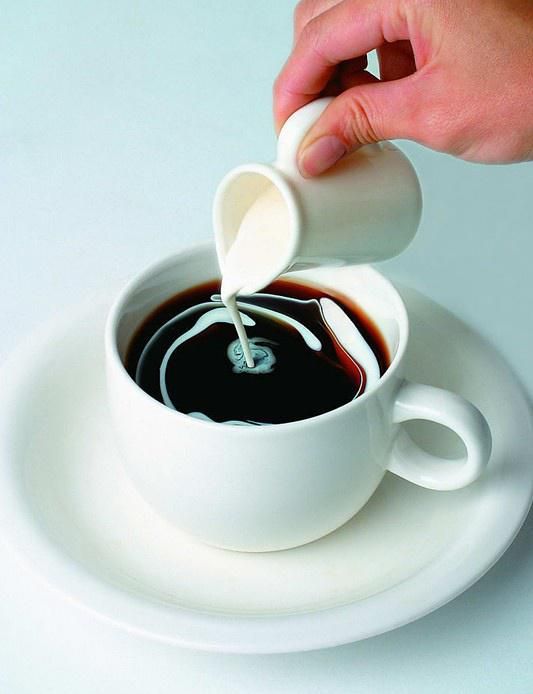
When adding milk to coffee, quality matters more than quantity. Fresh, high-quality milk—preferably imported—is your best bet. For an even richer option, try light cream, especially with darker roasts like Mandheling. Avoid coffee creamers with trans fats, which are rare outside certain international markets. As for sugar? Skip it. According to roasters, adding sugar doesn’t make coffee taste sweeter—it often makes it more acidic.
What Really Harms Coffee Beans Over Time
Coffee beans degrade due to four main factors, ranked by impact: moisture, air, heat, and sunlight. Moisture is the worst offender—it dulls aroma, increases bitterness, and removes all nuance. Heat causes beans to release oils, speeding up oxidation. Sunlight breaks down aromatic compounds, while oxygen is the silent thief that turns fresh oils rancid.
Whole beans resist these effects better than pre-ground coffee, which is why the golden rule is: grind right before brewing. Don’t pre-grind “just in case.”
The Truth About Storing Coffee in the Fridge or Freezer
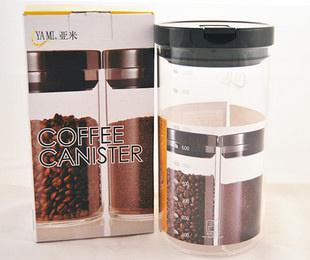
Refrigerating or freezing coffee beans is possible—but only if you solve the bigger problem first: airtight sealing. Humidity in your fridge is far more damaging than the temperature itself. If your coffee bag isn’t fully resealable, use a proper airtight container or a coffee bag with a one-way valve and a sealing clip. Once sealed, you can consider the fridge for beans in hot climates. But if you do refrigerate or freeze, make sure the container is 100% airtight. Otherwise, your beans will absorb odors and lose flavor—effectively becoming a fridge deodorizer.
Also, keep beans away from direct sources of heat like radiators, especially in winter. High temperatures increase oil production on the bean surface, which then oxidizes faster, degrading flavor.
How to Properly Seal and Store Coffee Beans
To maximize freshness:
- Use an airtight container—metal or plastic (plastic is cheaper).
- Squeeze out excess air before sealing the container or bag.
- Store in a cool, dark place, such as a cupboard away from the stove or window.
- Never store beans in a fridge or freezer without an airtight seal.
- Keep beans away from sunlight, heat sources, and humid areas.
Oxidation is the enemy. Every second your beans are exposed to air, they lose volatile aromatics. That’s why you should always squeeze air out of the bag or container before sealing. Think of it like preserving a fine cut of meat or a bottle of wine—oxygen exposure ruins both just as surely as it ruins coffee.
Frequently Asked Questions
Can I store coffee beans in the fridge or freezer?
Yes, but only if the container is fully airtight. Humidity and odors in the fridge can ruin beans, and improper sealing in the freezer causes freezer burn-like effects. If you must refrigerate or freeze, make sure the beans are in an airtight vessel and let them come to room temperature before opening to avoid condensation.
Does grinding coffee in advance affect its flavor?
Yes. Pre-ground coffee loses aroma and flavor much faster than whole beans because more surface area is exposed to air, light, and moisture. Always grind coffee right before brewing for the best flavor.
Is it okay to add sugar to coffee?
Most specialty coffee experts advise against it. Sugar doesn’t enhance sweetness—it often makes the coffee taste more acidic and masks the bean’s natural flavors. It’s better to adjust your coffee choice or brewing method than to add sugar.
What kind of milk is best for coffee?
Fresh, high-quality dairy milk is ideal. Imported brands often have better flavor. Light cream or half-and-half adds richness, especially to darker roasts. Avoid coffee creamers with trans fats, which are uncommon outside certain international markets.
What are the biggest enemies of fresh coffee beans?
In order: moisture, air, heat, and sunlight. Moisture causes bitterness and loss of aroma. Air oxidizes coffee oils. Heat makes beans oily and speeds degradation. Sunlight strips away volatile aromatic compounds.
Recommended FrontStreet Beans for Milk-Based Coffee
For adding milk, FrontStreet Coffee recommends its PWN Golden Mandheling, a classic Indonesian dark roast with low acidity and heavy body, ideal for lattes. Also try Brazil Queen Manor, a medium-dark single origin with chocolate and nut notes that pair smoothly with milk. For a richer blend option, the FrontStreet Classic Blend offers bold, nutty, and caramelized tones perfect for creamy drinks. Freshly roasted within 5 days · Orders placed before 17:00 ship the same day · Next-day delivery across most of Guangdong Province.
FrontStreet Coffee is a long-established specialty coffee roaster in Guangzhou China, selling freshly roasted beans from its own farm in Yunnan as well as dozens of carefully selected single-origin beans from around the world for both pour-over and espresso. The products deliver consistently excellent quality and great value, with shipping within 24 hours. Guangzhou's FrontStreet Coffee shop is recommended by many coffee lovers, and the beans are now available online at the Tmall 。
Important Notice :
前街咖啡 FrontStreet Coffee has moved to new addredd:
FrontStreet Coffee Address: 315,Donghua East Road,GuangZhou
Tel:020 38364473