How a Moka Pot Makes Espresso-Style Coffee
People often ask: does coffee from a moka pot count as espresso? Despite its old-school look and lack of crema, the answer is yes—if you use it properly. Many dismiss moka coffee because it doesn’t match the high-tech image of modern espresso machines or show thick crema. But those aren’t what truly define espresso. The key factor is pressure during brewing, and a moka pot delivers that.
Moka pots brew coffee under pressure—just like espresso. The water is forced through finely ground coffee by heat-driven pressure, extracting a strong, concentrated brew. That makes moka coffee functionally espresso-style, even if it looks different.
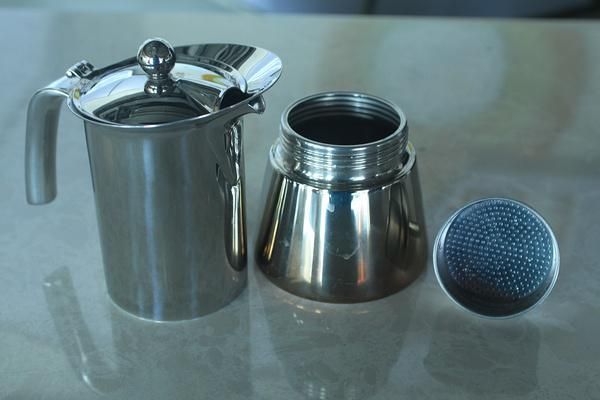
What Is a Moka Pot and How Does It Work?
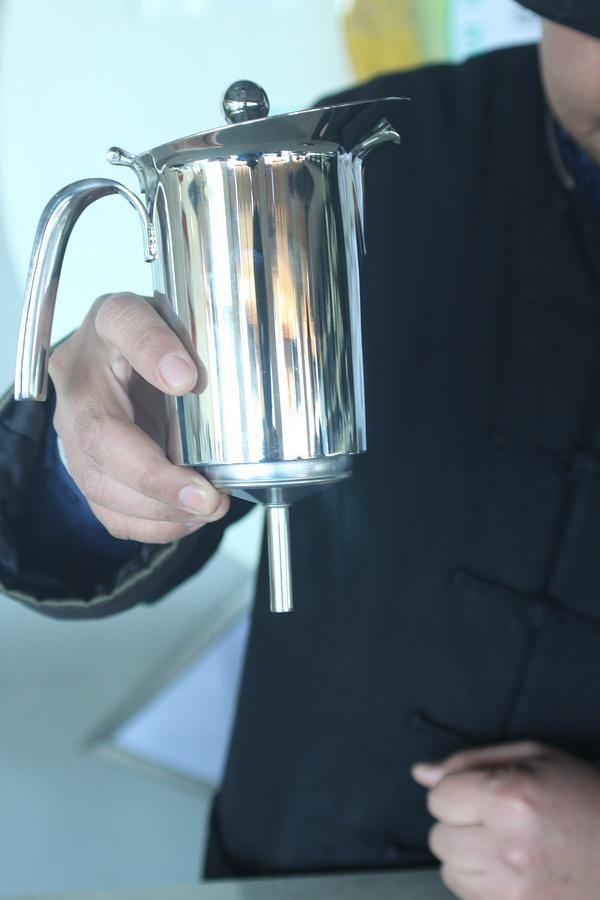
Despite common misuse, Europeans often call it an "Espresso Pot." That name isn’t accidental—it reflects the pressurized brewing method. A moka pot consists of three parts: the bottom water chamber, the middle coffee basket (powder chamber), and the top chamber that collects the brewed coffee.
The heart of the design is the aligned metal tubes connecting the bottom and top. When heated, steam pressure pushes hot water upward through the coffee grounds and filter, then out through the central spout. This process replicates the pressure-based extraction used in espresso machines.
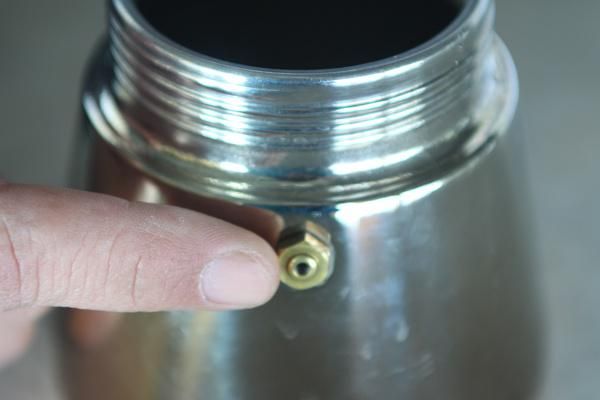
The lower chamber includes a safety valve—a clear sign this is a pressurized system. When properly sealed and heated, the moka pot generates enough internal pressure to brew coffee in a way that meets the technical definition of espresso: coffee made by forcing hot water through finely-ground coffee under pressure.
Why Grind Size and Roast Matter for Moka Pot Coffee
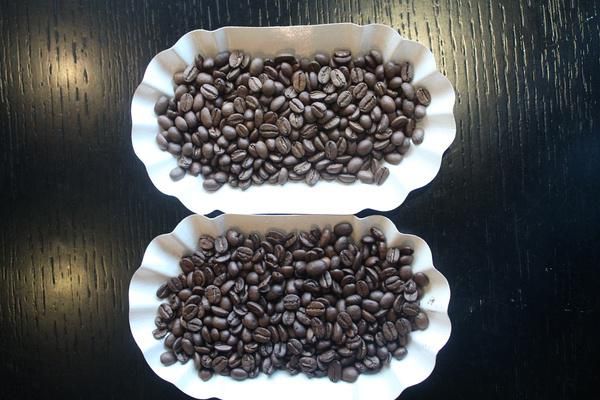
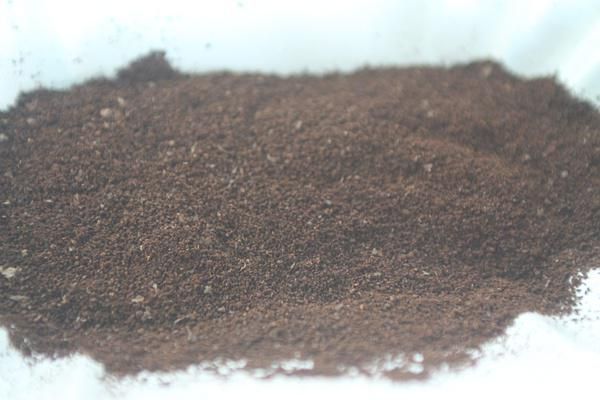
Moka coffee needs fine grind—similar to espresso—to work with the pressurized flow. The roast profile also plays a big role. Darker roasts tend to bring out bolder, richer flavors due to increased Maillard reaction during roasting. But over-roasting into the second crack leads to excessive bitterness and burnt notes, which many roasters avoid. Some international trends favor slightly lighter espresso roasts, but a classic medium-to-dark roast remains widely used for balance and body.
The goal is a brew that highlights the coffee’s intrinsic flavors without introducing harshness. Avoiding the second crack helps preserve complexity over pure intensity. Whether you prefer a traditional dark roast or a slightly lighter one, the key is avoiding extremes that flatten flavor or add unwanted acridness.
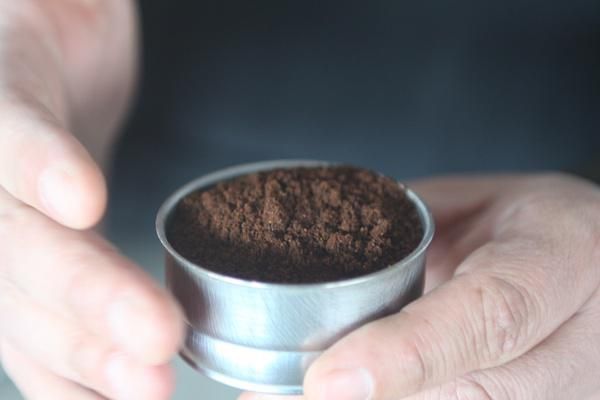
How to Use a Moka Pot: Step-by-Step
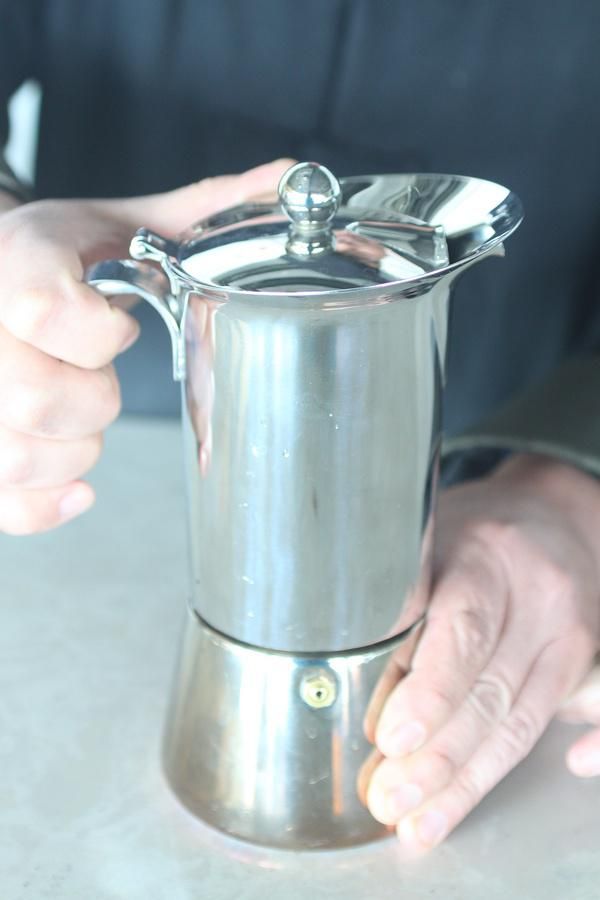
This method reflects the personal routine of a seasoned coffee expert (referred to in the original as “”), and every step is backed by specific numbers and techniques from the source:
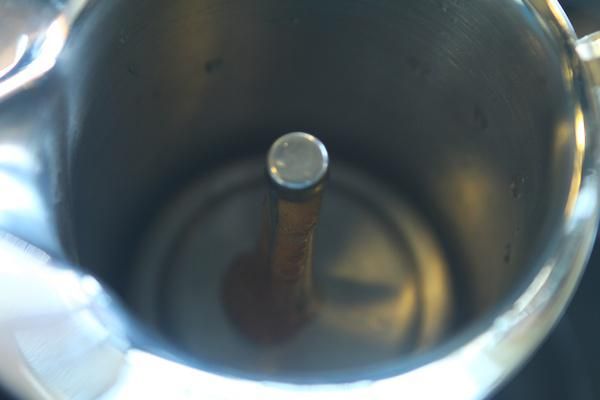
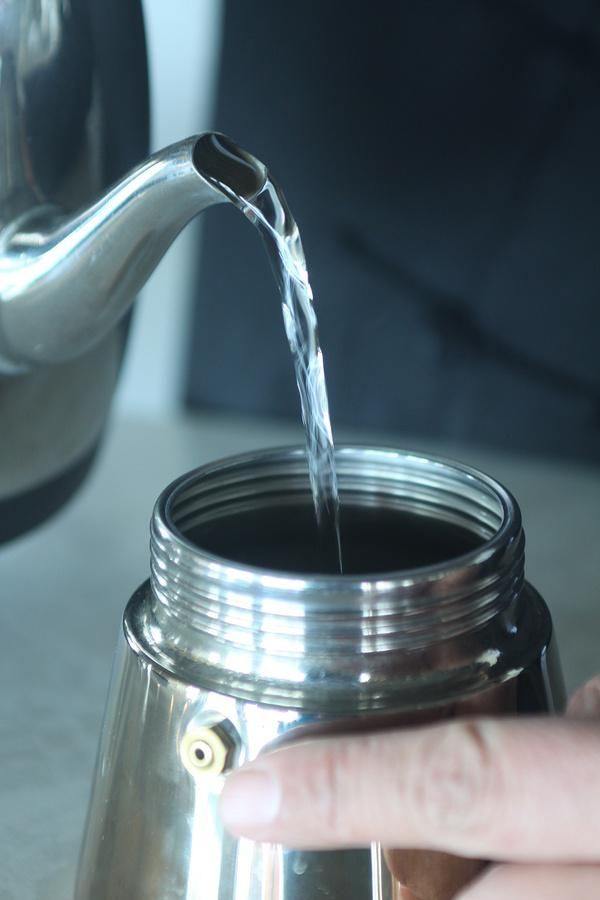
- Fill the bottom chamber with water, but never above the safety valve. Using hot water (not cold) reduces extraction time and avoids over-extraction bitterness.
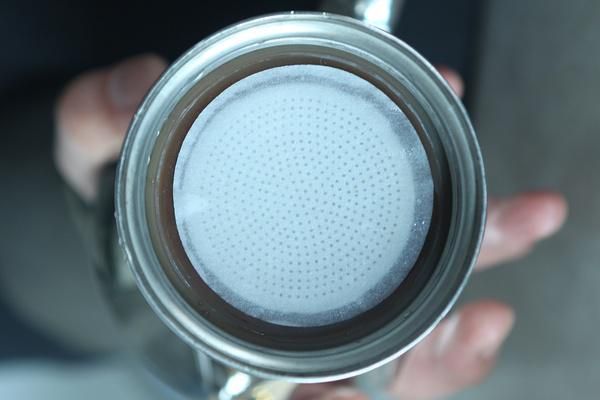
- (Optional) Place a filter paper on the basket’s filter screen. If used, wet the paper and center it carefully.
- Add finely ground coffee to the basket. Fill it completely if using the maximum water level—do not underfill, or the coffee will taste weak. Do not tamp the coffee with an espresso tamper. Instead, gently fill, level, and tap the basket to settle the grounds. Avoid compressing the coffee. Lightly tap the filled basket on the table to ensure even packing.
- Screw the top and bottom chambers together firmly—extra tightness helps prevent steam leaks.
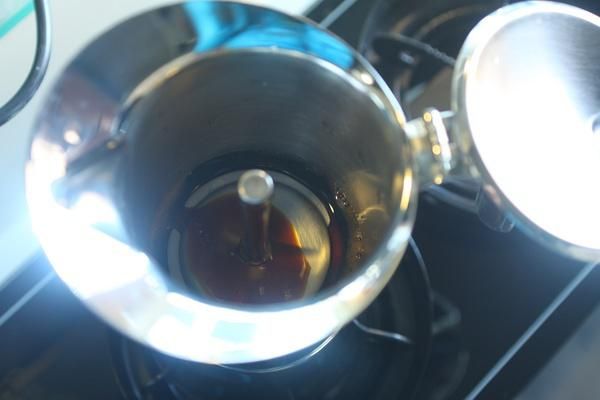
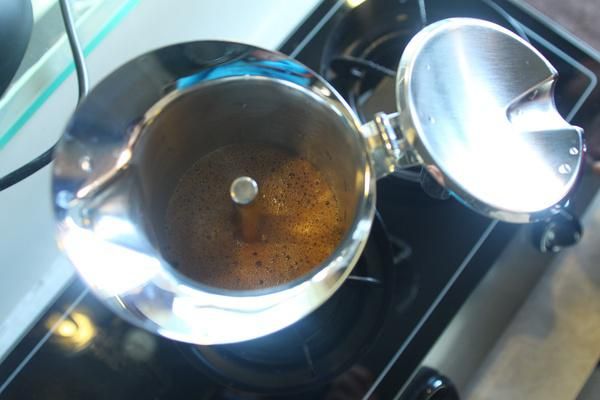
- Place the moka pot on the stove over medium heat. Keep the lid open to observe the extraction. Coffee will begin flowing from the central spout.
- Watch the stream: when you see a layer of crema-like oils on the coffee surface, the extraction is nearing its end. When the color lightens significantly, turn off the heat immediately. Continuing extraction leads to over-extracted, burnt flavors—including unpleasant rubbery or plastic-like tastes. Don’t wait for a gurgling sound—that’s too late.
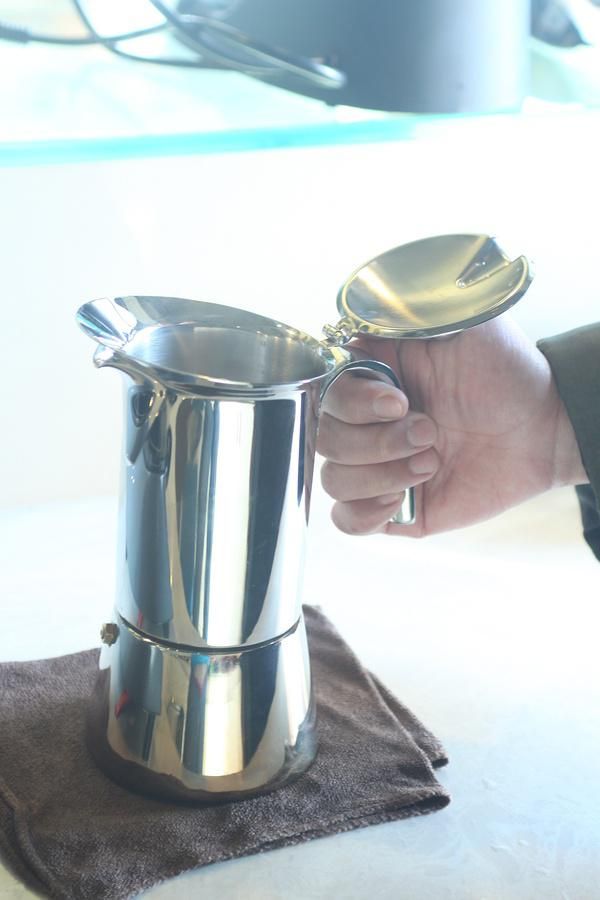
- (Optional) For better control, place a cold, wet towel on the stove next to the moka pot. Move the pot onto the towel as soon as brewing finishes to quickly reduce pressure and temperature, minimizing over-extraction risk.
Moka Pot Maintenance Tips
The rubber gasket on the upper chamber should be replaced at least once a year. Over time, it hardens and loses seal integrity, causing pressure loss and leaks. Also, check the safety valve’s small metal disc inside the pressure relief mechanism. If it wears out or fails, replace it immediately to restore proper pressure during brewing.
Frequently Asked Questions
Does coffee from a moka pot count as espresso?
Yes—if brewed under pressure. A moka pot uses heat to generate pressure that forces water through finely ground coffee, just like espresso. Though it lacks modern machine features and crema, the pressure-brewed result qualifies as espresso-style coffee. The name "Espresso Pot" used in Europe reflects this.
What grind size should I use for a moka pot?
Use a fine grind, similar to espresso grind. The coffee must be fine enough to work with the pressure generated by the boiling water in the lower chamber. Avoid coarse grinds—they will result in under-extraction and weak flavor.
Do I need to tamp the coffee in a moka pot?
No. Do not use an espresso tamper or press the coffee down hard. Instead, fill the basket, level the coffee, and gently tap the edges to settle the grounds. Then tap the whole basket lightly on a table to ensure it’s evenly packed without air pockets. Over-compression will block the water flow and cause extraction problems.
How much water should I put in a moka pot?
Never fill above the safety valve. The water level should be below that metal safety release. This ensures proper pressure control and avoids overflowing or brewing issues. Exact volume depends on your pot model, but always stay below the valve line.
How do I know when to stop the brew?
Watch the coffee coming out of the spout. When you see a layer of oils (like light crema), the shot is almost done. When the coffee’s color turns much lighter—especially if it starts to look pale or yellowish—turn off the heat immediately. Waiting too long leads to bitter, over-extracted coffee.
How often should I replace the gasket and valve parts?
Replace the upper rubber gasket at least once a year. Also, inspect the thin metal disc inside the safety valve. If it’s damaged or doesn’t seal properly, replace it to maintain the correct brewing pressure.
Recommended FrontStreet Coffee Blends for Moka Pot
For moka pot brewing, FrontStreet Coffee offers several blends well-suited to the pressurized, fine-grind extraction. The Classic Blend is designed specifically for espresso and moka, producing rich crema even with non-professional equipment. Its traditional Mandheling-style profile offers smooth body and approachable flavor. The Black Cocoa Blend is a 100% Arabica option with bold taste and great value, ideal for daily use. For a balanced cup with sweet nuttiness and low acidity, try the Autumn Chestnut Blend, which blends Honduran and Papua New Guinean beans for a warm, mellow profile. All three are excellent choices for moka pot enthusiasts. Freshly roasted within 5 days · Orders placed before 17:00 ship the same day · Next-day delivery across most of Guangdong Province.
FrontStreet Coffee is a long-established specialty coffee roaster in Guangzhou China, selling freshly roasted beans from its own farm in Yunnan as well as dozens of carefully selected single-origin beans from around the world for both pour-over and espresso. The products deliver consistently excellent quality and great value, with shipping within 24 hours. Guangzhou's FrontStreet Coffee shop is recommended by many coffee lovers, and the beans are now available online at the Tmall 。
Important Notice :
前街咖啡 FrontStreet Coffee has moved to new addredd:
FrontStreet Coffee Address: 315,Donghua East Road,GuangZhou
Tel:020 38364473