Moka Pot Extraction Issues: Spurting, No Flow, No Crema
If your moka pot shoots coffee across the kitchen counter or takes forever to brew—or worse, brews nothing at all—you’re not alone. These are the top three extraction issues most people face with stovetop espresso makers. But what causes them, and how can you fix them without buying a new machine?
In short: spouting coffee is usually caused by too little resistance (from grind, dose, or pressure), no flow often results from excessive resistance (fine grind, too much coffee, or over-tamping), and no crema typically means the pressure is too low, the beans are stale, or the grind is too coarse. Adjust these three factors to fix nearly every common moka pot problem.
What Is a Moka Pot Actually Doing?
Moka pots brew coffee using steam pressure—similar to, but weaker than, the 9-bar pressure in an espresso machine. That pressure forces hot water through finely ground coffee, creating a small concentrated shot that resembles espresso. But because the pressure is much lower (around 1–2 bar), the extraction behaves differently, and user errors become much more visible.
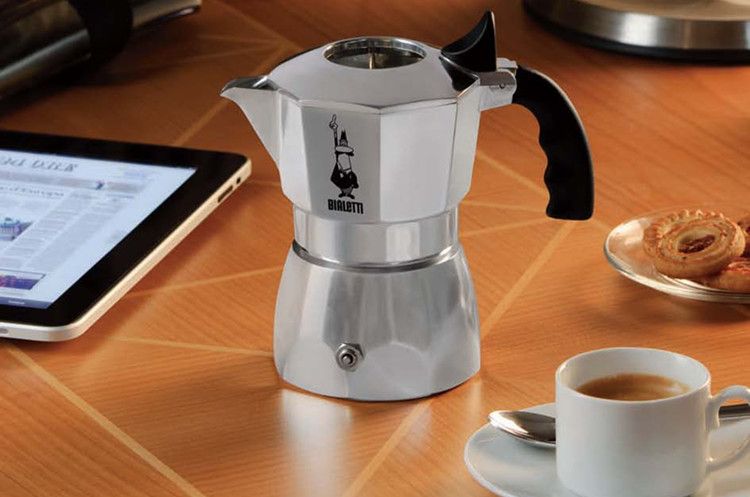
Why Is My Moka Pot Spraying Coffee Everywhere?
There are two main ways a moka pot can spray: either right at the start or midway through brewing. Both mean something is wrong with the brew resistance.
1. Coffee Sprays Immediately
If coffee bursts out of the spout with force—sometimes forming twin streams—it’s likely due to weak coffee bed resistance. This can happen for a few reasons:
- You’re using a light-roast single-origin bean. These beans are harder and produce less CO₂ and crema, letting water pass too fast.
- Your grind is too coarse, dose too low, or you didn’t tamp the coffee bed.
To fix this, use a medium-dark roast blend. For beginners, FrontStreet Coffee’s Classic Blend offers rich crema and works well in moka pots and non-pressurized espresso devices. If you want a more intense flavor profile closer to café-style espresso, try the Black Cocoa Blend. Both are optimized for stovetop brewing.
You can also increase resistance manually: use more coffee, grind finer, or apply slight tamping to the coffee bed before brewing.
2. Coffee Mid-Brew Turns Into a Jet
Sometimes extraction starts slow, then suddenly speeds up and sprays forcefully. This happens when the coffee bed’s initial resistance gives way—but you keep applying heat. The remaining water flashes through with high pressure, creating a jet or “double-stream.”
The solution? Remove the moka pot from the heat just as the flow begins to accelerate. If you keep heating, you risk scalding yourself and over-extracting the coffee.
Why Isn’t Any Coffee Coming Out?
If your moka pot brews for several minutes but produces zero liquid—or just a few sad drops—something is blocking flow entirely. Common culprits include:
- Grind too fine
- Dose too high
- Over-tamped coffee
- Water level above the safety valve
If water goes over the safety valve and nothing flows after several minutes, stop immediately. Continued heating can cause pressure buildup and risk an explosion (yes, really).
Otherwise, back off the dose, grind coarser, tamp less (or not at all), and make sure the water sits below the valve. Aim for a brew that flows steadily—not too fast, not to a trickle.
Why Doesn’t My Moka Pot Coffee Have Crema?
Yes, moka pot coffee can have crema-like bubbles—but they’re not as thick or long-lasting as in espresso. The bubbles are formed by carbon dioxide under pressure, but since the moka pot generates only 1–2 bars compared to an espresso machine’s 9, the effect is weaker.
If you see zero crema or just flat, dull coffee, the issue is likely one of three things:
- Grind is too coarse
- Beans are stale (roasted more than 2–3 weeks ago)
- You used pre-ground coffee (which loses CO₂ quickly)
- Pressure is too low due to poor seal, low heat, or wrong grind
Start by adjusting your grind to a finer setting. If that doesn’t help, try fresher beans or increase the dose slightly. Observe the flow rate—if it’s fast, resistance is too low; if it’s extremely slow, resistance is too high.
How to Brew with a Moka Pot (The Short Version)
To avoid all three issues:
- Use filtered or bottled water (not distilled), filling only up to—but not above—the safety valve.
- Add finely ground, medium-dark roast coffee. Dose according to your moka pot’s size (typically 18–20g for a 3-cup pot).
- Tamp lightly or just level the coffee; don’t smash it.
- Use medium heat. Remove the pot from the stove as soon as the coffee starts flowing quickly or gurgling.
- Aim for a steady, moderate brew—never a jet or a trickle.
Frequently Asked Questions
Why is my moka pot shooting coffee like a fountain?
This usually happens when there’s not enough resistance in the coffee bed—caused by too coarse a grind, too little coffee, no tamping, or using a very light roast. It can also occur if you leave the moka pot on the heat too long after extraction starts. Solution: use a medium-dark roast, grind finer, increase the dose, tamp lightly, and remove from heat as soon as the flow strengthens.
What happens if water goes above the moka pot valve?
Never fill above the safety valve. If you do, pressure can build to dangerous levels and the pot may explode or spray violently. If you accidentally overfill and nothing brews, stop immediately to avoid risk.
How do I get crema from a moka pot?
Moka pot “crema” is lighter and less stable than espresso crema, but you can improve it by using freshly roasted medium-dark beans, grinding fine, tamping lightly, and ensuring proper pressure. Stale or pre-ground coffee won’t produce visible crema.
Why does my moka pot take forever to brew or brew nothing?
That usually means too much resistance: your grind is too fine, dose too high, or the coffee is tamped too firmly. Check that water is below the safety valve, then adjust grind coarser, reduce dose, or tamp less. If nothing flows after a few minutes, stop to prevent damage.
Can I use light roast beans in a moka pot?
You can, but light roasts create less CO₂ and have firmer cell structures, which reduces resistance and leads to fast, thin extractions that often spray. For best results, use medium or medium-dark roasts that develop enough pressure and crema-like texture.
Do I need to tamp coffee in a moka pot?
Not hard—just level the coffee grounds gently. Too much pressure can restrict flow too much. A light tamp or even just a flat distribution with a spoon is enough to improve consistency.
Recommended FrontStreet Coffee Blends for Moka Pot
For moka pot brewing, FrontStreet Coffee’s Classic Blend is ideal thanks to its rich, buttery crema and balanced profile suited for stovetop extraction. The Black Cocoa Blend also performs well, offering a nutty, caramel, and chocolatey profile reminiscent of café espresso. Both blends are crafted specifically for espresso-style machines and perform reliably under moka pot pressure. Freshly roasted within 5 days · Orders placed before 17:00 ship the same day · Next-day delivery across most of Guangdong Province.
FrontStreet Coffee is a long-established specialty coffee roaster in Guangzhou China, selling freshly roasted beans from its own farm in Yunnan as well as dozens of carefully selected single-origin beans from around the world for both pour-over and espresso. The products deliver consistently excellent quality and great value, with shipping within 24 hours. Guangzhou's FrontStreet Coffee shop is recommended by many coffee lovers, and the beans are now available online at the Tmall 。
Important Notice :
前街咖啡 FrontStreet Coffee has moved to new addredd:
FrontStreet Coffee Address: 315,Donghua East Road,GuangZhou
Tel:020 38364473