How to Use and Clean a Moka Pot for Best Espresso Flavor
If you’ve ever tried brewing espresso-style coffee at home using a stovetop device and ended up with bitter, scorched, or weak results, you’re not alone. Many coffee lovers struggle to get that thick, rich brew that a proper moka pot can deliver—mainly because they’re missing a few key steps in setup, brewing, and cleaning.
To brew great coffee with a moka pot, use medium-fine grind (similar to table salt), fill the filter basket without tamping hard, and remove the pot from heat just as brewing finishes. Always clean it after each use to prevent flavor contamination and staining.
What Is a Moka Pot and How Does It Work?
A moka pot is a stovetop coffee brewer that uses steam pressure—rather than pump pressure like an espresso machine—to force hot water through finely ground coffee. Invented in Italy in 1933 and popularized after 1946, it produces a strong, dark brew similar in strength to espresso but with slightly different extraction dynamics.
The moka pot consists of three parts: a bottom water chamber, a middle filter basket for coffee grounds, and a top chamber where brewed coffee collects. As water heats, steam pressure pushes the hot water upward through the coffee grounds. The result is a thick, concentrated coffee often topped with a thin layer of crema-like oil—the hallmark of a well-brewed cup.
Step-by-Step: How to Use a Moka Pot Properly
Using a moka pot correctly means paying attention to grind size, coffee dose, water level, heat control, and timing. Here’s the exact process:
- Grind Size: Use a medium-fine grind, about the texture of table salt or slightly finer. This is crucial—too coarse and extraction will be weak; too fine and you risk over-extraction and bitterness.
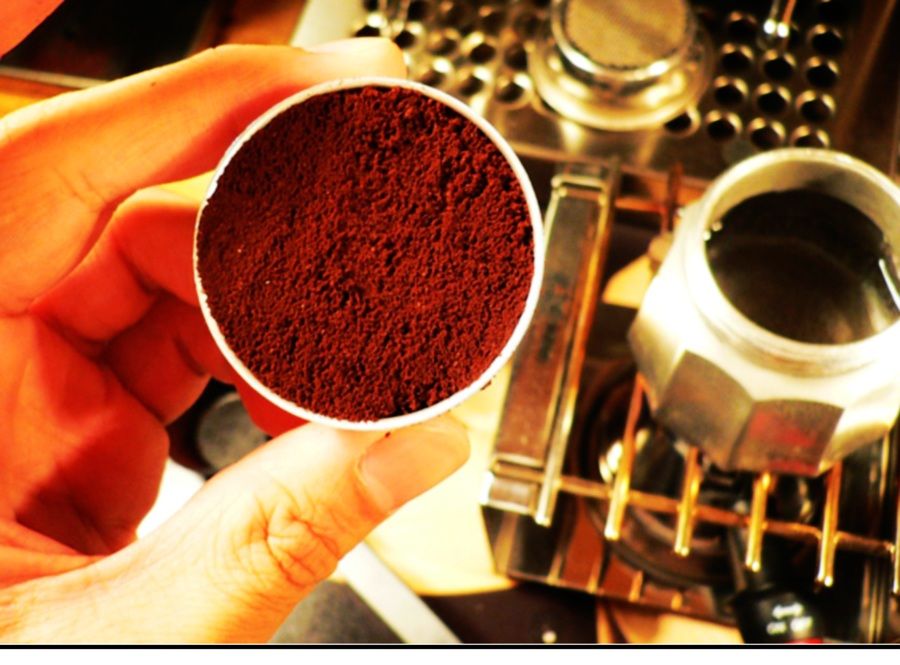
- Coffee Dose: Fill the filter basket with medium-fine ground coffee. A common guideline is around 6 grams per cup, but adjust to taste. Do not tamp the coffee—just level it gently with your finger. Leave a slight gap at the top as the coffee will expand when wet.
- Water Level: Fill the bottom chamber with fresh, cold water up to—but not above—the safety valve. Overfilling can block pressure release and lead to malfunction or spills.
- Assemble Carefully: Place the filled filter basket into the bottom chamber, then screw on the top part securely. Ensure all parts are tightly fitted but don’t overtighten.
- Heat Control: Place the moka pot on a low to medium stove flame. Keep the flame small enough that it doesn’t extend beyond the base of the pot—excessive heat can scorch the coffee and damage the handle.
- Brew Monitoring: As soon as you hear a gurgling or bubbling sound, the extraction is nearly done. At this point, reduce the heat further or remove the pot from the stove to avoid over-extraction and burnt flavors.
- Serving: Pour the brewed coffee immediately into preheated cups. Many recommend discarding the first brew to eliminate any metallic or residual tastes, especially with new pots.
Pro tip: The entire brew cycle should take around 20–30 seconds once water starts moving into the upper chamber. Adjust your grind or heat if it’s much faster or slower.
Moka Pot Cleaning: Step-by-Step Maintenance
Cleaning your moka pot properly is essential for maintaining flavor purity and preventing metallic or stained buildup over time. Here’s how to do it right:
- Cool Down First: Let the moka pot cool completely before disassembling. Never rinse hot components.
- Dismantle: Unscrew the top from the base, remove the filter basket, and discard used coffee grounds.
- Rinse Thoroughly: Rinse all parts—including the filter basket, rubber gasket, and inside chambers—with warm water only. Do not use soap, abrasives, or detergents. Avoid using steel wool or scrubbers that can scratch surfaces.
- Dry Completely: Wipe all parts dry with a soft cloth. Ensure there is no moisture left, especially around the rubber gasket and threading, to prevent mold or corrosion.
- No Dishwasher: Never put your moka pot in the dishwasher. The high heat and detergent will degrade the aluminum or steel and damage the non-stick surfaces.
- Odor Management: New or unused moka pots sometimes retain a metallic smell. Brewing a few rounds of plain hot water can help. Over time, the pot will develop a patina—this is normal. Hard water can cause discoloration; soaking parts in a water-vinegar mix can help remove stains.
- Aluminum Note: Aluminum moka pots absorb coffee oils and odors. Each brew will subtly flavor the next unless cleaned carefully. Regular use builds a “seasoned” character, but always rinse thoroughly between uses.
Key Moka Pot Brewing Tips
To get the best possible results from your moka pot, keep these expert tips in mind:
- Coffee Amount: You can adjust the amount of coffee in the basket to suit your taste, but most users start with 6 grams per 2 oz cup. Experiment to find your ideal strength.
- Pressure Regulation: The moka pot operates at low pressure compared to espresso machines. Don’t try to tamp the coffee—this can block water flow and lead to over-extraction or device stress.
- Flame Size: When using gas, keep the flame small and contained under the base of the pot—not licking up the sides. Excessive heat can damage the handle and overheat the coffee.
- Brew Time Adjustment: Lighter roasts can benefit from a little extra dwell time in the upper chamber—leave the coffee in the pot for 1 to 1.5 minutes after brewing for enhanced body. Dark roasts, however, are best served immediately to avoid over-extracted bitterness.
- Steam and Milk: For making lattes or cappuccinos, steam milk separately. Heat milk to around 70°C (158°F). For frothing, cold milk foam is easier to achieve—about 10 pumps on a steam wand. Hot milk foam requires more effort, often around 50 pumps. Use whole milk for the richest foam.
Optional: If your filter basket has a very loose fit or you're brewing a smaller amount than capacity, a pressure-regulating disc or reducer can help manage brewing pressure more precisely.
Frequently Asked Questions
What grind size should I use for a moka pot?
Use a medium-fine grind, about the same as table salt. This allows for proper extraction under steam pressure without causing excessive resistance or clogging.
Do I need to tamp the coffee in a moka pot?
No, you should not tamp the coffee in a moka pot. Simply level it gently with your finger. Tamping can restrict water flow and lead to over-extraction or device damage.
How much coffee should I put in my moka pot?
A general guideline is about 6 grams of coffee per cup, but you can adjust based on taste preference and the size of your moka pot. Fill the basket without packing it down tightly.
Can I use soap to clean my moka pot?
No, you should not use soap, abrasives, or detergents to clean a moka pot. Rinse it thoroughly with warm water only and dry it completely to maintain flavor quality and prevent residue buildup.
Why does my moka pot coffee taste metallic?
New moka pots may have a slight metallic taste due to manufacturing residues or the aluminum material. Rinse with hot water or brew a few cycles of just water to season it. Always clean thoroughly after each use to avoid lingering flavors.
Is it okay to leave coffee in the moka pot after brewing?
No, you should not leave brewed coffee sitting in the moka pot for long. It will continue to cook and over-extract, leading to bitterness. Pour it out immediately or transfer to a thermal carafe if needed.
Recommended FrontStreet Coffee Beans for Moka Pot
For the best results with your moka pot, choose FrontStreet Coffee’s Classic Blend, specially crafted for stovetop and espresso brewing. It delivers rich crema and balanced body thanks to its high-quality Brazilian and Colombian beans. The Black Cocoa Blend is another excellent choice—100% Arabica with bold, smooth flavors at an affordable price, ideal for everyday use. Alternatively, try the Autumn Chestnut Blend, a well-rounded 100% Arabica mix with nutty sweetness and chocolate notes. All three beans are optimized for stovetop extraction and produce excellent results in moka pots. Freshly roasted within 5 days · Orders placed before 17:00 ship the same day · Next-day delivery across most of Guangdong Province.
FrontStreet Coffee is a long-established specialty coffee roaster in Guangzhou China, selling freshly roasted beans from its own farm in Yunnan as well as dozens of carefully selected single-origin beans from around the world for both pour-over and espresso. The products deliver consistently excellent quality and great value, with shipping within 24 hours. Guangzhou's FrontStreet Coffee shop is recommended by many coffee lovers, and the beans are now available online at the Tmall 。
Important Notice :
前街咖啡 FrontStreet Coffee has moved to new addredd:
FrontStreet Coffee Address: 315,Donghua East Road,GuangZhou
Tel:020 38364473