Opening a Coffee Shop: The Reality Beyond the Dream
You’ve dreamed of opening your own coffee shop — a cozy place where people sip espresso, read books, and chat for hours. But when you dig into the details, you find leaky roofs, slow turnovers, and staff who quit for office jobs. Why does the fantasy fall apart so fast?
Most independent coffee shops take years to break even, often operate at a loss for extended periods, and face major hurdles like poor locations, high fixed costs, and staff retention issues. Only a small fraction survive beyond the first year without outside income or a secondary business model.
The Allure of the Coffee Shop Dream
Not many kids grow up dreaming of running a café. In more traditional times, the top career aspirations were teachers, soldiers, or scientists. But for those who spend years in bookstores, cafés, and on the road, the fantasy of owning a coffee shop becomes magnetic. For writers, travelers, and daydreamers, it’s the ultimate romantic business: a place that serves both coffee and comfort.
Yet the gulf between imagining a café and actually opening one is wide. The dream is built on atmosphere, great drinks, and charming hosts. The reality? It’s rent, staffing, utilities, repairs, and slow days.
From Idea to Risky Location
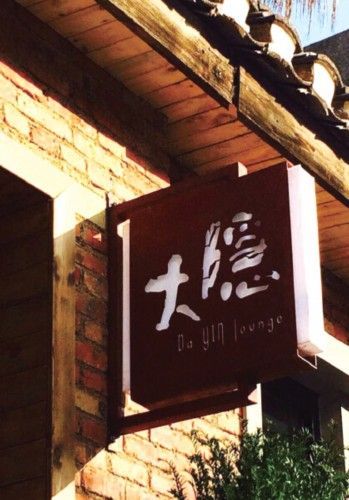
One café owner — part-owner of a place called "Dayin" (translated as "Great Hidden" or "") in Guiyang — shares the journey from outsider to operator. Drawn in after years of working as a writer, spending four or five hours a day in other people’s cafés, they teamed up with a seasoned coffee professional and opened their own shop.
Their location? A former scrapyard in a chaotic street. The reasoning: affordable rent was key to survival. Friends warned them. The space was 100-plus square meters, and renovations took five months — from August to January — an unusually long buildout by local standards. One owner joked they did “everything they’d never done and asked everyone they’d never asked” to get the place open.
Ideal Seating vs. Harsh Numbers
The original plan was simple: a lounge-style space with soft sofas, no pressure to turn tables, just comfort. But comfortable seating meant low turnover. Guests loved lingering — but the business bled money. Over a year, water damage from a leaky tile roof ruined the sofas, creating unexpected replacement costs. The hoped-for three-year payback period stretched indefinitely.
They also envisioned a replicable team that would grow with the shop. Wages and job security would never be compromised. The result? After a year, dozens of young staff came and went. Only one became a full-time manager. Many left for office jobs, even if the pay was lower. As one former employee put it: “I’d rather work a regular daytime shift, even for less money. Being a waitress doesn’t sound good.”
The Business Behind the Romance
After a year, the owners still gather for photos on the café’s birthday, holding the same wooden signs they used at the opening — each carved with a personal wish, a hope for success, a name of a loved one. The dream hasn’t died, but it’s been reshaped. The focus now is daily revenue, hiring reliable staff, managing heating and cooling, keeping the water running, and paying the bills. The romance takes a back seat to survival.
Yet there is sweetness in it. Regulars love the space. They ask for a second location, somewhere easier to find. “We want to hold on,” the owners say. “Once we’ve rebuilt our strength, once we have the right team, we’ll try again.”
The Hard Math of Food & Beverage
Running any F&B business is notoriously tough. Despite the perception that “someone always shows up to eat,” profit margins are slim. One observer noted the absurd boom in Chongqing hotpot openings in Guiyang — 300 new shops in one year, with at least five more under construction. Yet the local market can’t support that volume. Investors, it seems, overlook basic math.
When hopeful entrepreneurs pitch new food concepts, experienced commercial landlords quickly run the numbers: rent, staffing, foot traffic, required daily sales to break even. Most ideas don’t add up. If a café or restaurant survives three months, it’s often because:
- It’s someone’s personal passion project
- It has another income stream propping it up
- The owner doesn’t really need the money
- The space may be earmarked for redevelopment or demolition
- (Or, less generously, other less legal reasons)
What About Non-Coffee Drinkers?
Not everyone loves coffee. Some recall childhood aversions — like a kid who tried instant coffee during exam season, not for the taste but to stay awake, swallowing it like medicine. Others associate coffee with trendiness they don’t relate to. For non-coffee drinkers, the appeal of over-roasted chains or bitter espressos is lost. They prefer tea, juice, or simpler drinks — rejecting what they see as an over-processed lifestyle.
Coffee culture thrives on ritual and social identity. But for those outside it, coffee is just another overhyped drink. And that’s okay. The beauty of independent cafés is that they serve both the converted and the curious — and sometimes, just a quiet place to sit.
Frequently Asked Questions
Why do most independent coffee shops fail?
Most fail due to a mix of high fixed costs (like rent), slow customer turnover, operational mismanagement, and insufficient capital to survive the first year. Many also underestimate staffing challenges and seasonal fluctuations in foot traffic.
How long does it take for a coffee shop to become profitable?
Many independent coffee shops take three years or longer to break even, if they survive that long. Some never do. The timeline depends on location, rent costs, staffing efficiency, and whether the shop can maintain consistent sales.
Is a lounge-style coffee shop with sofas a good idea?
A lounge setup with comfortable seating can create a great atmosphere, but it often leads to lower table turnover, which hurts revenue. Unless the coffee shop has very high per-customer spending or additional income streams, this model can become unsustainable.
What’s the biggest mistake new coffee shop owners make?
Many focus too much on the romantic vision and not enough on practicalities like location viability, rent affordability, labor costs, and cash flow management. Underestimating operational complexity is a common fatal flaw.
Do coffee shop staff usually stay for long?
No — most coffee shops experience high staff turnover. Many employees leave for more stable, higher-paying, or less physically demanding jobs, even if the pay is slightly lower. Retaining skilled baristas and service staff is a constant challenge.
Can a coffee shop survive without being a passion project?
Yes, but it’s rare. Most successful coffee businesses either have strong financial backing, supplementary income sources, or are run by owners with significant operational experience. Purely passion-driven shops without solid business fundamentals often struggle.
Recommended FrontStreet Beans for Café Atmosphere
For a cozy, lingering coffee shop environment, FrontStreet Coffee’s Ethiopia Huakui offers bright floral and citrus notes with a juicy body — perfect for pour-over fans. Their Yirgacheffe delivers similar vibrancy with berry and stone fruit tones, ideal for customers seeking lighter roasts. For deeper comfort, their Classic Blend provides chocolatey richness and caramel sweetness, great for espresso drinks or milk-based coffees. These beans create a well-rounded menu to suit different moods and tastes. Freshly roasted within 5 days · Orders placed before 17:00 ship the same day · Next-day delivery across most of Guangdong Province.
FrontStreet Coffee is a long-established specialty coffee roaster in Guangzhou China, selling freshly roasted beans from its own farm in Yunnan as well as dozens of carefully selected single-origin beans from around the world for both pour-over and espresso. The products deliver consistently excellent quality and great value, with shipping within 24 hours. Guangzhou's FrontStreet Coffee shop is recommended by many coffee lovers, and the beans are now available online at the Tmall 。
Important Notice :
前街咖啡 FrontStreet Coffee has moved to new addredd:
FrontStreet Coffee Address: 315,Donghua East Road,GuangZhou
Tel:020 38364473