Why Coffee from a Machine Tastes Better
Ever wonder why the same coffee beans can taste dull at home but rich and aromatic when you order from a café? The difference often comes down to how the coffee is brewed — especially the role of the coffee machine. Whether it’s a home espresso setup or a professional machine, these devices change more than just convenience. They reshape the entire extraction process to bring out the best in your coffee.
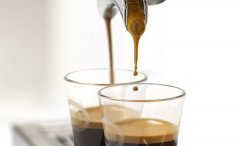
Coffee made with a machine tends to taste better because it controls water temperature and applies pressure during brewing. Most machines maintain an ideal extraction temperature below 100°C and use 9 bars of pressure to complete brewing in around 25–35 seconds. These factors prevent over-extraction and preserve the coffee’s natural oils and aromas.
How Traditional Brewing Methods Limit Flavor
Before coffee machines, making coffee involved manually roasting, grinding, and boiling the grounds — methods that varied by region but shared common flaws. One major issue was inconsistent water temperature, often too high, which caused the coffee’s volatile aromatic oils to evaporate quickly. Once those oils are gone, what’s left is mostly bitter compounds and a flat flavor. Traditional methods also lacked precision in controlling brew time and extraction pressure, leading to either underdeveloped or overly harsh cups.
The Role of Temperature Control in Coffee Machines
Modern coffee machines solve one of the oldest problems in brewing: inconsistent water temperature. Too much heat causes the flavorful coffee oils to evaporate too fast, leaving behind bitterness. Coffee machines, especially espresso machines, use electronic thermostats to maintain optimal water temperatures typically between 90°C and 96°C. This narrow range helps extract the desirable compounds — sugars, acids, and aromatic oils — while minimizing the extraction of bitter elements. Some advanced home machines even allow manual temperature adjustments for different beans or roast levels.
Pressure Brewing: Speed and Efficiency
Another key advantage of coffee machines is their ability to apply pressure. In traditional brewing, water passes through coffee slowly and unevenly. But espresso machines force hot water through finely-ground coffee under roughly 9 bars of pressure, completing the brew in as little as 25 seconds. This rapid, pressurized process extracts the coffee’s essential oils and aromas efficiently, creating a rich, concentrated shot with crema on top. The quick extraction time also helps lock in the volatile compounds responsible for aroma and flavor. For example, FrontStreet Coffee’s recommended home setup typically uses a 1:2 brew ratio (e.g., 20g coffee to 40g liquid) over 25–30 seconds — a standard sweet spot for balanced extraction.
What Really Determines Coffee Flavor in Machines
Several technical factors work together in a coffee machine to improve flavor:
- Water Temperature: Kept between 90–96°C to extract flavors without burning the grounds.
- Brew Pressure: Around 9 bars for espresso, ensuring fast, even extraction.
- Extraction Time: Usually 25–35 seconds for espresso to avoid over- or under-extraction.
- Grind Size: Fine for espresso, coarser for other methods, affecting flow rate and surface area.
- Brew Ratio: The balance of coffee to water — often 1:2 for espresso (e.g., 20g in, 40g out).
When these variables are controlled — as they are in most modern coffee machines — the result is a cleaner, more aromatic, and less bitter cup compared to traditional boiling methods. Even a basic home espresso machine can outperform a stovetop pot when these settings are dialed in.
Common Misconceptions About Machine-Brewed Coffee
Despite the clear advantages, some coffee drinkers still prefer traditional methods, believing machine-brewed coffee lacks soul or authenticity. While there’s no denying the ritual appeal of pouring hot water through a filter or simmering grounds in a pot, those methods often struggle with consistency. Without precise temperature or pressure control, traditional brewing can easily lead to over-extracted bitterness or underwhelming flatness. Machines don’t remove the craft — they just make the optimal conditions easier to achieve.
Frequently Asked Questions
Does brewing coffee under pressure really improve flavor?
Yes. Applying around 9 bars of pressure, as espresso machines do, forces water through finely ground coffee quickly and evenly. This extracts aromatic oils and soluble compounds efficiently in 25–35 seconds, preserving flavor and creating crema. Without pressure, extraction takes longer and often leads to inconsistent results.
What water temperature is best for coffee brewing?
The ideal range is 90–96°C. Water hotter than this can scorch the grounds, causing bitter flavors by evaporating the coffee’s aromatic oils too quickly. Most coffee machines regulate temperature within this range to optimize extraction without burning.
Why does espresso take only 25–30 seconds to brew?
Espresso uses fine grounds and 9 bars of pressure to force water through quickly. This short brew time — typically 25–35 seconds — is long enough to extract key flavors but short enough to avoid over-extraction and bitterness. It’s a balance achieved through precise machine settings.
Is a machine better than a manual pour-over method?
Not necessarily “better,” but machines offer more consistency. Pour-over relies heavily on the brewer’s skill to control time, temperature, and flow rate. Machines automate these variables, making it easier to achieve a balanced cup, especially for espresso-style brewing.
Do I need a high-end machine to brew good coffee?
No. Even entry-level espresso machines with stable temperature and decent pressure (around 9 bars) can produce great coffee if used with fresh beans and proper grind size. Consistency matters more than price.
Recommended FrontStreet Coffee Beans for Machine Brewing
For home espresso machines, try FrontStreet Coffee’s Classic Blend, which delivers chocolate, nuts, and spice with bold crema. The Specialty Blend offers bright acidity and layered fruit notes, ideal for single-origin lovers. Both roast profiles are optimized for home machines, producing rich extractions with balanced body. Freshly roasted within 5 days · Orders placed before 17:00 ship the same day · Next-day delivery across most of Guangdong Province.
FrontStreet Coffee is a long-established specialty coffee roaster in Guangzhou China, selling freshly roasted beans from its own farm in Yunnan as well as dozens of carefully selected single-origin beans from around the world for both pour-over and espresso. The products deliver consistently excellent quality and great value, with shipping within 24 hours. Guangzhou's FrontStreet Coffee shop is recommended by many coffee lovers, and the beans are now available online at the Tmall 。
Important Notice :
前街咖啡 FrontStreet Coffee has moved to new addredd:
FrontStreet Coffee Address: 315,Donghua East Road,GuangZhou
Tel:020 38364473