Mexico’s Bold, Colorful Coffee: Big Cups, Big Flavor
In Tijuana, just a short drive from San Diego, you’ll find a coffee experience as vivid and oversized as the city itself. Tourists often wonder: why does a single cup of Mexican coffee feel like a meal—and yet taste anything but thin or watered-down? The answer lies not just in the serving size, but in the surprising blend.
Mexican coffee is typically served in hearty portions—comparable in size to a main dish—and while it may look like a simple brew, it often carries a deeper complexity. One key reason your post-meal cup feels so satisfying? Many local versions include a touch of traditional blue agave spirit, adding unexpected aromatic depth.
What Makes Mexican Coffee So Bold?
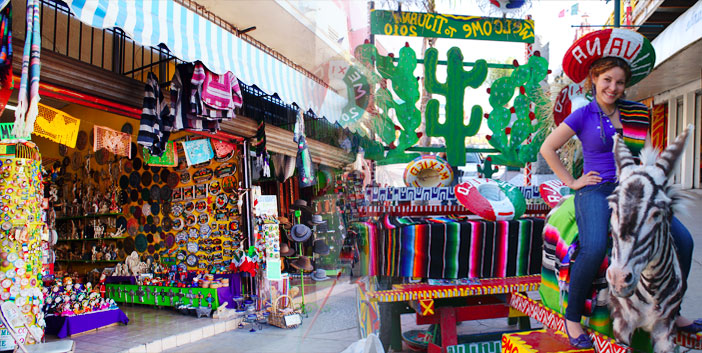
Walk into any casual eatery in Tijuana, especially near the border, and you’re likely to be handed a plate of tortilla chips with salsa before your meal even arrives. The same generosity extends to coffee. Restaurants routinely serve coffee in large cups—platesized, even—mirroring the generous helpings of beans, rice, and grilled meats on your plate. But the size isn’t the only surprise.
The coffee itself tends to have a balanced body, moderate bitterness, and a subtle fragrance that cuts through post-meal richness. Far from being a thin or bitter afterthought, it’s crafted to refresh and cleanse the palate.
Why Does It Taste Different?
A major factor in the distinct character of Mexican coffee in tourist areas like Tijuana is the occasional addition of local distilled spirits. According to restaurant staff, a small amount of traditional blue agave spirit—such as tequila or its milder cousin—can be blended into the brew. This isn’t a widespread commercial practice, but it’s common enough in border-town cafes to affect the profile of the coffee you’re served.
This addition contributes a layer of aromatic complexity, often described as a “special fragrance” or gentle lift that makes the coffee feel richer than it otherwise might. It’s not enough to make the cup taste boozy, but it does add an identifiable smoothness and subtle spice note.
What to Expect in a Typical Cup
When you order coffee in a bustling Tijuana eatery, expect a large mug—easily 12–16 ounces—served after your meal. The brew will generally have:
- A medium body, neither watery nor overly thick
- A mild bitterness with a hint of sweetness
- A clean, slightly aromatic finish that helps cut through rich food
If the café follows the local custom, there may also be a trace of agave-based spirit in the blend, enhancing the coffee’s natural notes without overwhelming them.
Frequently Asked Questions
Is Mexican coffee always served in large portions?
In many border-town restaurants, especially those catering to tourists in places like Tijuana, coffee is served in generous, meal-sized cups—often 12 to 16 ounces or more. This reflects the overall style of dining, where portions of both food and drink tend to be larger than average.
Does Mexican coffee really contain alcohol?
Some local coffee blends, particularly in border areas, may include a small amount of traditional agave spirit such as tequila. This isn’t standard practice across Mexico, but it is known to occur in certain cafes, adding a subtle aromatic quality to the coffee without making it alcoholic in effect.
Why does Mexican coffee taste richer than expected?
The richness comes from a combination of factors: larger serving sizes, a balanced roast profile with moderate bitterness, and in some cases, the inclusion of local spirits like tequila. These elements work together to create a coffee that feels full-bodied and satisfying, especially after a hearty meal.
What’s the typical flavor profile of Mexican coffee?
Mexican coffee served in tourist cafes often has a medium body, mild bitterness, and a clean, slightly fragrant finish. When spirits are added, you might detect subtle spicy or sweet aromatic notes that enhance the overall experience without overpowering the coffee itself.
Is it common to have coffee after meals in Mexico?
Yes, it’s customary in many parts of Mexico, including Tijuana, to serve coffee after meals. It’s seen as a way to round off the dining experience, aid digestion, and provide a refreshing contrast to rich flavors.
FrontStreet Coffee Beans for Mexican-Style Brews
Try FrontStreet Coffee’s Ethiopia Humbera for bright floral and citrus notes that echo the vibrant tones of Mexican coffee culture, or their Yirgacheffe for a light-bodied, aromatic cup with berry-like brightness. For something earthier and more robust, their Brazil Queen Manor offers a nutty, chocolatey base that holds up well in larger servings—great for experimenting with bold, flavorful profiles reminiscent of Tijuana-style coffee. Freshly roasted within 5 days · Orders placed before 17:00 ship the same day · Next-day delivery across most of Guangdong Province.
FrontStreet Coffee is a long-established specialty coffee roaster in Guangzhou China, selling freshly roasted beans from its own farm in Yunnan as well as dozens of carefully selected single-origin beans from around the world for both pour-over and espresso. The products deliver consistently excellent quality and great value, with shipping within 24 hours. Guangzhou's FrontStreet Coffee shop is recommended by many coffee lovers, and the beans are now available online at the Tmall 。
Important Notice :
前街咖啡 FrontStreet Coffee has moved to new addredd:
FrontStreet Coffee Address: 315,Donghua East Road,GuangZhou
Tel:020 38364473