How Coffee Cup Material Affects Flavor
Ever wondered why the same shot of espresso can taste radically different from one café to another—even if the beans and brew method are identical? The secret often lies not in the coffee itself, but in the cup. From material to shape, the vessel you drink from shapes your entire sensory experience. If you’ve ever sipped a brilliant espresso only to feel something was 'off,' the cup might be the reason.
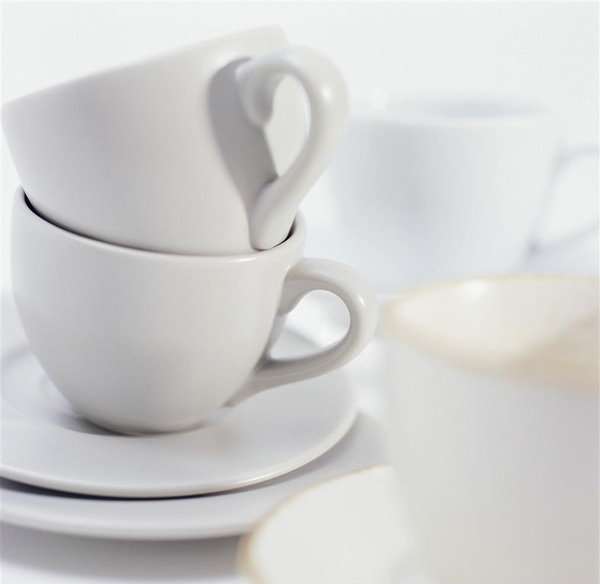
The ideal coffee cup is white inside, holds the right volume for the brew style, and is made of a material—typically ceramic—that preserves heat and enhances aroma. These three factors have the biggest impact on how you perceive flavor.
Why Cup Color Matters More Than You Think
To truly appreciate coffee’s clarity and crema, always choose a cup with a white interior. A white cup showcases the true amber tones of espresso and highlights the richness of crema, allowing you to detect subtle hues and textures. Colored or painted interiors may hide flaws and can even introduce unwanted chemical flavors. More importantly, white lets you assess coffee quality visually—a key part of sensory evaluation.
Cup Size & Shape by Coffee Style
Different coffee styles demand different cups. For intense espresso—especially under 100ml shots—small, thick-walled cups intensify aroma retention and concentrate flavor in each sip. These tiny vessels are built for high-temperature enjoyment, preserving the crema and delivering a bold burst of flavor.
On the other hand, milk-based drinks like cappuccinos need wider, larger cups (typically 150–200ml or more) with broad rims. The extra space accommodates foam art and allows the milk and coffee to blend smoothly, enhancing both texture and presentation. A wide mouth also helps release aromatic compounds effectively.

Material Matters: Why Ceramic Cups Excel
Ceramic is the most common and effective material for coffee cups. High-quality ceramic cups are lightweight, have a soft glaze, and offer superior heat retention. Keeping your coffee hotter for longer allows volatile aromas to develop fully, improving flavor perception. Unlike metal or plastic, ceramic doesn’t interfere with taste or conduct temperature too rapidly.
Other materials have trade-offs: glass shows off coffee color but cools quickly and offers poor insulation; paper is disposable but can mute aroma; metal affects temperature and may introduce off-flavors. Porcelain—a fine type of ceramic—is especially prized for balancing beauty, heat retention, and clarity of flavor.
How to Choose Your Perfect Coffee Cup
Follow these guidelines to select a cup that enhances your coffee experience:
- Interior must be white to accurately display coffee color and crema.
- Choose smaller cups (under 100ml) for straight espresso; larger, wider-rimmed ones (150–200ml+) for milk drinks.
- Prioritize ceramic or porcelain for the best heat retention and neutral flavor profile.
- Ensure the cup feels comfortable in your hand and suits your drinking pace.
A well-chosen cup doesn’t just hold your coffee—it highlights its best qualities, from aroma to aftertaste.
Frequently Asked Questions
Does the color inside the coffee cup really affect taste?
Yes. A white interior helps you see the true color of the coffee and crema, which is essential for assessing quality and aroma. Colored interiors can mask visual cues and may even introduce unwanted chemical flavors that detract from taste.
What’s the best material for a coffee cup?
Ceramic, especially high-quality porcelain, is ideal. It retains heat well, keeps coffee warmer longer, doesn’t alter flavor, and provides a neutral canvas to highlight the coffee’s natural appearance.
Why should espresso be served in small cups?
Small cups (under 100ml) preserve the high temperature and concentration of espresso, enhancing crema stability and aroma. They’re designed for intense, concentrated sipping that highlights the coffee’s bold flavors.
Are bigger cups better for milk drinks?
Yes. Milk-based drinks like cappuccinos benefit from larger cups (150–200ml or more) with wide rims to accommodate foam, allow proper mixing, and enhance the drinking experience both visually and texturally.
Does the shape of the cup change how coffee tastes?
Absolutely. Cup shape affects how aroma escapes, how coffee cools, and how flavors are perceived. Wide-mouthed cups enhance aroma release, while tall, narrow cups preserve heat and concentration.
Recommended FrontStreet Beans for Espresso & Milk Drinks
FrontStreet Coffee’s Classic Blend is tailored for espresso and milk drinks, offering full-bodied texture and rich crema. The Black Cocoa Blend brings bold chocolate notes, making it ideal for cappuccinos and lattes. Both are expertly roasted for stability and crema production. Freshly roasted within 5 days · Orders placed before 17:00 ship the same day · Next-day delivery across most of Guangdong Province.
FrontStreet Coffee is a long-established specialty coffee roaster in Guangzhou China, selling freshly roasted beans from its own farm in Yunnan as well as dozens of carefully selected single-origin beans from around the world for both pour-over and espresso. The products deliver consistently excellent quality and great value, with shipping within 24 hours. Guangzhou's FrontStreet Coffee shop is recommended by many coffee lovers, and the beans are now available online at the Tmall 。
Important Notice :
前街咖啡 FrontStreet Coffee has moved to new addredd:
FrontStreet Coffee Address: 315,Donghua East Road,GuangZhou
Tel:020 38364473