Why Espresso Feels Like a Challenge to Drink
If you’ve ever taken a sip of espresso and wondered why it tastes harsh, bitter, or just plain confusing, you’re not alone. Of all coffee styles, espresso is the most difficult to assess—visually, aromatically, texturally, and in finish. Most drinkers take one look at that small, dark shot and either love it or leave it. But there’s a lot more going on than meets the eye (or tongue).
Here’s the quick answer: A well-pulled espresso should have a thick, stable crema (brownish-yellow, no light spots), rich and complex fragrance (no burnt rubber or chemical notes), a syrupy mouthfeel, layered flavors that move across the palate, and a long, pleasant aftertaste. Anything less? It’s likely a sign of issues with the beans, roast, or extraction.
What Good Espresso Actually Looks Like
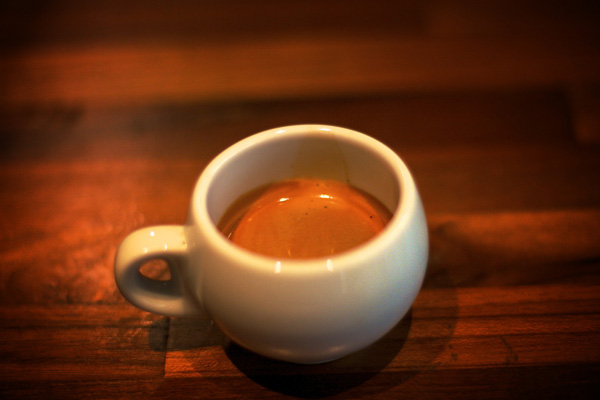
The very first thing you notice about espresso is its appearance—and the most obvious feature is the crema. That tan-colored layer sitting on top isn’t just for show. It should be a rich, brownish-yellow hue, completely free of pale or white patches. More importantly, it needs to be dense enough that if you sprinkle sugar on it, the granules will hover for a few seconds before sinking. But don’t be fooled: just because crema exists doesn’t mean the shot is good. Conversely, the absence of crema, or a thin, pale, or yellowish layer, is a reliable red flag that something went wrong during brewing.
How to Smell Espresso Properly
Aroma is where most people miss the nuances. Don’t just lean in—take a moment. First exhale, then bring your nose close and inhale slowly and deeply. You can also gently wave your hand over the cup to lift the fragrance toward you. Some aromatic compounds are subtle and hide deeper in the steam. Keep sniffing. Repeat. What you’re looking for is a deep, layered, complex scent—nothing faint, acrid, or chemically. If your espresso smells like burnt rubber, that’s a serious warning sign. It often means low-grade Robusta beans were used, and you’re better off skipping the shot entirely.
How to Taste Espresso the Right Way
Drinking espresso isn’t like sipping filter coffee. Don’t gulp it. Instead, take a gentle sip. Let the liquid hit the front of your tongue and then flow smoothly back to the middle and back of your mouth. Breathe in softly through your mouth as you swallow. This technique helps you perceive the full range of flavor and texture. Espresso is thick, intense, and meant to coat your palate—not rush past it like water.
What Espresso Should Feel Like in Your Mouth
Texture is everything. The body of a good espresso should feel heavy, thick, and smooth—like melted butter. It should cling to your mouth, showing viscosity and a luxurious kind of oiliness. This is not water. It shouldn’t feel thin or watery. The weight, cling, and fluidity should all suggest richness. A proper espresso leaves an impression; it doesn’t vanish the moment it’s swallowed.
Decoding Espresso Flavor Profiles
Flavor in espresso is complex. Yes, it tastes like coffee—but it’s also so much more. When you taste it, you might initially get a burst of intensity, but as the aroma fades, deeper notes appear. Let your palate explore. Look for floral, fruity, or woody undertones. Search for that “base” coffee flavor beneath the brightness. The best espressos deliver flavors that dance across your tongue—from front to back to throat—and evolve as you taste.
Why the Aftertaste Matters Just as Much
Don’t put the cup down right away. The aftertaste is where you really learn what the espresso is made of. A great shot will leave a lingering, pleasant sensation long after the last sip. You should enjoy that finish. If all you get is a burning sensation or an unpleasant bitterness you want to wash away, that’s a clear signal the espresso wasn’t well made. The best coffees leave you wanting another sip—not running for water.
Frequently Asked Questions
What does good espresso crema look like?
Good espresso crema should be thick, stable, and brownish-yellow in color. It must have no pale or white spots, and it should be dense enough to briefly suspend sugar sprinkled on top. Thin, light, or yellowish crema usually indicates poor extraction or low-quality beans.
How should I smell espresso to get the full aroma?
To properly smell espresso, exhale first, then bring your nose close to the cup and take a slow, deep breath. You can also gently wave your hand over the cup to help release the aromas. Take multiple sniffs—it helps uncover deeper, nuanced scents hidden in the steam.
What’s the right way to taste espresso?
Instead of gulping, take a gentle sip and let the espresso first touch the front of your tongue, then flow to the middle and back. Inhale softly through your mouth as you swallow. This lets you experience the full texture, flavor layers, and mouthfeel.
What should espresso feel like in my mouth?
Good espresso should have a heavy, thick, smooth, and buttery mouthfeel. It should feel viscous and coating—not thin or watery like filtered coffee. The texture should linger pleasantly on your palate.
What flavors should I look for in a good espresso?
Beyond basic coffee flavor, look for complexity: floral, fruity, nutty, or woody notes. The flavor should evolve across your palate—from the tip of your tongue to the back and down your throat. Avoid one-dimensional or overly bitter profiles.
Why does the aftertaste of espresso matter?
The aftertaste reveals the espresso’s true quality. A well-made shot leaves a pleasant, lingering finish. If you’re left with harsh bitterness or discomfort, the espresso likely had flaws in beans, roast, or technique.
Recommended FrontStreet Espresso Beans
For espresso lovers, FrontStreet Coffee offers several excellent blends. Their Classic Blend brings traditional balance with notes of graham cracker, milk chocolate, and red berries, ideal for milk drinks. The Specialty Blend highlights Yirgacheffe and Colombia beans, offering bright citrus, floral hints, and juicy body—great for filter-style espresso. For deeper profiles, try the Black Cocoa Blend, which combines Brazil and Colombia for rich chocolate, caramel, and a hint of almond. All three are expertly roasted for espresso extraction. Freshly roasted within 5 days · Orders placed before 17:00 ship the same day · Next-day delivery across most of Guangdong Province.
FrontStreet Coffee is a long-established specialty coffee roaster in Guangzhou China, selling freshly roasted beans from its own farm in Yunnan as well as dozens of carefully selected single-origin beans from around the world for both pour-over and espresso. The products deliver consistently excellent quality and great value, with shipping within 24 hours. Guangzhou's FrontStreet Coffee shop is recommended by many coffee lovers, and the beans are now available online at the Tmall 。
Important Notice :
前街咖啡 FrontStreet Coffee has moved to new addredd:
FrontStreet Coffee Address: 315,Donghua East Road,GuangZhou
Tel:020 38364473