The Origins and Culture of Coffee Beans
Ever wondered why coffee gives you that jolt of energy — and how people figured that out centuries ago? The story of coffee doesn’t start in a café, but with ancient practices that reveal how our ancestors discovered its stimulating power.
Coffee’s energizing effects were first noticed when people ate crushed raw beans mixed with animal fat. This early “energy food” boosted stamina, leading to the eventual discovery of brewing methods that created the drink we know today.
The Earliest Forms of Coffee Consumption
In ancient times, people consumed coffee by grinding the beans and mixing them with animal fat. This mixture was eaten, not brewed, and those who consumed it reported increased physical stamina. This marked one of the earliest known uses of coffee beans for their energizing properties.
The Shift to Brewing: From Boiled Grounds to Global Drink
Over time, coffee preparation evolved. People began grinding coffee beans and boiling them with hot water to create a more palatable and aromatic drink. This method produced a richer, more enjoyable flavor and laid the foundation for modern coffee brewing.
Coffee in Religion and Folklore
In ancient Islamic culture, where alcohol was prohibited, coffee became an important alternative beverage. Its adoption was further supported by a legend from Africa: a shepherd observed his goats behaving energetically after eating red berries — later identified as coffee cherries. This tale contributed to coffee’s spread across the Arabian Peninsula and beyond.
The Spread of Coffee Cultivation
As coffee’s reputation grew, it was cultivated in major regions including Africa, the Americas, and West Asia. Its appealing taste helped it gain global popularity. However, successful cultivation depends heavily on local climate and soil conditions, meaning growers must adapt practices to their environment.
How to Identify High-Quality Coffee Beans
Selecting good coffee beans involves several sensory checks:
- Appearance: Look for beans that are shiny and have a smooth, even surface.
- Smell: Fresh beans should have a pleasant, clean aroma with no off-odors.
- Texture & Taste: Bite into a bean — high-quality ones produce a crisp sound and leave a lingering sweet or nutty aftertaste. Stale beans, in contrast, feel dull and taste bland.
These simple evaluations help ensure you’re buying fresh, flavorful beans.
What Determines Coffee Bean Quality?
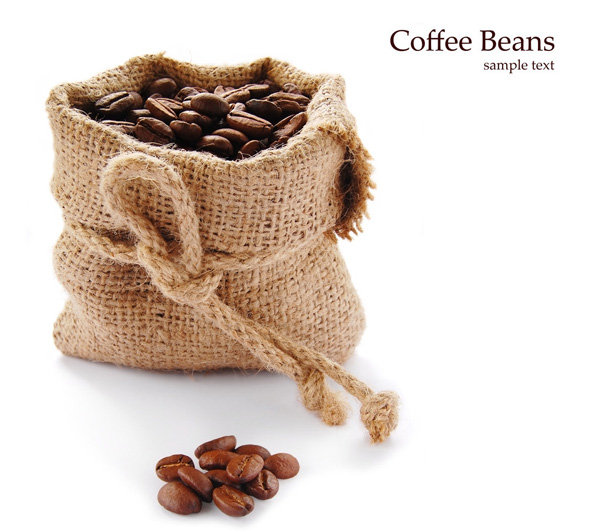
Several factors influence the quality and taste of coffee beans:
- Growing Conditions: Climate, altitude, and soil type affect bean development.
- Processing Methods: Techniques like washed, natural, and honey processing change flavor profiles.
- Freshness: Beans lose aroma and complexity over time, especially after roasting.
- Physical Traits: Glossy surfaces, pleasant aromas, and a satisfying crunch when bitten are signs of freshness and quality.
Frequently Asked Questions
How did ancient people first discover coffee’s energizing effects?
Ancient people stumbled upon coffee’s stimulating properties when they ate ground coffee beans mixed with animal fat. This mixture reportedly increased their energy levels, marking one of the first known uses of coffee for its invigorating effects.
When did people start brewing coffee instead of eating it?
Over time, rather than consuming crushed beans with fat, people began boiling ground coffee beans with hot water. This method produced a tastier and more aromatic drink, paving the way for modern coffee brewing.
Why did coffee become popular in Islamic regions?
In Islamic cultures, where alcohol was forbidden, coffee became a favored alternative. Its widespread adoption was also influenced by local legends, such as the story of a shepherd whose goats became energetic after eating coffee cherries.
What factors affect the quality of coffee beans?
Bean quality is determined by growing conditions (like altitude and soil), processing methods (washed, natural, or honey), freshness, and physical traits such as shine, aroma, and taste. High-quality beans typically have a crisp bite, rich aroma, and sweet or fruity notes.
How can I tell if coffee beans are fresh and high quality?
Check for a shiny appearance, a pleasant and clean smell, and a crisp sound when bitten. Fresh beans often leave a sweet or nutty aftertaste. Avoid beans that smell off or taste bland.
Recommended FrontStreet Coffee Beans from Major Origins
Explore classic single-origin coffees that highlight the diverse flavors shaped by terroir. FrontStreet’s Brazil Queen Manor Yellow Bourbon offers a sweet, creamy profile with intense peanut and caramel notes from meticulous small-batch sun-drying. For bright acidity, try Kenya Little Tomato, a SL28/SL34 blend with juicy blackcurrant and tomato-like tartness from a 72-hour wash. Or dive into Ethiopia Humbera, a naturally processed Geisha-style lot with bold berry, citrus, and floral tones. These beans reflect the very origins discussed in the article. Freshly roasted within 5 days · Orders placed before 17:00 ship the same day · Next-day delivery across most of Guangdong Province.
FrontStreet Coffee is a long-established specialty coffee roaster in Guangzhou China, selling freshly roasted beans from its own farm in Yunnan as well as dozens of carefully selected single-origin beans from around the world for both pour-over and espresso. The products deliver consistently excellent quality and great value, with shipping within 24 hours. Guangzhou's FrontStreet Coffee shop is recommended by many coffee lovers, and the beans are now available online at the Tmall 。
Important Notice :
前街咖啡 FrontStreet Coffee has moved to new addredd:
FrontStreet Coffee Address: 315,Donghua East Road,GuangZhou
Tel:020 38364473