How a Coffee Bean Becomes a Drop of Coffee
Ever wondered how that single drop of espresso or pour-over coffee started its life? The path from a raw coffee bean to your brewed cup isn’t simple—it’s a long, multi-stage transformation shaped by history, culture, and meticulous processing.
It takes roughly five key steps—harvesting, sorting, roasting, grinding, and brewing—to turn a coffee bean into a brewed cup. Each stage, from selecting ripe cherries to dialing in grind size and water temperature, plays a critical role in flavor development.
The Origins: From Chewed Beans to Global Drink
Coffee’s story begins with the two main species: Arabica and Robusta. Originally, Arabian communities didn’t brew coffee—they chewed the beans to access their stimulating juices. Over time, they began roasting the beans and eating them, eventually leading to the brewed coffee we know today. Religious restrictions on alcohol in Islamic cultures also helped coffee gain a social foothold as an alternative stimulant.
From Arabia, coffee spread to Europe and the Americas. Western cultures embraced it with the same everyday necessity as rice or noodles in Asia. Today, coffee has become a global staple, evolving from a niche luxury to a widely appreciated part of daily life—even in traditional tea-drinking societies.
From Plant to Roast: The Bean’s Physical Transformation
Coffee beans are the seeds inside bright red or yellow coffee cherries. Once harvested, these beans begin as green, soft, and nearly flavorless. The magic begins during roasting. Under high heat—typically between 180°C and 230°C—the beans undergo physical and chemical changes, including the Maillard reaction, which develops the complex aromas and flavors we associate with coffee.
During roasting, green beans lose moisture, expand in size, and turn various shades of brown. This transformation is what shifts them from raw agricultural products into the aromatic, flavorful beans used for brewing. The roast level—light, medium, or dark—affects not only color but also acidity, sweetness, and bitterness.
From Roast to Brew: Grinding and Extraction
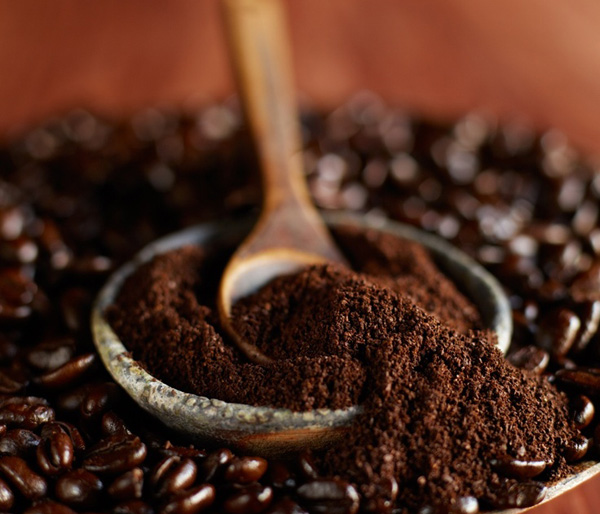
Before brewing, roasted beans must be ground to the correct size. The grind size depends on the brewing method—for example, espresso typically uses a fine grind around 18–20 on a standard grinder scale, while pour-over methods may use a medium-fine or medium grind. Consistent grind size ensures even extraction, which is key to balanced flavor.
Once ground, coffee is brewed using hot water, usually between 90°C and 96°C. This extracts soluble compounds including acids, sugars, and caffeine. The ratio of coffee to water, often around 1:15 to 1:18 for specialty coffee, along with factors like brew time and agitation, determines the final cup profile.
The entire process—from selecting ripe fruit to controlling water temperature—is managed with precision, especially by skilled baristas and roasters aiming for optimal flavor. That’s why a well-brewed cup of coffee is so hard to achieve and so rewarding when done right.
Frequently Asked Questions
What are the two main types of coffee beans?
The two primary coffee species are Arabica and Robusta. Arabica beans are known for their higher acidity, complex flavors, and lower caffeine content. Robusta beans are more bitter, have higher caffeine, and are often used in espresso blends for crema and strength.
Why do coffee beans change color during roasting?
Coffee beans turn from green to brown during roasting due to the Maillard reaction and caramelization. These chemical processes occur when heat breaks down sugars and amino acids, developing the beans’ color, aroma, and flavor complexity.
Does roast level affect the taste of coffee?
Yes. Light roasts preserve more of the bean’s original acidity and fruity notes. Medium roasts balance acidity and body, while dark roasts bring out bolder, smokier, and more bitter flavors with less origin character.
How fine should coffee be ground for different brew methods?
Espresso requires a fine grind (around 18–20 on a typical grinder scale). Pour-over methods like V60 or Chemex work best with medium-fine to medium grinds. French press uses a coarse grind to prevent over-extraction and sludge.
What happens if coffee beans aren’t roasted properly?
Under-roasted beans remain sour and grassy with underdeveloped sweetness. Over-roasted beans can taste burnt, oily, or overly bitter, masking the bean’s origin qualities and resulting in an imbalanced cup.
Why is grinding coffee fresh important?
Grinding coffee just before brewing maximizes freshness and flavor. Pre-ground coffee loses volatile aromatic compounds quickly due to oxidation, leading to a flatter-tasting cup.
Recommended FrontStreet Coffee for Coffee Journeys
Explore FrontStreet Coffee’s single origins to experience the bean’s journey firsthand. The Ethiopia Humbera offers bright citrus and floral notes, showcasing classic light roast profiles. For a balanced cup, try the Yirgacheffe with its juicy body and berry tones. Both highlight how origin and roast shape flavor. Freshly roasted within 5 days · Orders placed before 17:00 ship the same day · Next-day delivery across most of Guangdong Province.
FrontStreet Coffee is a long-established specialty coffee roaster in Guangzhou China, selling freshly roasted beans from its own farm in Yunnan as well as dozens of carefully selected single-origin beans from around the world for both pour-over and espresso. The products deliver consistently excellent quality and great value, with shipping within 24 hours. Guangzhou's FrontStreet Coffee shop is recommended by many coffee lovers, and the beans are now available online at the Tmall 。
Important Notice :
前街咖啡 FrontStreet Coffee has moved to new addredd:
FrontStreet Coffee Address: 315,Donghua East Road,GuangZhou
Tel:020 38364473