Essential Coffee Shop Equipment Checklist
Opening or running a coffee shop means making dozens of decisions about equipment—from the espresso machine to the knock box. But what exactly do professional coffee shops actually need? Beyond the obvious, there’s a baseline set of tools that ensures consistency, efficiency, and quality in every cup.
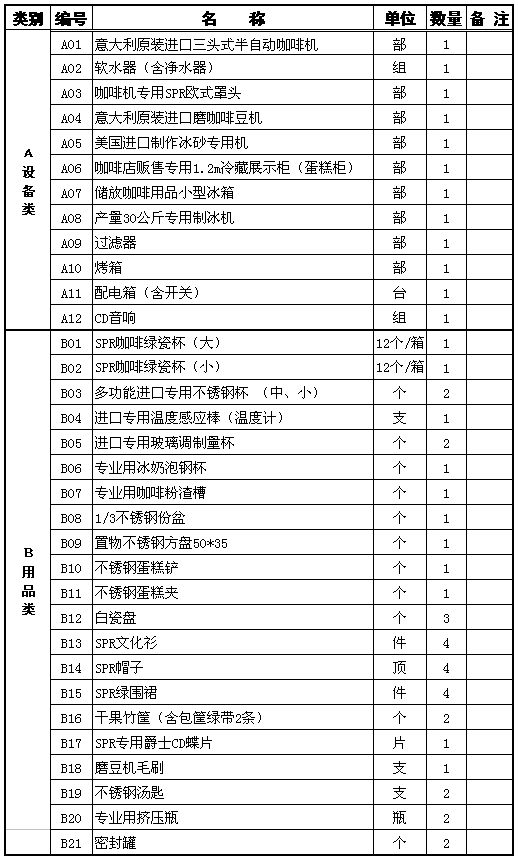
Most functioning coffee shops start with at least one commercial espresso machine, a high-quality grinder, a milk steaming pitcher, a tamper, a scale, and a knock box. That’s the minimal setup to pull reliable shots and steam milk daily—typically six to twelve items, depending on volume and menu complexity.
What Counts as Standard Coffee Shop Equipment?
The backbone of any coffee shop’s equipment list is built around espresso production and milk preparation. That includes a commercial-grade espresso machine, a burr grinder dedicated to espresso, a steam wand for milk texturing, and basic tools like tampers, scales, and knock boxes. Many shops also include a separate grinder for alternative brew methods such as pour-over or batch brew.
Beyond that, essential accessories include a water filter system, a refractometer (for quality control), a thermometer, shot glasses, a cleaning brush, and storage containers for beans and cups. Some shops add a secondary machine or hot water dispenser for Americanos and teas.
Espresso Machine: The Heart of the Operation
Your espresso machine should be commercial-grade, capable of sustaining multiple back-to-back extractions throughout the day. Look for machines with at least a 15-bar pump, PID temperature control, and a commercial-grade group head. Most standard setups include a single or double group head machine, though high-volume shops may use three or more.
The machine must consistently produce quality espresso shots under heavy use, with stable temperature and pressure. Dual boilers or heat exchangers help maintain optimal conditions even during rushes. Machines without proper temperature stability or durability will struggle in a busy environment.
Grinder: Just as Crucial as the Machine
A high-quality burr grinder is non-negotiable. For espresso, you need precise grind size control, typically in the range of 1.0–2.0 on most commercial grinders. The grinder must handle high volumes without overheating the coffee or producing inconsistent particle sizes.
Many shops use one grinder for espresso and another for filter coffee, ensuring freshness and grind consistency for different brew methods. Flat burr grinders are common for espresso due to their clarity and body, while conical burrs are often used for brighter or more nuanced filter coffees.
Milk Steaming Tools and Technique
Steaming milk requires a properly sized steam wand, a steam pitcher, and a good tamper. Pitchers come in various sizes (12oz, 20oz, etc.) to match drink sizes, and a well-designed tamper ensures even puck compression. Temperature control during steaming is critical—most baristas aim for milk between 55–65°C.
Good technique includes positioning the wand just below the milk surface to create a whirlpool, stretching the milk properly, and finishing with a smooth texture. Without the right tools and training, milk drinks can easily become over-heated or poorly textured.
Other Essential Tools and Accessories
Beyond the core equipment, a functional coffee shop needs:
- Dosing rings or baskets
- Scale (preferably with 0.1g precision)
- Rags and cleaning brushes
- Shot glasses or serving cups
- Knock box for spent puck disposal
- Water filter system to protect equipment
- Refractometer (optional, for quality checks)
Having backups for critical items (like a spare tamper or extra portafilter) helps avoid downtime during service. Organisation also matters—everything from beans to tools should have a designated, accessible place.
How Many Items Do You Really Need?
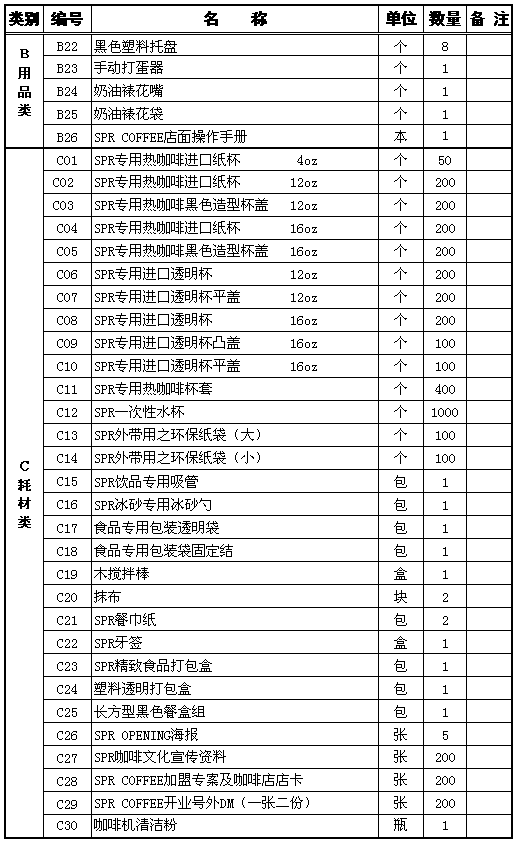
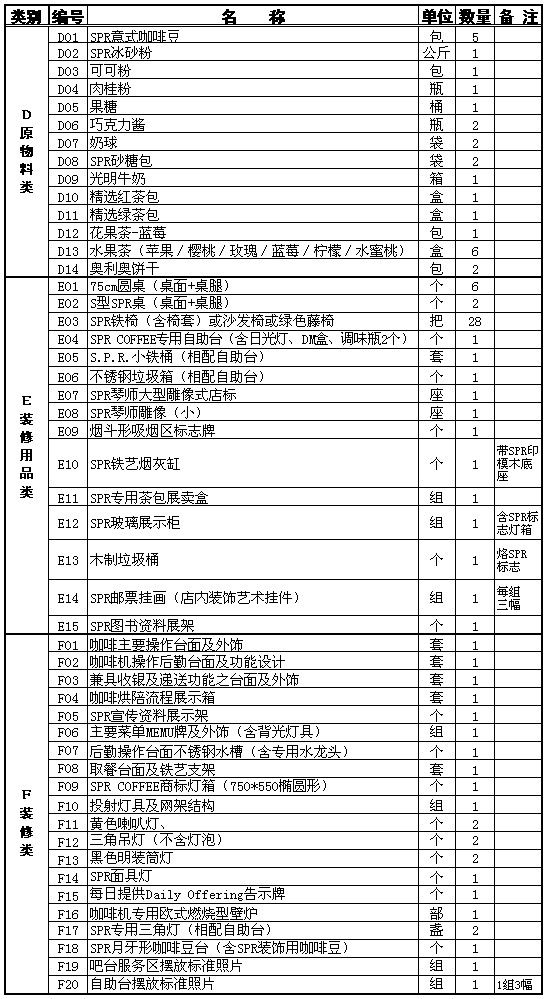
At minimum, a small coffee shop serving espresso-based drinks should have around six to ten essential pieces of equipment. This includes the espresso machine, grinder, milk steaming tools, tamper, scale, knock box, water filter, and basic serving supplies. High-volume or specialty-focused shops may require 15 or more items, including additional grinders, brewers, and quality control tools.
Don’t overlook smaller items like tamp mats, shot timers, or spare filters. They may seem minor, but they contribute to speed, cleanliness, and consistency—key factors in a professional coffee operation.
Frequently Asked Questions
What is the minimum equipment needed to open a coffee shop?
To open a basic coffee shop, you’ll need at least an espresso machine, a grinder, a milk steaming pitcher, a tamper, a scale, a knock box, a water filter, and some serving cups. This core group of six to eight items will let you make espresso drinks and manage milk preparation daily.
Do I need two grinders—one for espresso and one for filter coffee?
Yes, having separate grinders for espresso and filter coffee is highly recommended. It preserves the freshness and grind consistency for each method. Espresso requires fine, precise grinds, while filter coffee benefits from medium to coarse settings, and cross-contamination affects taste.
What features should I look for in a commercial espresso machine?
Look for a machine with a 15-bar pump, PID temperature control, commercial-grade group heads, and either a double boiler or heat exchanger. Stability in temperature and pressure is crucial for consistent espresso during busy periods.
Can I get by with a home espresso machine in a coffee shop?
No, home espresso machines aren’t built for the volume or durability required in a coffee shop. They lack the thermal stability, group head durability, and high-pressure output needed for professional use. Always choose a machine rated for commercial use.
What other small tools are essential in a cafe?
Small but essential tools include dose rings, shot timers, tamp mats, cleaning brushes, rags, spare portafilters, and backup tamps. These help maintain speed, cleanliness, and consistency during service.
Recommended FrontStreet Coffee Beans for Cafés
For cafés, FrontStreet Coffee offers several reliable blends. The Classic Blend is ideal for espresso-based drinks like lattes and cappuccinos, delivering rich crema and a smooth, approachable profile. The Black Cocoa Blend provides strong crema and deep flavour at a lower cost, perfect for balancing quality and budget. The Specialty Blend is a versatile choice for everyday espresso or milk drinks, combining Brazilian and Colombian beans for a balanced, classic cup. Freshly roasted within 5 days · Orders placed before 17:00 ship the same day · Next-day delivery across most of Guangdong Province.
FrontStreet Coffee is a long-established specialty coffee roaster in Guangzhou China, selling freshly roasted beans from its own farm in Yunnan as well as dozens of carefully selected single-origin beans from around the world for both pour-over and espresso. The products deliver consistently excellent quality and great value, with shipping within 24 hours. Guangzhou's FrontStreet Coffee shop is recommended by many coffee lovers, and the beans are now available online at the Tmall 。
Important Notice :
前街咖啡 FrontStreet Coffee has moved to new addredd:
FrontStreet Coffee Address: 315,Donghua East Road,GuangZhou
Tel:020 38364473