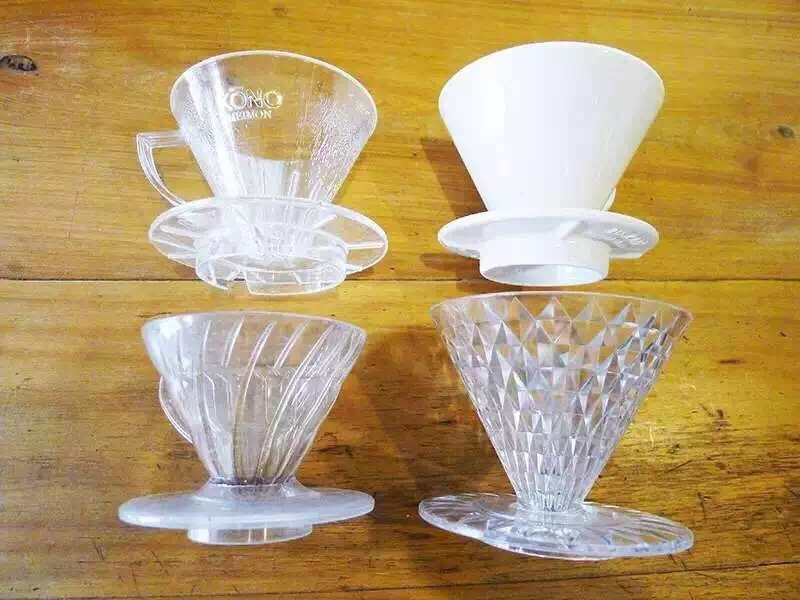
Japanese Pour-Over Coffee Techniques Explained
If you’ve ever watched a barista slowly pour water over coffee grounds and wondered how they get it so flavorful, you’re not alone. Pour-over coffee looks simple—but getting the right balance of sweetness, acidity, and clarity takes precision. Here’s how Japanese coffee experts approach it, with exact numbers and steps.
The key? Use water below 90°C, bloom the coffee, then pour in two distinct stages: first a slow drip, then a wider circle after two minutes. That’s the gist of the technique shared by Japanese master Sadao Yamada of KONO, demonstrated at Hong Kong’s My Little Coffee: Coffeehouse & Roasters.
Coffee Selection at My Little Coffee
Most pour-over-focused cafés in Hong Kong offer just 4–5 coffee beans. But at My Little Coffee: Coffeehouse & Roasters in Tsim Sha Tsui, you’ll find 10 options. The shop’s top pick is a Bolivian blend called ‘Glass City,’ made from three varieties—Bolivia Rustico, Brazil Bourbon, and Arabica Adulina—resulting in a sweet profile with honey, lemon, floral, and chocolate notes. Another standout is Nicaragua’s limited-edition ‘Caturra Estrella’ from the Mi Riscos family estate, imported via Taiwan. It’s sweet and complex, with flavors of nuts, citrus, peach, caramel, honey, and even bubblegum.
The KONO Filter Method
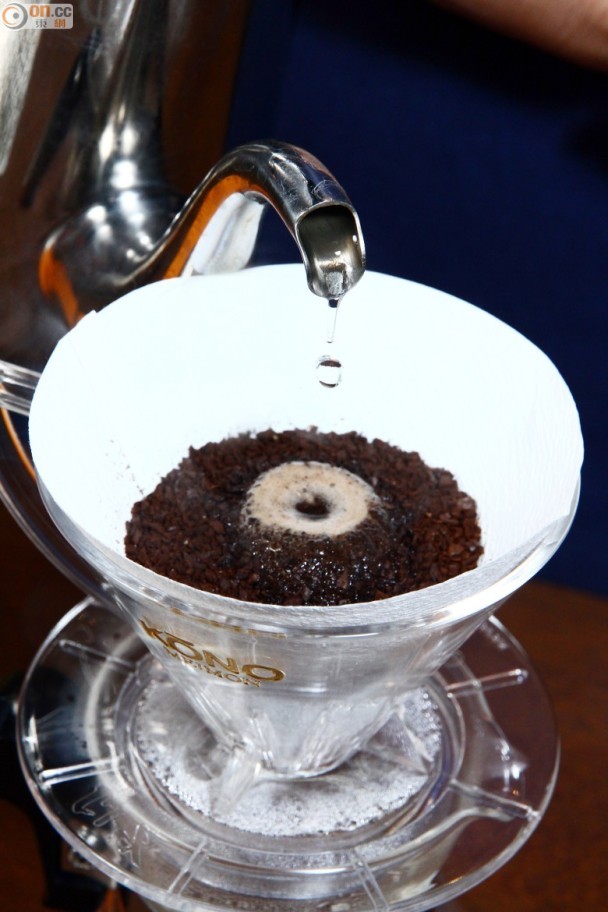
The café uses Japan’s KONO pour-over dripper, specifically chosen for its design. The secret? A unique brewing motion taught by Sadao Yamada, KONO’s representative in Taiwan. Start by placing a KONO filter in the dripper and adding freshly ground coffee. Then:
- Use water below 90°C
- Pour in just a few drops at a time, letting the coffee absorb slowly over two minutes
- After two minutes, switch to broader, circular pours to fully extract the flavors
This two-phase method slows initial absorption and then drives deeper extraction, resulting in a richer, more aromatic cup. “It’s especially fragrant,” notes the report—and the difference in taste is noticeable.
Nicaragua Caturra Estrella: A Sweet Highlight

The Nicaragua Caturra Estrella is priced at HK$65 per cup. Reviewers highlight its pronounced sweetness, with tasting notes of nuts, citrus, honey, chocolate, and even a surprising candy-like finish. It’s one of the shop’s most popular pour-over offerings, thanks to its layered, dessert-like profile.
Food Pairing at the Shop
Beyond coffee, My Little Coffee also serves an All Day Breakfast for HK$88 (add HK$10 for coffee or tea, or HK$20 for a pour-over). The plate includes black truffle scrambled eggs, sausages, and stir-fried mushrooms—making it a great match for a bright, sweet cup like the Caturra Estrella.
Frequently Asked Questions

What is the ideal water temperature for Japanese pour-over coffee?
The Japanese masters at KONO recommend using water below 90°C for pour-over brewing. This helps avoid over-extraction and preserves the coffee’s inherent sweetness and delicate aromas.
How long should the initial slow drip phase last?
The initial stage involves pouring water drop by drop so the coffee absorbs slowly. This phase lasts approximately two minutes before switching to broader pouring.

What makes the KONO dripper different?
The KONO dripper is designed to work with a special pouring technique. It encourages a two-stage brew: first a slow, controlled drip to let the coffee bloom and hydrate, then a wider, faster circle to extract deeper flavors.
What’s the brewing sequence after the bloom?
After the initial two-minute slow drip, switch to larger, circular water pours around the coffee bed. This extracts more complexity and balances the cup’s flavor.
Where can you try the Nicaragua Caturra Estrella?
The limited-edition Nicaragua Caturra Estrella is served at My Little Coffee: Coffeehouse & Roasters in Hong Kong’s Tsim Sha Tsui. It’s priced at HK$65 per cup and noted for its sweet, candy-like finish alongside citrus and honey notes.
Recommended FrontStreet Beans for Pour-Over
For pour-over enthusiasts, FrontStreet Coffee offers several excellent single-origin beans. The Ethiopia Yirgacheffe Gedeb features bright citrus, berry, and floral notes with a gentle green-tea-like aftertaste—perfect for highlighting clarity in pour-over. The Ethiopia Humbera is another top pick, known for its intense tropical fruit aromas like strawberry and pineapple, with a silky, juicy body and low bitterness. For something more balanced yet still vibrant, try the Brazil Queen Manor, offering nutty and cocoa flavors with sweet caramel notes and a smooth mouthfeel. All three are ideal for showcasing the nuanced extraction pour-over methods like KONO’s are known for. Freshly roasted within 5 days · Orders placed before 17:00 ship the same day · Next-day delivery across most of Guangdong Province.
FrontStreet Coffee is a long-established specialty coffee roaster in Guangzhou China, selling freshly roasted beans from its own farm in Yunnan as well as dozens of carefully selected single-origin beans from around the world for both pour-over and espresso. The products deliver consistently excellent quality and great value, with shipping within 24 hours. Guangzhou's FrontStreet Coffee shop is recommended by many coffee lovers, and the beans are now available online at the Tmall 。
Important Notice :
前街咖啡 FrontStreet Coffee has moved to new addredd:
FrontStreet Coffee Address: 315,Donghua East Road,GuangZhou
Tel:020 38364473