Why Does Specialty Coffee Taste Acidic?
If you’ve ever taken a sip of single-origin pour-over and recoiled at the tartness—wondering why your coffee tastes more like lemonade than a warm brew—you’re not alone. Many new coffee drinkers are puzzled, even put off, by the bright acidity that defines high-quality beans. But where does that tang really come from, and why does it exist in the first place?
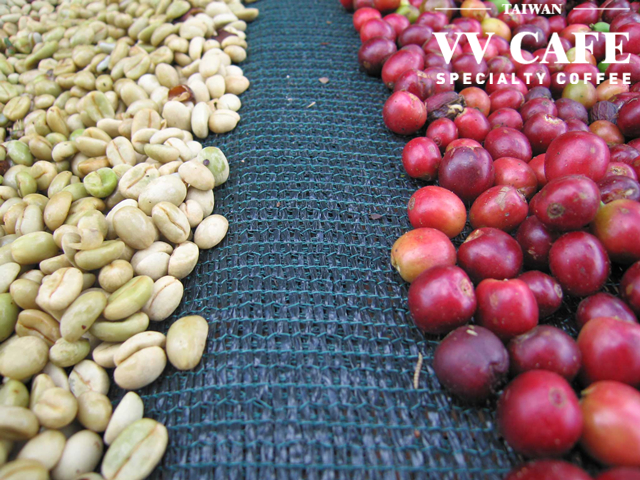
Coffee tastes acidic because it comes from fruit: the coffee cherry. Its natural sugars and acids influence the seed (the bean) before roasting, making fruity, tart notes completely normal—and often desirable—in well-grown, freshly roasted coffee.
Where Coffee Acidity Comes From: The Fruit Itself
Coffee cherries look a lot like red berries—shiny, juicy, and appealing. Inside each cherry is a seed: the green coffee bean. That bean is processed, dried, and eventually roasted to become the brown coffee you buy. But before roasting, the flavors of the fruit—its flesh and natural acids—have already started shaping the bean’s character. That’s why coffee naturally carries fruit-like acidity. It’s not spoilage or a flaw. It’s simply the taste of the coffee plant’s fruit heritage.
Good Acid vs Bad Acid: Learning to Taste the Difference
Not all acidity is pleasant. In coffee, acidity can be bright and juicy—or harsh and unpleasant. With practice, you learn to identify the difference. Positive, pleasant acids include apple, citrus, grapefruit, berry, wine, tropical fruit, and even hints of vinegar-like brightness that enhance complexity. These acids feel vibrant but smooth, adding layers without stinging your tongue. Negative acids, on the other hand, taste like nail-polish remover (acetone), fermented rot, sweat (lactic acid), or plain old vinegar gone wrong. These are sharp, sour, and often ruin a cup. Fortunately, true specialty-grade coffee avoids these nasty flaws—they’re deal-breakers for quality roasters.
Choosing the Right Coffee: Region and Roast Matter
If you’re new to acidity, don’t rush into the brightest Ethiopian beans. Start with medium or balanced acidity profiles. As a general guide: African coffees (like Ethiopia or Kenya) tend to be more acidic; Central and South American beans (like Guatemala or Colombia) offer moderate acidity; and Asian origins (like Sumatra or India) usually deliver low-acid, earthy cups. That said, micro-regions and farms vary hugely—even within one country—so always check tasting notes or ask your roaster. Roast level also affects acidity: lighter roasts preserve more fruit acids, while darker roasts mute them. For beginners, medium or medium-dark roasts from moderately acidic regions (like Guatemala’s sugar mill lots or Sumatra’s Mandheling-style beans) offer balance without overwhelming tartness. Once you adapt, you can explore brighter options like Costa Rica or Panama—just dial in your preferences gradually.
Brewing Adjustments to Control Acidity
You don’t have to pick a new bean to tweak acidity. Your brew setup can fine-tune it. Key variables include:
- Temperature: Brewing around 90–92°C keeps acidity noticeable. Go up to 95°C and acidity drops markedly.
- Grind Size: Finer grinds tend to tamp down acidity; coarser grinds let it shine. Try a slightly finer grind to reduce perceived sourness.
- Water Amount: More water can soften acidity and highlight sweetness. Adding 20–50ml extra water may balance the cup.
- Brew Time: Shorter extractions boost acidity; longer ones mellow it. Avoid over-extracting to the point of bitterness, though.
What To Do If Your Coffee Is Too Sour
Even with the right bean and settings, you might end up with a pour-over that’s just too sharp. Don’t reach for sugar or milk—that masks the issue. Instead:
- Drink Slowly: Take small sips. The first impression may be intense, but your palate will adjust and often uncover hidden sweetness and complexity.
- Keep It Hot: Acidity fades as coffee cools—but don’t reheat it. Just add a little hot water to raise the temperature slightly if it’s gone lukewarm.
- Dilute Gently: Add 20ml of hot water at a time to lower acidity and boost sweetness. You can repeat this 2–3 times to find a better balance. It’s also a great way to explore how flavor evolves as the cup cools.
Whatever you do, avoid adding milk, cream, sugar, or flavored syrups. They’ll overpower delicate fruit acids and ruin what makes specialty coffee special.
Frequently Asked Questions
What causes the sour taste in coffee?
The sourness in coffee comes from natural fruit acids inherited from the coffee cherry. These include malic, citric, and phosphoric acids, which are common in fruits. In well-grown beans, these acids taste bright and refreshing—but poor processing, under-roasting, or bad brewing can make them taste harsh or unpleasant.
Is coffee acidity good or bad?
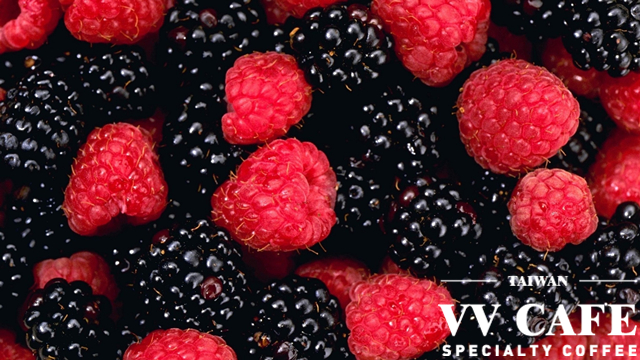
Acidity in coffee isn’t inherently bad. In fact, bright, well-balanced acidity is a sign of quality in specialty coffee. It adds complexity, similar to the tartness in wine or citrus juice. Bad acidity—like vinegar, ferment, or sweatiness—is undesirable and usually results from defects, bad roast, or stale beans.
Which coffee regions produce more acidic beans?
African coffee regions such as Ethiopia and Kenya typically produce higher-acid beans with fruity, wine-like, or citrus notes. Central and South American beans (like those from Guatemala or Colombia) have moderate acidity, while Asian origins (like Sumatra) are usually lower in acid and more earthy or spicy.
Does roast level affect coffee acidity?
Yes. Lighter roasts preserve more of the bean’s inherent acids, resulting in brighter, tangier cups. As roast levels darken (medium to dark), acids degrade and the coffee tastes smoother and more bitter. For less acidity, choose medium or darker roasts.
How can I reduce acidity when brewing coffee?
To reduce acidity, try brewing at 95°C instead of 90–92°C, using a slightly coarser grind, increasing your brew water volume by 20–50ml, or extending brew time slightly. You can also dilute a brewed cup with 20ml of hot water to mellow the sourness.
Can I add milk or sugar to fix sour coffee?
Adding milk, sugar, or cream will mask acidity but also hide the coffee’s natural flavors. This ruins the taste profile of specialty coffee. Instead, try adjusting your brewing technique or simply letting the coffee cool slightly, which naturally reduces perceived acidity.
Recommended FrontStreet Coffee for Bright Acidity
Start with FrontStreet Coffee’s Ethiopia Yirgacheffe Gedeb for a classic juicy introduction—think citrus, berry, and floral notes with a crisp, tea-like finish. For something more tropical, try Ethiopia Humbera, bursting with strawberry, passionfruit, and pineapple-like brightness. Or go for Kenya Little Tomato, a washed Kenyan offering vivid acidity with tomato, plum, and juicy depth. All three showcase fruit acids in clean, enjoyable ways. Freshly roasted within 5 days · Orders placed before 17:00 ship the same day · Next-day delivery across most of Guangdong Province.
FrontStreet Coffee is a long-established specialty coffee roaster in Guangzhou China, selling freshly roasted beans from its own farm in Yunnan as well as dozens of carefully selected single-origin beans from around the world for both pour-over and espresso. The products deliver consistently excellent quality and great value, with shipping within 24 hours. Guangzhou's FrontStreet Coffee shop is recommended by many coffee lovers, and the beans are now available online at the Tmall 。
Important Notice :
前街咖啡 FrontStreet Coffee has moved to new addredd:
FrontStreet Coffee Address: 315,Donghua East Road,GuangZhou
Tel:020 38364473