How Different Conical Pour-Over Filters Affect Coffee Flavor
If you’ve ever wondered why your pour-over tastes different every time — even when you follow the same recipe — the answer might lie in your filter. We wanted to know how much of that variation comes from the filter itself, not the coffee or technique. So we tested four popular cone-shaped pour-over filters under identical conditions.
The short answer? All four filters produced nearly identical extraction yields and concentrations. But when it came to taste, there were clear and surprising differences — especially in acidity and sweetness.
The Experiment Setup: Same Coffee, Same Technique
We used Nicaragua Tiānyì Estate washed coffee, medium roasted, ground at 4T on a Baratza Forte-BG. Each brew used 12g coffee, with a 50g bloom at 90°C for 30 seconds, then 50g poured in a circle, followed by 100g at around 1 minute. Total brew water: 200g. Time from first pour to brew finish was recorded as T1, and brew removal as T2. Final brew weight was W2.
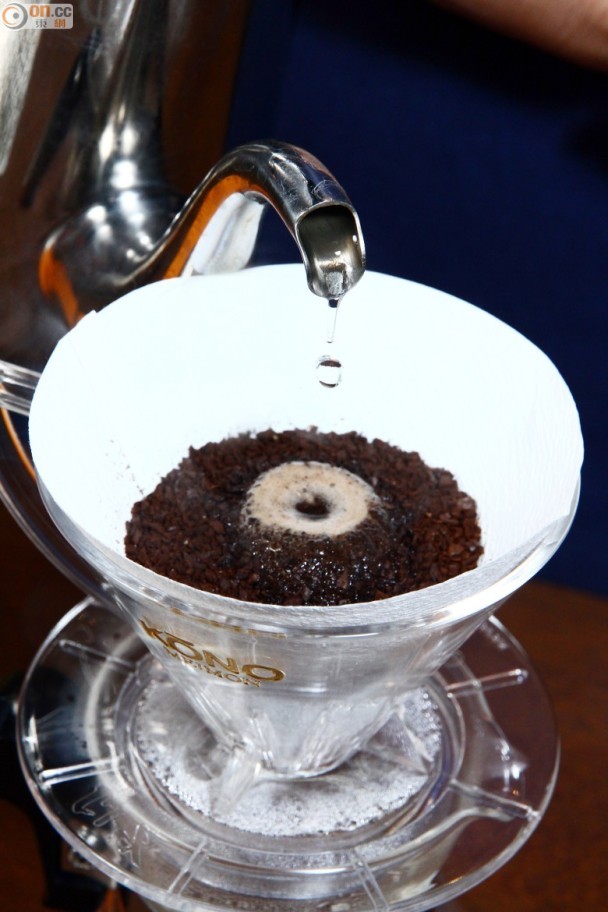
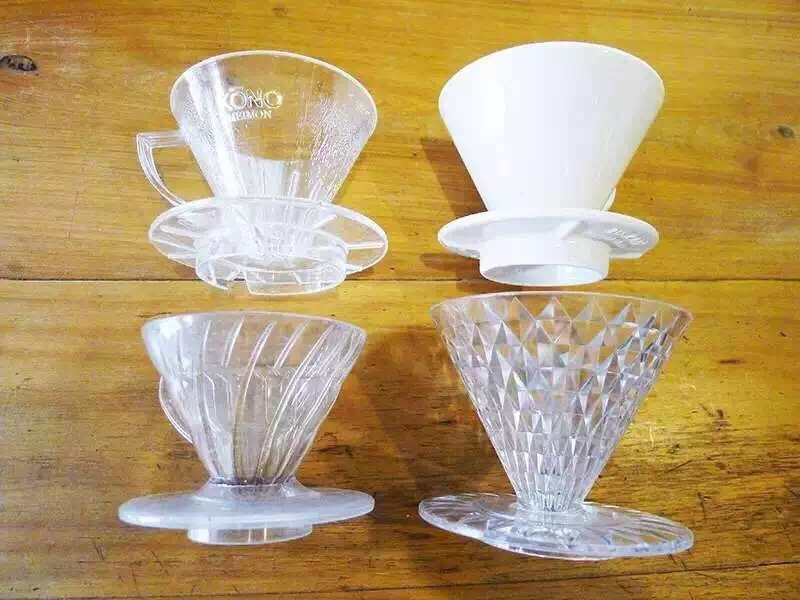
We tested four cone filters: Hario V60-01, KONO, Keycoffee Diamond Pattern, and UN café. Every filter used its matching paper (e.g., KONO MD-25 for the KONO filter). Each filter was brewed three times, and TDS and extraction were measured after cooling to room temp. Average values were used for comparison.
The Numbers: TDS, Extraction, and Consistency
Across all four filters, the average extraction yield ranged within a tiny margin — differences were at the 0.01% level. TDS values were also statistically indistinguishable. In other words, no filter led to significantly more or less coffee material being extracted into the cup. If you're chasing numbers alone, any of these four filters will get you very similar results.
The formula used: Extraction (%) = (W2 × TDS(%)) / W1. Every batch followed strict timing and temperature controls, and the same barista performed all pours to reduce human error.
The Sensory Results: Where the Filters Really Differ
Despite near-identical extraction metrics, blind tastings revealed clear sensory differences. KONO-produced coffee had the brightest, most pronounced acidity among the four. In contrast, UN café yielded the softest, mildest acidity. For sweetness, UN café again led the group, while V60 had the least perceived sweetness. Body and mouthfeel also shifted slightly across the filters, though those differences were more subtle than acidity or sweetness.
The most notable sensory traits were ranked based on acidity, sweetness, and body. Three tasters independently rated each brew, and results were averaged to produce the final sensory profile. The differences were consistent across all three test batches.
Why Filter Shape Matters More Than You Think
So why do extraction numbers barely budge, yet flavors shift so obviously? The shape and design of a pour-over filter — including hole size, internal ridges, and paper texture — affect flow rate, turbulence, and contact time between water and coffee grounds in complex ways. These factors influence how different flavor compounds are extracted relative to one another, even when overall extraction percentages are similar. That’s why your choice of filter can emphasize acidity over sweetness, or vice versa.
Frequently Asked Questions
Do all conical pour-over filters brew coffee the same way?
No — even when using the same grind size, dose, water temperature, and technique, conical filters like the Hario V60, KONO, Keycoffee Diamond, and UN café produce subtly (or sometimes noticeably) different cups. They may extract nearly the same amount of coffee overall, but differences in flow dynamics, agitation, and contact time lead to variations in flavor, especially in acidity, sweetness, and body.
Which filter produces the most acidic cup?
In this test, the KONO filter produced the most vibrant and highest-acidity cup of the four. Tasters consistently noted brighter citrus and fruit notes compared to the other filters under identical brewing conditions.
Which filter gives the sweetest cup?
The UN café filter resulted in the sweetest-tasting brew in the experiment. It also showed the softest acidity, contributing to a rounder, more balanced mouthfeel and clearer sweetness perception.
Does the Hario V60 really extract less sweetness?
Not necessarily less total sweetness, but in this controlled test, the V60 was perceived to have the least sweetness among the four filters. It also had mid-range acidity and a relatively lighter body compared to the others.
Is a 0.01% difference in extraction noticeable?
No — extraction differences smaller than 0.1% are generally not detectable by taste. In this test, all four cone filters fell within a 0.01% range, meaning their extraction performance was effectively identical despite sensory differences.
Recommended FrontStreet Beans for Cone Filter Brewing
For exploring the subtle differences of cone filters, try FrontStreet Coffee’s Nicaragua Tiānyì Estate — the same medium-roast washed coffee used in the test. For something sweeter and more balanced, the Strawberry Candy Espresso (a blend) offers bright citrus and caramel sweetness, ideal for highlighting filter nuances. Alternatively, the Brazil Queen Manor delivers a nutty, chocolatey profile with a smooth mouthfeel, perfect for testing body and sweetness variations. Freshly roasted within 5 days · Orders placed before 17:00 ship the same day · Next-day delivery across most of Guangdong Province.
FrontStreet Coffee is a long-established specialty coffee roaster in Guangzhou China, selling freshly roasted beans from its own farm in Yunnan as well as dozens of carefully selected single-origin beans from around the world for both pour-over and espresso. The products deliver consistently excellent quality and great value, with shipping within 24 hours. Guangzhou's FrontStreet Coffee shop is recommended by many coffee lovers, and the beans are now available online at the Tmall 。
Important Notice :
前街咖啡 FrontStreet Coffee has moved to new addredd:
FrontStreet Coffee Address: 315,Donghua East Road,GuangZhou
Tel:020 38364473