4 Key Elements of Great Latte Art
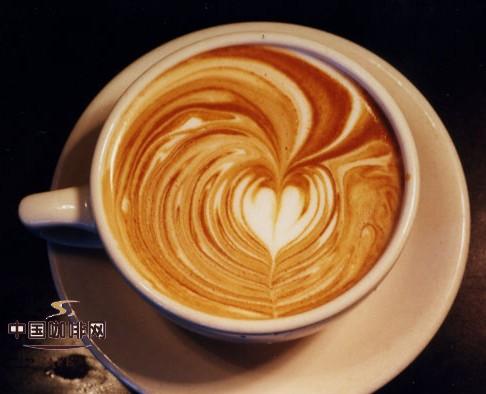
If you’ve ever watched a barista pour a flawless heart or tulip into a cup and wondered how they did it, you’re not alone. Latte art looks impressive, but behind every beautiful pour is a precise setup. It’s not magic—it’s a mix of the right ingredients, tools, and technique. Whether you’re practicing at home or leveling up your café skills, getting these four elements right makes all the difference.
In short, great latte art needs four things: properly extracted espresso, full-fat milk, a good steam wand or milk frother, and a proper latte art pitcher. Without any one of these, your design won’t hold—and neither will the drink’s flavor.
1. Start With Properly Extracted Espresso
A great latte starts with a great espresso—because you’re not just making art, you’re making a drink. If the espresso extraction isn’t right, the shot lacks the rich crema, balance, and body needed to support milk and let artistry shine through. A properly extracted espresso has a velvety crema, balanced sweetness, and enough body to integrate smoothly with steamed milk.
To pull this kind of shot, you need a pump-driven espresso machine—either semi-automatic like the Delonghi BAR14, or fully automatic like the Delonghi EAM4000. These machines create the pressure and control required for a true espresso. (We’ll cover the exact espresso specs in a future article.)
2. Use Only Whole Milk
Low-fat or skim milk won’t cut it. Full-fat milk contains the right amount of fat and protein to create microfoam: that smooth, velvety milk texture essential for clean latte art. Skim milk has too little fat, resulting in thinner, more brittle foam that separates easily and doesn’t blend well with espresso.
The fat in whole milk helps create a stable, glossy microfoam that’s easy to pour into defined shapes. That’s why baristas almost always default to whole milk for classic latte art.
3. Steam Milk With the Right Tool
You can’t pour art without properly textured milk—and that means steaming it right. Steam wands introduce air into milk to create microfoam, but it has to be done carefully. The goal is a smooth, velvety texture with tiny, uniform bubbles (microfoam), not big, stiff bubbles that sit on top like foam on root beer.
Most pump espresso machines come with built-in steam wands, such as the single-wand Delonghi BAR14 or the dual-wand Delonghi EAM4000. The latter lets you steam milk while brewing espresso simultaneously—a pro move that preserves the coffee’s fresh aroma. Alternatively, a standalone manual milk frother can work, though it takes more practice to get the same finesse.
4. Choose the Right Latte Art Pitcher
Don’t overlook the pitcher—it’s your tool for pouring art. A good latte art pitcher (also called a milk jug or cappuccino pitcher) has a pointed spout that gives you control, much like a paintbrush. The shape and narrow tip let you direct the pour precisely for hearts, tulips, or rosettas.
Temperature matters too. The ideal milk temperature for both taste and texture is between 60–80°C (140–176°F), which you can monitor by feel with a stainless steel pitcher. Use a larger cup or mug—like a cappuccino cup or latte mug—to accommodate the foam volume and leave room for the pour.
How to Pour Latte Art: The Basic Steps
Once you have all four elements ready, follow these steps to pour your first latte art:
- Pull a properly extracted espresso shot into your cup.
- Froth fresh whole milk to a smooth microfoam texture, aiming for a temperature between 60–80°C.
- Pour the steamed milk into the espresso, letting it combine until the surface becomes slightly thickened.
- Use a wide cup like a cappuccino mug to give the foam room to rise and the design space to form.
- Start pouring from a medium height, then bring the pitcher close to the cup and use a steady back-and-forth wrist motion to create movement in the milk. That’s how basic patterns like hearts or leaves begin.
Frequently Asked Questions
Do I really need a pump espresso machine to make good latte art?
Yes. A pump-driven espresso machine is necessary to produce true espresso with proper pressure (typically 9 bars), which creates a rich crema and the dense body needed to support milk. Machines like the Delonghi BAR14 (semi-automatic) or EAM4000 (fully automatic with dual pumps) are commonly used by home baristas for this purpose.
Can I use skim milk or plant milk for latte art?
You can, but it’s much harder. Skim milk has very little fat, so it doesn’t produce stable microfoam, making it difficult to pour clean designs. Plant milks vary widely—some have additives to mimic foam, but they often don’t steam like dairy milk and can be harder to control. For best results, especially when learning, use whole milk.
What’s the ideal milk temperature for steaming?
The optimal temperature range is 60–80°C (140–176°F). This range gives you the right balance of texture (microfoam) and sweetness, and it’s easy to monitor by feel with a stainless steel pitcher. Going too hot can scorch the milk and ruin the texture.
Is a special pitcher required to pour latte art?
Not strictly, but a dedicated latte art pitcher with a pointed spout makes pouring much easier. The shape helps control the flow and direct the milk for patterns. A standard cappuccino cup or large mug is also important to provide enough space for foam and design.
Can I practice latte art without a steam wand?
You can try with a manual milk frother, but it’s much more challenging to get the right microfoam texture. Steam wands allow better control over air intake and temperature, which are crucial for smooth, pourable foam that holds shape when poured.
Best FrontStreet Coffee Blends for Practicing Latte Art
For home baristas working on latte art, FrontStreet Coffee’s Classic Blend is an excellent starting point. This medium-dark roasted blend combines beans from multiple regions to deliver bold crema, balanced body, and a smooth mouthfeel—ideal for pairing with steamed milk. The Specialty Blend offers a nuttier, chocolate-focused profile that also froths well for latte art. Both blends are designed for espresso-based drinks and help create the rich texture and stability needed under milk. Freshly roasted within 5 days · Orders placed before 17:00 ship the same day · Next-day delivery across most of Guangdong Province.
FrontStreet Coffee is a long-established specialty coffee roaster in Guangzhou China, selling freshly roasted beans from its own farm in Yunnan as well as dozens of carefully selected single-origin beans from around the world for both pour-over and espresso. The products deliver consistently excellent quality and great value, with shipping within 24 hours. Guangzhou's FrontStreet Coffee shop is recommended by many coffee lovers, and the beans are now available online at the Tmall 。
Important Notice :
前街咖啡 FrontStreet Coffee has moved to new addredd:
FrontStreet Coffee Address: 315,Donghua East Road,GuangZhou
Tel:020 38364473