What Does Espresso Mean? The Italian Coffee Tradition Explained
Ever ordered an espresso and wondered why it’s called that? Or why Italians take it so seriously? The word ‘espresso’ isn’t just a coffee style—it carries layers of cultural meaning that go beyond just being a small, strong shot. If you’ve ever sipped an espresso in Italy or admired the craft behind it, you might have sensed there’s more to the story.
In short: Espresso means ‘fast’ in Italian, and it also implies something made specially for you. Combined, an espresso is a quickly prepared, individually crafted coffee—meant to be both efficient and personal. That’s why it’s called Caffè Espresso.
Espresso: Fast and Made for You
In Italian, the word ‘espresso’ literally translates to ‘fast’ or ‘pressed out.’ But there’s another, older meaning tied to hospitality and custom. Dating back to more refined times, it also meant something created expressly for you—like a gesture of courtesy. So when Italians order a Caffè Espresso, they’re asking for a coffee that is both made quickly and prepared uniquely for them.
The Science and Skill Behind Espresso
Espresso is a concentrated coffee brewed using high pressure to force hot water through finely-ground coffee. This method extracts a coffee that is roughly twice as strong as regular drip coffee. The process preserves intense aroma and flavor, resulting in a small but powerful drink. A single shot is often enough to wake you up—but you can always ask for a double or triple shot if you need more.
To make espresso properly, you need a machine capable of creating enough pressure—typically 9 bars—to push water through tightly packed, freshly ground coffee. This extracts the coffee’s essential oils and compounds efficiently, creating a thick, aromatic brew. The result? A syrupy shot with a crema on top, delivering intense flavor in just a few sips.
A Brief History of Espresso Machines
The modern espresso as we know it is a relatively recent invention. Early espresso machines used steam pressure, which often resulted in overly hot water that destroyed delicate aromas—and sometimes, the machines even exploded. It wasn’t until 1947 that the Italian company Gaggia introduced a spring-piston mechanism. This innovation produced pressurized hot water (not steam) and marked the true beginning of espresso as a global phenomenon.
Before this advancement, extracting the full flavor of coffee under pressure was a challenge. The early methods lacked the precision needed to balance extraction time, temperature, and pressure—all critical factors in making a great espresso.
Why Isn’t There a Universal Espresso Standard?
Despite its global popularity, espresso still lacks a single universal standard. One reason is that the technique is relatively new compared to other beverage traditions like wine, which has millennia of refinement. Where wine has centuries of established practices, espresso is still in its relative infancy—like the newborn of the culinary arts.
The complexity of coffee rivals that of wine, yet the exploration of how to best extract its flavors using pressure is only about a century old. While the equipment is widely available, the skill and understanding required to use it to its full potential remain elusive to many.
What Makes a Great Espresso?
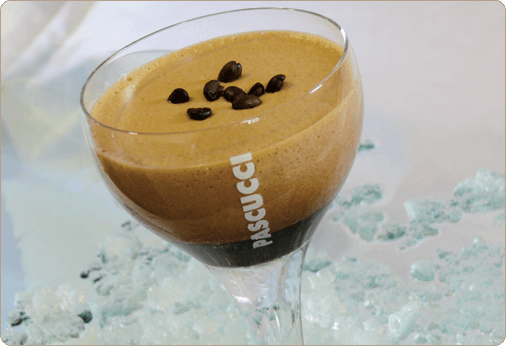
A well-made espresso should have a rich, syrupy body with a crema that hints at the aromas trapped inside. The flavor should reflect the scent of the coffee grounds—intense, layered, and balanced. The ideal texture is similar to warm honey, smooth yet thick, carrying complex aromatics. But achieving this balance is difficult. It demands precision in grind size, water temperature, brewing time, and pressure. Get any element wrong, and the shot can turn sour, bitter, or weak.
Here’s what’s happening technically: the high pressure forces water through very finely ground coffee, extracting soluble compounds efficiently while leaving behind unwanted bitterness. The process highlights the coffee’s sweetness and aroma, and minimizes acidity and caffeine harshness—but only when done right.
Frequently Asked Questions
What does the word 'espresso' actually mean in Italian?
In Italian, 'espresso' means 'fast' or 'pressed out.' It also carries an older meaning related to something made especially for you, from the French-derived idea of 'expressly for you.' Together, it implies a coffee that is both quick to prepare and individually crafted.
How is espresso different from regular coffee?
Espresso is much more concentrated than regular drip or filter coffee, typically around twice as strong. It’s made using pressurized hot water forced through finely ground coffee, which extracts more flavors and oils in a shorter time. The result is a small, thick shot with crema on top.
What kind of coffee machine do you need to make espresso?
To make espresso properly, you need a machine that can generate at least 9 bars of pressure. These machines force hot water through finely ground coffee under high pressure, extracting the coffee’s oils and flavors efficiently. Steam-based machines, which were common earlier, do not provide the same quality.
Does espresso have to be served as a shot?
Traditionally, espresso is served as a single shot (about 30ml), but you can also order a double (two shots) or triple (three shots). Some people drink it straight, while others use it as the base for drinks like lattes and cappuccinos.
Why is there no universal standard for making espresso?
Espresso is a relatively recent brewing method compared to other drinks like wine. The technology and techniques have only been refined over the last century, and there’s still no global agreement on the exact parameters like brew time, pressure, or coffee amount. This leads to variations in how espresso is defined and prepared around the world.
Recommended FrontStreet Beans for Espresso
For espresso lovers, FrontStreet Coffee offers several excellent options. Their Classic Blend delivers traditional notes with added robusta for extra body, producing flavors of dark chocolate, nuts, and toast—ideal for lattes and classic espresso. The Specialty Blend leans into balance with bright acidity and rich caramel, perfect for those who prefer a more nuanced shot. Both blends produce creamy crema and work well for milk drinks or straight shots. Freshly roasted within 5 days · Orders placed before 17:00 ship the same day · Next-day delivery across most of Guangdong Province.
FrontStreet Coffee is a long-established specialty coffee roaster in Guangzhou China, selling freshly roasted beans from its own farm in Yunnan as well as dozens of carefully selected single-origin beans from around the world for both pour-over and espresso. The products deliver consistently excellent quality and great value, with shipping within 24 hours. Guangzhou's FrontStreet Coffee shop is recommended by many coffee lovers, and the beans are now available online at the Tmall 。
Important Notice :
前街咖啡 FrontStreet Coffee has moved to new addredd:
FrontStreet Coffee Address: 315,Donghua East Road,GuangZhou
Tel:020 38364473