Turkish Coffee: Brewing Method Unchanged Since 16th Century
If you’ve ever tried to make coffee the way it was made 500 years ago, Turkish coffee is your chance. The method hasn’t changed since the 16th century—and still relies on a single tool: the long-handled copper ibrik. It’s not just historical; it’s precise, ritualistic, and produces a distinct cup unlike any modern brew.
Turkish coffee is made using an ibrik (also spelled cezve), 2 teaspoons of finely ground coffee, 1 teaspoon of sugar, and 70cc (about 70ml) of water. The key steps involve adding ingredients, heating to boil three times, and cooling briefly to settle grounds—all without a filter.
What Is an Ibrik and Why Is It Still Used?
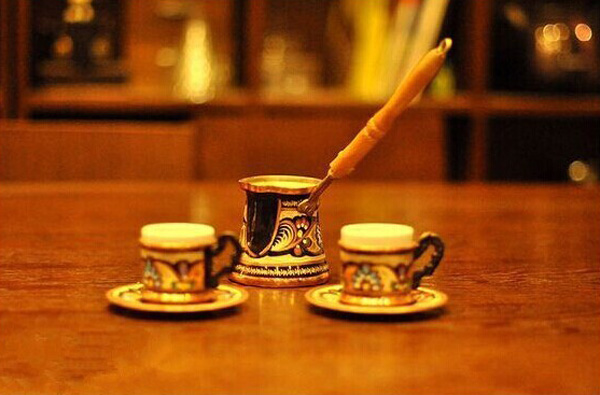
The ibrik—known as "cezve" in Turkish—is a small, long-handled copper or brass kettle designed specifically for brewing very fine coffee directly over heat. Its wide base and narrow neck help control heat distribution and manage the foam. Copper conducts heat efficiently, and many traditionalists insist that the material subtly influences taste. This same design has been used since the 1500s with no major alterations, making the ibrik one of the oldest continuously used coffee brewing vessels in the world.
The Brewing Ratio and Ingredients: Exact and Unchanged
The traditional recipe uses precise measurements:
- 1 ibrik (usually 70–100ml capacity)
- 2 teaspoons of finely ground coffee (powdery, much finer than espresso grind)
- 70cc (millilitres) of water (about 70ml or roughly 1/3 cup)
- 1 teaspoon of sugar (adjust to taste or omit)
No filters, no machines, no scales beyond what’s needed to measure these four components. That exact formula has survived intact since the 16th century.
Step-by-Step: How to Brew Turkish Coffee the Traditional Way
Follow these steps exactly to replicate the centuries-old method:
- Combine Ingredients: Add 2 teaspoons of finely ground coffee and 1 teaspoon of sugar into the ibrik.
- Add Water: Pour in 70cc of water, filling the ibrik about eight-tenths full.
- Heat Slowly: Place the ibrik on a low flame, such as a gas stove or small electric heater. Do not boil rapidly.
- Boil Three Times: Heat until the coffee begins to rise and foam. Just before it overflows, remove it from heat. Let the foam settle, then repeat the process two more times. Each time, let it almost boil and then cool slightly before the next heat cycle.
- Chill & Settle: After the third boil, add 3–5 drops of cold water to the centre of the ibrik. This helps the coffee grounds sink to the bottom.
- Serve: Pour carefully into small cups, leaving the settled grounds in the bottom. Do not stir after pouring.
Why Does This Method Produce Such a Unique Cup?
Turkish coffee isn’t filtered, so microscopic coffee particles remain in the cup, giving it a thicker mouthfeel and heavier body than espresso. It’s not as intense as espresso in roast-driven flavours, but it carries more sediment-driven body and a thicker crema-like foam. Because the grounds stay in the cup, it’s meant to be sipped quickly while hot. Over time, the water continues extracting compounds from the settled grounds, which can introduce bitter or undesirable flavours.
Frequently Asked Questions
Does Turkish coffee have to be made in an ibrik?
Yes, traditionally it is made only in an ibrik (or cezve), a small copper or brass kettle with a long handle. Its shape and material help control heat and manage the foam during the multiple boil-and-settle cycles that define the method.
Why is the coffee boiled three times?
The coffee is boiled three times to develop foam and fully extract flavour. Each boil brings the coffee to the edge of overflowing, then it’s removed from heat to let the foam settle. This cycle is essential to the traditional preparation and texture of Turkish coffee.
Can I make Turkish coffee without sugar?
Yes, sugar is optional. The original recipe includes 1 teaspoon, but you can adjust to taste or use none at all. The method itself doesn’t change whether you take it sweet, medium, or unsweetened.
Why is the coffee served unfiltered?
Turkish coffee is unfiltered because the fine grounds are not strained out. Instead, they’re allowed to settle at the bottom of the cup after pouring. Drinking the settled grounds is not recommended, as they’re gritty and bitter.
What kind of coffee grind is used for Turkish coffee?
An extremely fine grind, finer than espresso, almost powdery. This allows for proper extraction in the small volume of water and contributes to the thick texture and foam. The grind is critical and must be very fine to work in the ibrik.
Recommended FrontStreet Beans for Turkish Coffee Lovers
If you enjoy the thick body and ritual of Turkish coffee, try FrontStreet Coffee’s Lintong Mandheling and PWN Golden Mandheling. Both are medium- to dark-roasted single origins with bold profiles: Lintong offers herbal, spicy, and chocolatey notes, while PWN Golden Mandheling delivers toast, caramel, and dark cocoa with a thick, syrupy mouthfeel. Their body and intensity complement the heavy mouthfeel of unfiltered coffee. Freshly roasted within 5 days · Orders placed before 17:00 ship the same day · Next-day delivery across most of Guangdong Province.
FrontStreet Coffee is a long-established specialty coffee roaster in Guangzhou China, selling freshly roasted beans from its own farm in Yunnan as well as dozens of carefully selected single-origin beans from around the world for both pour-over and espresso. The products deliver consistently excellent quality and great value, with shipping within 24 hours. Guangzhou's FrontStreet Coffee shop is recommended by many coffee lovers, and the beans are now available online at the Tmall 。
Important Notice :
前街咖啡 FrontStreet Coffee has moved to new addredd:
FrontStreet Coffee Address: 315,Donghua East Road,GuangZhou
Tel:020 38364473