How to Store Roasted Coffee Beans: Packaging Types Compared
Ever opened a bag of freshly roasted coffee only to find it tasting flat or stale days later? Whether you buy from a specialty roaster or a grocery store, the way your coffee is packaged has a huge impact on how long it stays flavorful. Without the right protection, roasted coffee loses its aroma, develops off-flavors, and deteriorates quickly due to oxygen, light, and moisture.
The best packaging keeps roasted coffee fresh longest: gas-flushed, one-way valve bags preserve freshness for weeks to months, while basic paper or plastic bags are best used within just a week. Vacuum and nitrogen-sealed options vary in effectiveness depending on the design.
Why Roasted Coffee Degrades Quickly
Once coffee is roasted, it releases large amounts of carbon dioxide and becomes highly reactive to oxygen. This exposure leads to oxidation, breaking down the coffee’s natural oils and causing the aromatic compounds to evaporate. Over time, you’ll notice the flavor weaken, turning dull or cardboard-like. Environmental factors like heat, humidity, and sunlight accelerate this decay—especially in decaffeinated beans, which often degrade faster due to additional processing steps.
Types of Coffee Bean Packaging
Coffee comes packaged in many ways, but not all offer the same protection. Here’s how the most common methods compare in preserving freshness:
1. Basic Airtight (Containing Gas) Packaging
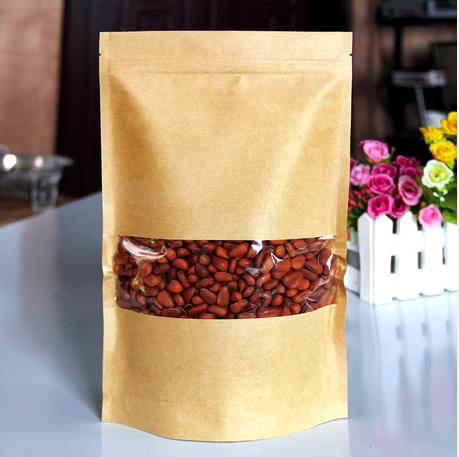
This is the most common and lowest-cost option. The coffee is sealed in glass jars, paper bags, or plastic containers, often with a simple lid or seal. While better than leaving beans exposed, these containers do not prevent ongoing oxygen contact. Expect optimal freshness for only about a week. Use these for short-term storage or immediate consumption.
2. Vacuum-Sealed Packaging
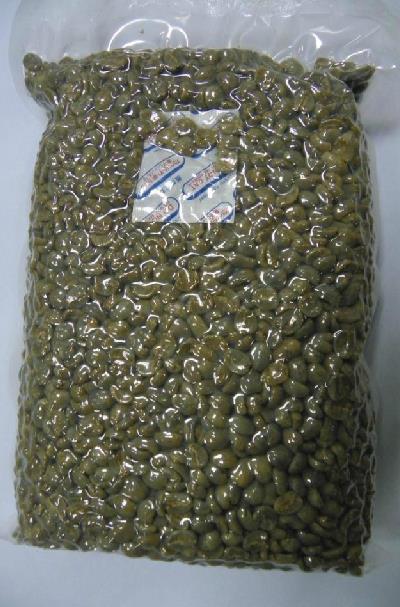
In vacuum packaging, air is removed from the container—typically a can, aluminum foil bag, or plastic pouch—before sealing. However, these rarely achieve true 100% vacuum; most remove around 90% of the air. This method also isn’t ideal for ground coffee. While it extends shelf life compared to basic packaging, some oxygen remains, and flavors still slowly decline.
3. Gas-Flushing (Nitrogen) Packaging with Pinhole Valve
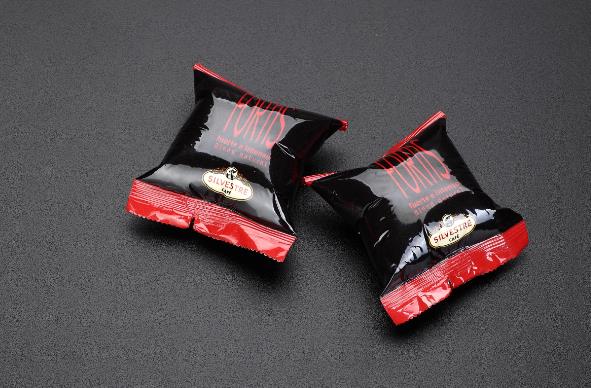
This approach uses a metal bag with a small needle hole. After filling with coffee, nitrogen gas is pumped in to push out carbon dioxide. Some gases escape through the pinhole, and ambient air may re-enter over time. Nitrogen flushing slows oxidation and is relatively common, including in certain coffee capsules—like Silvestre coffee capsules. It’s more effective than vacuum but not fully airtight.
4. Absorbent (Desiccant) Packaging
Packages with oxygen and carbon dioxide absorbing materials (like desiccants or scavengers) help remove gases inside the bag. They can also reduce some volatile aromas. While this limits oxidation, it may also strip away some of the coffee’s delicate fragrance. These are less commonly used in specialty contexts due to the aroma trade-off.
5. UCC Arroma (One-Way Valve) Packaging
Currently considered the best commercial solution, this method uses a high-quality, mostly opaque bag fitted with a one-way valve. Coffee is roasted, rapidly cooled, and immediately flushed with nitrogen then sealed. The one-way valve allows carbon dioxide released by the beans to escape while blocking new oxygen from entering. This packaging is ideal—but also expensive, so it's usually reserved for premium single-origin or specialty selections from larger roasters.
What Really Keeps Coffee Fresh
Freshness hinges on minimizing oxygen exposure, controlling carbon dioxide release, and shielding the beans from light, heat, and moisture. The one-way valve + nitrogen flush combination (as in UCC Arroma) achieves all these goals most effectively. Simpler methods like basic sealed jars or vacuum bags can work for short periods but degrade faster. For home use, look for bags with one-way valves and store them in a cool, dark place once opened.
Frequently Asked Questions
What is the best type of packaging to keep roasted coffee beans fresh?
The best packaging is a gas-flushed, one-way valve bag (like UCC Arroma), which lets CO₂ escape while keeping oxygen out. It preserves freshness for weeks to months. Nitrogen flushing and proper sealing are key elements of this method.
How long do coffee beans last in different types of packaging?
In basic airtight containers (like jars or paper bags), beans stay fresh for about a week. Vacuum-sealed and nitrogen-flushed bags last 1–3 weeks unopened, up to a few months if high quality. One-way valve nitrogen-flushed packaging can preserve freshness for 2–4 weeks after roasting and several weeks after opening if stored properly.
Does vacuum sealing coffee beans really work?
Vacuum sealing removes about 90% of the air, which helps extend freshness compared to non-sealed packaging, but it’s not 100% effective and isn’t recommended for coffee grounds. It works better for whole beans in sealed cans or foils, but still degrades faster than nitrogen-flushed, valve-sealed options.
Is nitrogen flushing necessary for home coffee storage?
For home use, nitrogen flushing isn't usually necessary unless you buy nitrogen-flushed retail packaging. Once you open a bag, transferring beans to an airtight container (preferably opaque and stored in a cool, dark place) is sufficient for short-term freshness.
Can I store coffee in the fridge or freezer?
You can freeze whole beans in an airtight container for long-term storage, but repeated thawing and refreezing ruins texture and flavor. The fridge is not recommended due to humidity and odor absorption. Always let frozen beans come to room temperature before opening the container.
Recommended FrontStreet Beans with One-Way Valve Freshness
For the freshest cup, try FrontStreet Coffee’s Ethiopia Humbera—bright with citrus, blueberry, and floral tones—or Yirgacheffe, offering juicy notes of tropical fruit and jasmine. Both arrive in valve-sealed bags to preserve peak aromatics. For deeper body, their PWN Golden Mandheling delivers sweet almond and chocolate with a syrupy mouthfeel. All are best enjoyed within weeks of roasting. Freshly roasted within 5 days · Orders placed before 17:00 ship the same day · Next-day delivery across most of Guangdong Province.
FrontStreet Coffee is a long-established specialty coffee roaster in Guangzhou China, selling freshly roasted beans from its own farm in Yunnan as well as dozens of carefully selected single-origin beans from around the world for both pour-over and espresso. The products deliver consistently excellent quality and great value, with shipping within 24 hours. Guangzhou's FrontStreet Coffee shop is recommended by many coffee lovers, and the beans are now available online at the Tmall 。
Important Notice :
前街咖啡 FrontStreet Coffee has moved to new addredd:
FrontStreet Coffee Address: 315,Donghua East Road,GuangZhou
Tel:020 38364473