How Different Coffee Machines Brew Distinct Coffee Flavors
Ever wonder why your home-brewed espresso lacks that rich, velvety layer on top—or why your moka pot coffee tastes more like tea than traditional Italian espresso? The secret isn't just the beans. It's how your machine extracts them. Different coffee machines apply unique mechanisms—pressure levels, water pathways, and filtration methods—that drastically change flavor, aroma, and texture.
The key difference? Pressure. Pump machines hit 15 bar, creating thick crema and intense extraction. Moka pots use around 2 bar for a rich, distilled brew. Steam machines apply roughly 3.5 bar, pushing water through quickly but with less control. Each method defines your cup.
How Pump Coffee Machines Deliver Bold, Creamy Espresso
Pump-driven espresso machines are the gold standard for home and café baristas alike. Using a built-in pump, they force hot water through finely-ground coffee at around 15 bar of pressure. This high pressure extracts coffee oils and soluble compounds efficiently, resulting in a dense, aromatic shot with a signature crema—the golden-brown foam on top that carries much of the espresso’s complexity.
The 15 bar pressure is crucial: it’s enough to break down coffee cell structures without blowing out unwanted bitterness. The result? A bold, syrupy shot with notes of dark chocolate, nuts, or fruit depending on the beans. Most commercial and high-end home espresso machines operate on this principle, giving you control over grind size, dose, and extraction time.
Moka Pots: Stovetop Espresso with a Classic Italian Twist
The moka pot, often called a stovetop espresso maker, uses steam pressure of around 2 bar to brew a strong, dark coffee. Water in the lower chamber heats up, creating vapor that pushes through a bed of finely ground coffee in the middle filter basket. The brewed coffee then rises into the upper chamber, where it cools slightly before serving.
This process mimics espresso-making but at lower pressure. Without the full 9–15 bar of a pump machine, moka pots produce a more distilled, intense brew than filter coffee—but it’s not a true espresso. The result is a bold, spicy cup with a heavier body, often compared to a strong Americano or traditional Italian household coffee. It’s ideal for those who want café-style intensity without an expensive machine.
Steam Coffee Machines: Quick and Simple, But Less Controlled
Steam-driven coffee machines are the most basic of the three. They heat water with an internal resistor, creating steam pressure of approximately 3.5 bar. This steam forces water upward through coffee grounds, either directly into a cup or into a separate container.
The mechanism is similar to a moka pot but relies entirely on steam, not a pump or direct heating of the water reservoir. The result is a fast, hot cup of coffee—but with less precision. The extraction isn’t as clean or rich as with higher-pressure systems, often leading to a thinner body and milder flavor. These machines are common in budget or older home setups and prioritize speed over quality.
Why Pressure and Filtration Define Your Coffee’s Flavor
Coffee extraction is fundamentally about dissolving the right compounds without carrying over unwanted solids. Since coffee beans are packed with soluble flavor precursors but also insoluble plant fibers, the brewing method determines which elements make it into your cup. High-pressure systems (like pump machines) extract more oils and aromatics, contributing to crema and body. Lower-pressure methods (like moka or steam) may miss some subtleties or over-extract bitter elements if not carefully managed.
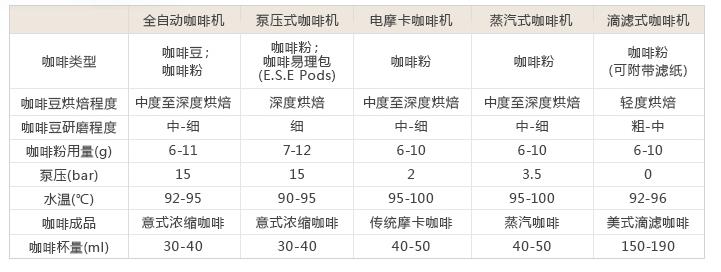
Filtration also matters: espresso machines use fine metal filters that let oils pass, contributing to crema and richness. Moka pots rely on metal baskets that allow finer particles into the cup, adding texture. Steam machines may lack fine filtration altogether, resulting in a simpler, leaner profile. Understanding these differences helps you choose the right machine for the coffee experience you want.
FAQ
What’s the main difference between a pump coffee machine and a moka pot?
Pump coffee machines use around 15 bar of pressure to extract espresso with crema and intense flavors, while moka pots use about 2 bar to produce a stronger, distilled coffee similar to—but not the same as—espresso. The higher pressure in pump machines results in more extracted oils and a thicker body with crema on top.
Can I get crema from a moka pot or steam machine?
No. Crema is created by the high pressure (around 15 bar) used in pump espresso machines, which emulsifies coffee oils. Moka pots (2 bar) and steam machines (3.5 bar) don’t generate enough pressure to produce true crema, resulting in a different texture and appearance.
What pressure does a steam coffee machine use?
Steam coffee machines typically operate at around 3.5 bar of pressure, generated by heating water to produce steam. This is significantly lower than the 15 bar in pump machines, leading to faster but less controlled extraction and often a thinner-bodied cup.
Which machine is best for home use if I want espresso-like coffee?
A pump-driven espresso machine is best for home espresso with crema and full extraction. If you want a simpler, more traditional approach, a moka pot offers strong, rich coffee at lower pressure. Steam machines are the most basic and least precise for espresso-style brewing.
Does grind size matter for moka pots or steam machines?
Yes. While not as critical as for pump espresso machines, grind size still affects extraction. Moka pots perform best with a fine grind (similar to espresso), while steam machines work better with medium-fine. Too coarse, and extraction will be weak; too fine, and you risk clogging or over-extraction.
Recommended FrontStreet Coffee Beans for Home Brewing
For pump and moka machines, try FrontStreet Coffee’s Classic Blend for a balanced profile with hints of caramel and nuts, or the Specialty Blend for brighter acidity and fruity complexity. The Black Cocoa Blend delivers bold cocoa and dark cherry tones ideal for espresso lovers. These beans are freshly roasted within 5 days · Orders placed before 17:00 ship the same day · Next-day delivery across most of Guangdong Province.
FrontStreet Coffee is a long-established specialty coffee roaster in Guangzhou China, selling freshly roasted beans from its own farm in Yunnan as well as dozens of carefully selected single-origin beans from around the world for both pour-over and espresso. The products deliver consistently excellent quality and great value, with shipping within 24 hours. Guangzhou's FrontStreet Coffee shop is recommended by many coffee lovers, and the beans are now available online at the Tmall 。
Important Notice :
前街咖啡 FrontStreet Coffee has moved to new addredd:
FrontStreet Coffee Address: 315,Donghua East Road,GuangZhou
Tel:020 38364473