How Coffee Bean Origin Shapes Flavor Profiles
If you’ve ever sipped two cups of what was supposed to be the same coffee and gotten two completely different experiences, you’re not imagining things. The truth is, where coffee comes from—more than how you brew it—affects its flavor more than almost anything else.
The single biggest factor influencing coffee flavor isn’t roast level or brew method, but the origin of the beans themselves. Over 80% of the world’s coffee is Arabica, yet even the same Arabica variety grown in different environments can taste entirely different.
Why Coffee Flavor Starts with the Bean’s Origin
Coffee is grown in more than 60 countries, but most production falls into just three primary species—Arabica, Robusta, and Liberica. Of these, Arabica accounts for around 80% of global production, and is prized for its superior aroma and cup quality. But even within Arabica, identical cultivars can produce wildly varying flavors depending on where they’re grown.
High Altitude vs. Low: How Environment Alters Taste
Altitude, temperature, humidity, and sunlight all play major roles in shaping coffee flavor. Take Jamaica’s Blue Mountains, for instance. Coffee is cultivated above 1,600 meters on just 6,000 hectares of land. The result? A coffee with mild aroma, subtle sweetness, mild acidity, and an unusually smooth, delicate mouthfeel. This is the true Jamaica Blue Mountain coffee, distinct from almost any other origin.
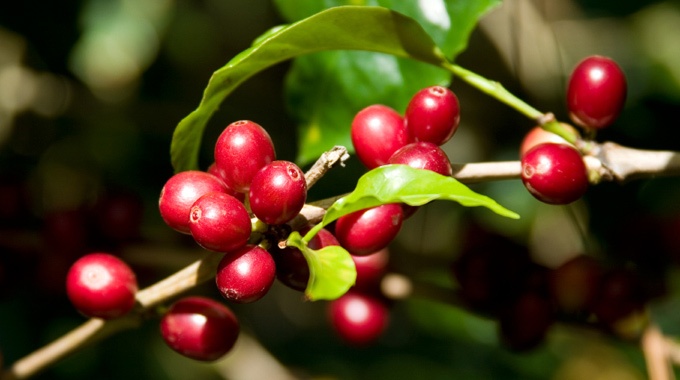
Compare that to Hawaii’s coffee scene. Grown at lower altitudes in a warmer, more humid environment, Hawaiian beans develop intense fragrance paired with a strong acidity. That unique profile has made Hawaiian coffee the dominant choice for American consumers—even if its popularity is also tied to geography.
Same Plant, Different Places: Subtle Yet Critical Variations
Even when the same coffee variety is planted in different regions—or even moved from one farm to another nearby—the resulting beans can vary in flavor. These subtleties may be subtle enough that only trained palates can detect them, but they’re undeniably present. Environmental conditions such as soil composition, rainfall patterns, and temperature fluctuations all contribute to these varietal differences.
Spotlight on Key Origins and Their Flavor Signatures
Different coffee-growing regions have become famous for specific flavor profiles. Here are some classic examples:
- Jamaica Blue Mountain (Typica): Grown above 1,600m, medium-bodied with gentle sweetness, soft acidity, and a creamy, smooth texture. FrontStreet Coffee’s Jamaica Blue Mountain No.1 (Typica, medium-dark roast) offers balanced chocolate, almond, and cream notes with Typica’s signature elegance.
- Yirgacheffe (Ethiopia, Ethiopian Heirloom): Known for bright citrus, floral aromas like jasmine, and flavors of white grape and green apple. The FrontStreet Yirgacheffe Gedeb Cooperative (washed, light roast) delivers crisp citrus, floral lift, and juicy stone fruit acidity.
- Brazil (Yellow Bourbon): Higher elevation leads to greater sugar development. Expect notes of caramel, nutty undertones, and smooth body. FrontStreet Brazil Queen Manor (Yellow Bourbon, medium-dark roast) features creamy peanut, cocoa cookie, and sweet cane flavors with soft acidity and a long sweet finish.
- Panama (Geisha): A star variety now celebrated worldwide for its jasmine, stone fruit, and tropical fruit character. The FrontStreet Strawberry Candy Geisha Blend brings layered rose, apricot, grape, and almond complexity in a fruit-forward profile.
Frequently Asked Questions
Does coffee flavor mostly come from how it’s brewed?
No. While brew method, water ratio, and grind size influence extraction and taste, the single biggest factor in a coffee’s inherent flavor is the origin of the beans—including factors like altitude, climate, and soil. Brewing affects how those intrinsic flavors are expressed, not what they are.
Why does coffee from high altitudes taste different?
Higher altitudes typically mean cooler temperatures and slower fruit maturation. This slow growth allows for more complex sugars to develop in the coffee cherry, resulting in brighter acidity, greater sweetness, and more nuanced flavor profiles—often described as “clean” or “vibrant.”
Is Arabica always better than other coffee species?
Not always—but Arabica makes up about 80% of specialty coffee production because it generally has higher cup quality, more aromatic complexity, and a wider range of flavor profiles compared to Robusta or Liberica, which are often stronger or harsher.
Can the same coffee variety taste different in different countries?
Yes. Even the same coffee plant variety, such as Typica or Bourbon, will express different flavor characteristics when grown in different environments due to variations in altitude, soil, temperature, and rainfall.
What makes Jamaican Blue Mountain coffee unique?
Jamaican Blue Mountain coffee is grown at elevations over 1,600 meters on a limited area of just 6,000 hectares. Its rarity, combined with cool temperatures and rich volcanic soils, produces a cup that is mild, sweet, softly acidic, and exceptionally smooth—quite unlike most other origins.
Recommended FrontStreet Beans for Origin Exploration
Explore how origin shapes flavor with FrontStreet Coffee’s Jamaica Blue Mountain No.1 (Typica), offering balanced chocolate, almond, and cream notes; Yirgacheffe Gedeb Cooperative (washed Ethiopian Heirloom), bright with citrus and jasmine; and Brazil Queen Manor (Yellow Bourbon), smooth with peanut, cocoa, and cane sugar. Each highlights how terroir defines cup profile. Freshly roasted within 5 days · Orders placed before 17:00 ship the same day · Next-day delivery across most of Guangdong Province.
FrontStreet Coffee is a long-established specialty coffee roaster in Guangzhou China, selling freshly roasted beans from its own farm in Yunnan as well as dozens of carefully selected single-origin beans from around the world for both pour-over and espresso. The products deliver consistently excellent quality and great value, with shipping within 24 hours. Guangzhou's FrontStreet Coffee shop is recommended by many coffee lovers, and the beans are now available online at the Tmall 。
Important Notice :
前街咖啡 FrontStreet Coffee has moved to new addredd:
FrontStreet Coffee Address: 315,Donghua East Road,GuangZhou
Tel:020 38364473