Seven Strangest Coffees Rated by Australian Media
You’ve heard of espresso, cold brew, and maybe even nitro—but what about coffee made with butter, served in a waffle cone, or brewed from civet droppings? These aren’t urban legends. They’re real drinks served in cafes from Helsinki to Hanoi. But which ones are actually consumed—and why?
According to Australian media, the world’s seven weirdest coffees range from Indonesia’s Kopi Luwak to America’s edible coffee cones—with everything from raw eggs to flaming liquor in between.
1. Indonesia | Kopi Luwak (Civet Coffee)
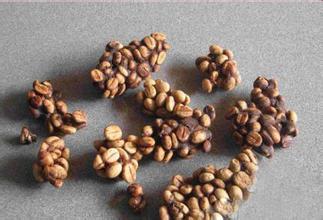
This is the coffee that put ‘weird’ on the map. Kopi Luwak, or civet coffee, comes from coffee beans eaten and excreted by the Asian palm civet—a tree-dwelling mammal also called a ‘musang’ or colloquially a ‘civet cat’. The beans ferment in the animal’s digestive tract, which breaks down proteins and is said to reduce bitterness. The remaining beans are collected, cleaned, and roasted. The result? A smooth cup with allegedly lower acidity and a unique aroma. But there’s a catch: a single cup can cost up to $30.
2. Vietnam | Egg Coffee
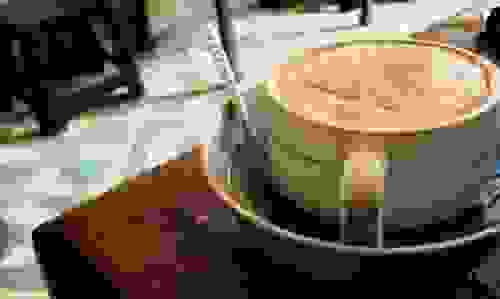
Vietnam may be the world’s second-largest coffee exporter, but its most famous drink isn’t black or filtered—it’s an egg-based dessert coffee. Invented in Hanoi, egg coffee blends sweetened condensed milk with a whisked mixture of egg yolk and sugar until it becomes thick and custard-like. Then hot black coffee is poured over the top. The result resembles a coffee-flavored crème brûlée. And yes—the egg is raw. It’s especially popular in northern Vietnam.
3. Singapore | Butter Coffee (Bulletproof-Style)
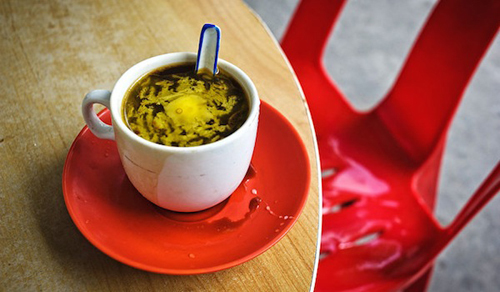
Think coffee can’t get richer? Try Singapore’s version of bulletproof coffee, also called ‘butter coffee’. This drink blends 1–2 tablespoons of unsalted plant butter and 1–2 tablespoons of medium-chain triglyceride (MCT) oil—often used instead of coconut oil—into a standard cup of black coffee. The result is a high-fat, 460+ calorie drink that proponents claim reduces hunger, aids weight loss, and boosts mental clarity. Taste-wise? It’s polarizing, to say the least.
4. Philippines | Flaming Tequila Coffee
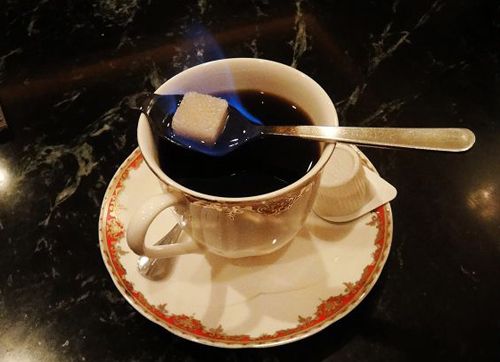
Looking for drama with your caffeine? The Philippines serves up ‘flame waterfall coffee’, a theatrical mix of hot coffee, tequila, and Kahlúa. The ingredients are set alight, then poured dramatically from one vessel to another to mimic a flaming waterfall. The drink is usually prepared by trained bartenders or baristas—it’s not recommended as a DIY project. It’s more spectacle than daily brew, but a hit in Filipino bars.
5. Taiwan | Sea Salt Foam Coffee
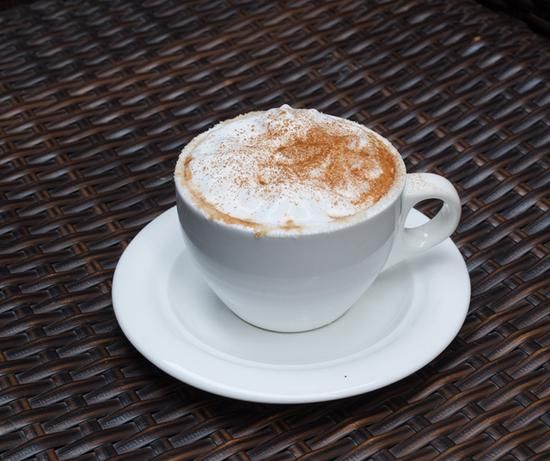
This drink started as a café experiment in Taiwan and has since become a cult favorite. Sea Salt Coffee is based on a cappuccino but swaps milk foam for a specially whipped mixture of steamed milk and sea salt foam. The salt foam sits on top undisturbed—so your first sips are salty, followed by bitter espresso, and finally balanced coffee flavor as you mix it through. The contrast of salt, bitterness, and creaminess creates three distinct layers of flavor.
6. Finland | Cheese Coffee
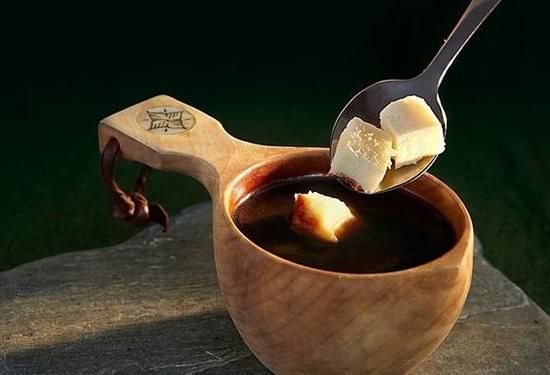
In cold climates, warmth comes in strange forms. Finnish cheese coffee involves lightly toasting a round slice of cheese (about 3cm thick) until the edges brown, cutting it into bite-sized pieces, and dropping them into a cup before pouring black coffee over the top. The result is a savory, warming drink that’s especially popular during Finland’s harsh winters. It’s an acquired taste—but a beloved tradition in Nordic cafes.
7. USA | Edible Cone Coffee

Last but not least: coffee you can eat. The Alfred Coffee & Kitchen in Los Angeles serves coffee poured into a hollow chocolate-cookie cone. Once you finish the drink, you eat the cup. The cookie is coated in chocolate and designed to hold hot liquid without disintegrating. It’s fun, Instagrammable, and 100% edible. No mug required.
Frequently Asked Questions
What is Kopi Luwak and why is it so expensive?
Kopi Luwak is coffee made from beans eaten and excreted by the Asian palm civet. The digestive process is said to reduce bitterness and improve aroma. Due to the unusual production method and rarity, a single cup can cost up to $30.
Is egg coffee safe to drink?
Yes—egg coffee uses raw egg yolk whisked with sugar and condensed milk. It’s a traditional drink in Hanoi, Vietnam, and while the idea of raw egg may be off-putting, it’s generally considered safe and is especially popular as a dessert-style coffee.
What’s in butter coffee and what does it do?
Butter coffee combines black coffee with 1–2 tablespoons each of unsalted plant butter and MCT oil. It’s high in fat (around 460 calories per cup) and is promoted for reducing hunger, aiding weight loss, and improving mental focus—though these effects vary by individual.
How is flaming coffee made?
Flaming coffee, such as the Filipino tequila-Kahlúa version, involves setting a mixture of coffee and liquors on fire and pouring it between containers to create a flaming waterfall effect. It’s a showpiece drink usually made by professionals, not for home brewing.
Why would anyone put salt on coffee foam?
Sea Salt Coffee, originating in Taiwan, tops cappuccino-style foam with a salted milk foam. The salt enhances sweetness and contrasts with the bitterness, creating a layered flavor experience with salty, bitter, and creamy notes.
What is cheese coffee and where does it come from?
Cheese coffee is a Finnish drink where a toasted slice of cheese is placed in a cup and covered with hot black coffee. The warm, savory drink is especially popular in winter and is considered comforting and traditional in Finland.
Recommended FrontStreet Beans for Exploring Unique Brews
If you're curious about unique coffee experiences, try FrontStreet's Lintong Mandheling for its bold spice, caramel, and toast notes—ideal for appreciating the complexity that fermentation can bring, much like Kopi Luwak. For something smoother and sweeter, their 2013 Yunnan Typica offers balanced chocolate and nut flavors with a medium body, perfect for experimenting with egg coffee or sea salt foam pairings. Both beans are great representations of Asia’s distinctive single-origin profiles. Freshly roasted within 5 days · Orders placed before 17:00 ship the same day · Next-day delivery across most of Guangdong Province.
FrontStreet Coffee is a long-established specialty coffee roaster in Guangzhou China, selling freshly roasted beans from its own farm in Yunnan as well as dozens of carefully selected single-origin beans from around the world for both pour-over and espresso. The products deliver consistently excellent quality and great value, with shipping within 24 hours. Guangzhou's FrontStreet Coffee shop is recommended by many coffee lovers, and the beans are now available online at the Tmall 。
Important Notice :
前街咖啡 FrontStreet Coffee has moved to new addredd:
FrontStreet Coffee Address: 315,Donghua East Road,GuangZhou
Tel:020 38364473