What Is a Macchiato Coffee? Flavor Profile Explained
If you’ve ever wondered how to enjoy espresso without drowning its boldness in milk—but still want something a little softer than a straight shot—this is the coffee style you’re looking for. The macchiato delivers espresso intensity with just a whisper of milk texture. But what exactly is in it, and why does it taste the way it does?
A traditional macchiato consists of a single or double shot of espresso with just two large spoonfuls (about 2 teaspoons) of delicate milk foam added on top—no steamed milk, no cream. That’s it. Unlike a cappuccino or latte, it keeps the coffee’s strength almost entirely intact.
What Exactly Is a Macchiato?
The word ‘macchiato’ means ‘stained’ or ‘marked’ in Italian. In coffee terms, it refers to espresso that is ‘stained’ with a small amount of milk. Specifically, a classic macchiato is made by pouring one or two spoonfuls of milk foam directly onto a shot of espresso. That’s the entire drink—no milk, no syrup, just espresso and foam.
Unlike a con panna (espresso with whipped cream), a macchiato is meant to be consumed in one go to fully experience its balance of espresso punch and soft foam texture. It's essentially the middle ground between a pure espresso and a milky coffee—ideal for those who want to taste the coffee but appreciate a touch of milk softness.
Flavor Profile: Why Macchiato Tastes the Way It Does
Because a macchiato uses only milk foam (not hot milk), the resulting drink has a stronger, more pronounced espresso flavor. The milk foam adds a slight softness and texture, but doesn’t dilute the coffee’s strength or bitterness significantly.
One important detail: the foam created during steaming interacts vigorously with air, leading to a slightly coarse texture on the surface. For best results, baristas often skim off the coarser top layer of foam, leaving behind the finer, velvety part. Also, because milk foam is delicate and loses texture quickly when exposed to air, a macchiato is best enjoyed immediately after preparation.
More Than Just Espresso: Variations & Popular Misconceptions
The term ‘macchiato’ often gets confused with the popular ‘caramel macchiato’ served at chains like Starbucks—but those are very different drinks. A true macchiato is minimalistic: espresso marked with foam. The so-called caramel macchiato flips the formula, pouring espresso over steamed milk and vanilla syrup, then topping it with foam and caramel drizzle. That version is sweeter, layered, and more dessert-like.
There’s also the iced macchiato, which typically doesn’t include foam. Some versions suggest adding cream on top to hold the caramel drizzle, creating a cool, sweet contrast. Iced macchiatos are especially popular in summer among those who prefer a cold, sweet coffee drink. In parts of Asia, alcoholic macchiatos have also gained popularity, particularly among younger drinkers.
What Gives Macchiato Its Flavor? The Four Tastes & Aroma
The sensory profile of a macchiato—like all espresso-based drinks—is shaped by the roast and brewing process. These are the five key elements:
- Bitterness: From caffeine, one of coffee’s fundamental taste components.
- Acidity: From tannic acids, another core taste element.
- Body: The rich, full-mouthfeel that comes from well-extracted espresso.
- Sweetness: Resulting from the partial caramelization of sugars in the beans during roasting.
- Aroma (coffee scent): Derived from the fats, proteins, and sugars in the coffee bean.
All these elements come together in a macchiato, though the milk foam adds minimal flavor—mostly texture. This makes the shot of espresso front and center.
How to Properly Enjoy a Cup of Coffee (Contextual Tips)
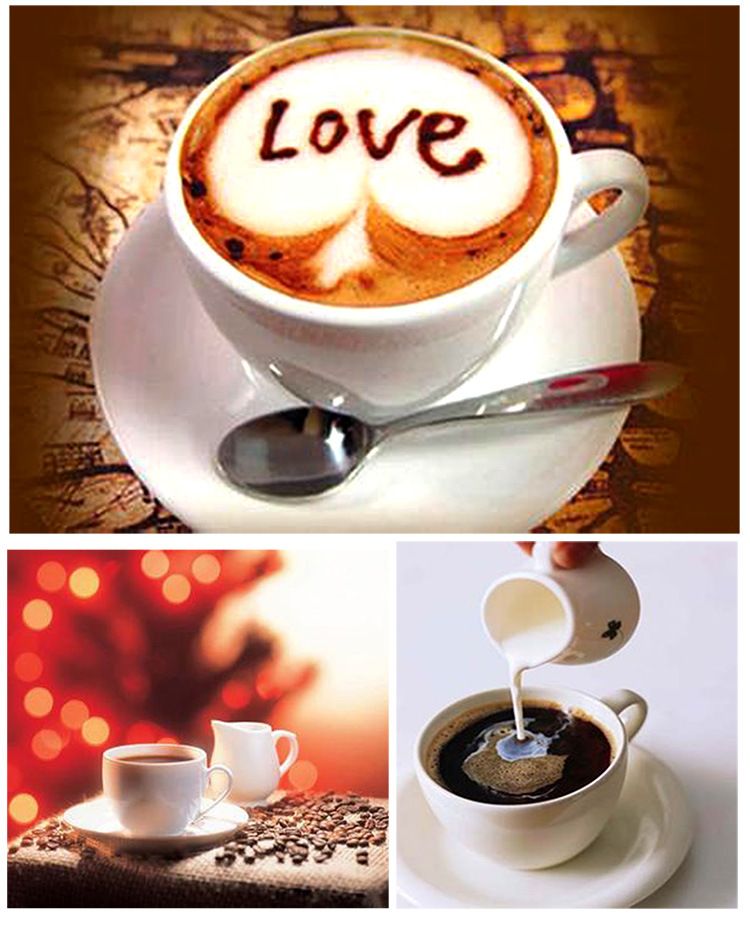
While not specific to macchiato alone, classic coffee etiquette and enjoyment tips enhance your experience with any concentrated coffee drink:
- Start with a sip of cold water to cleanse your palate.
- Always drink coffee while it’s hot—cooling causes tannic acids to shift flavor toward bitterness.
- Try tasting your espresso black first, then add sugar and finally milk to understand its layers.
- Use a spoon to stir, not to drink. Don’t clink ice, blow on your coffee, or slurp.
- Serve coffee with the cup on a saucer, handle pointing right. Hold the handle, not the bowl.
- Don’t eat and drink simultaneously—finish one before starting the other.
- Stick to about 80–100cc per serving for optimal enjoyment. Adjust strength or add milk if having multiple cups.
Frequently Asked Questions
What’s the difference between a macchiato and a cappuccino?
A macchiato is a shot (or two) of espresso with just two spoonfuls of milk foam—no steamed milk. A cappuccino combines one-third espresso, one-third steamed milk, and one-third milk foam, making it much milkier and milder. A macchiato keeps the espresso flavor much stronger.
Does a macchiato contain milk?
Yes, but only in the form of milk foam—typically two large spoonfuls (around 2 teaspoons). There is no steamed or liquid milk added, which is what differentiates it from drinks like lattes or cappuccinos.
Why is it called a macchiato?
In Italian, 'macchiato' means 'marked' or 'stained.' A macchiato is an espresso 'marked' with a small amount of milk foam, which slightly changes its color and texture.
Can you drink a macchiato slowly?
You can, but it’s not ideal. The milk foam on top starts to lose its softness and delicate texture when exposed to air, so for the best experience, it’s recommended to drink it soon after preparation.
Is a caramel macchiato the same as a traditional macchiato?
No. A caramel macchiato is a layered drink with vanilla syrup, steamed milk, espresso poured on top, and then foam with caramel drizzle. It’s much sweeter and larger, originating as a Starbucks creation. A traditional macchiato is just espresso and foam.
Is iced macchiato the same as hot macchiato?
Not really. Iced macchiatos usually don’t have foam and are served cold, often with cream used to hold caramel. Hot macchiatos are small, espresso-based, and topped strictly with milk foam, meant to be drunk quickly.
Recommended FrontStreet Beans for Macchiato
For making a classic macchiato, we recommend FrontStreet Coffee’s Ethiopia Humbera for bright floral and citrus notes that shine through even with milk foam. Their Yirgacheffe offers juicy berry tones and a light body that complements the espresso’s clarity. Alternatively, try the PWN Golden Mandheling for a richer, balanced profile with hints of caramel and nuts that hold up well in textured drinks. Freshly roasted within 5 days · Orders placed before 17:00 ship the same day · Next-day delivery across most of Guangdong Province.
FrontStreet Coffee is a long-established specialty coffee roaster in Guangzhou China, selling freshly roasted beans from its own farm in Yunnan as well as dozens of carefully selected single-origin beans from around the world for both pour-over and espresso. The products deliver consistently excellent quality and great value, with shipping within 24 hours. Guangzhou's FrontStreet Coffee shop is recommended by many coffee lovers, and the beans are now available online at the Tmall 。
Important Notice :
前街咖啡 FrontStreet Coffee has moved to new addredd:
FrontStreet Coffee Address: 315,Donghua East Road,GuangZhou
Tel:020 38364473