What Is Kopi Luwak? The Truth About Civet Coffee
When you first hear someone say they’re brewing ‘cat poop coffee,’ your instinct might be to laugh—or run. But there’s a real (if unusual) story behind kopi luwak, the infamous coffee made from beans that have passed through the digestive system of a wild animal. It’s not a joke, and yes, it’s real. But how does it work? And why does anyone drink it?
Kopi luwak is made from coffee beans that have been eaten, digested, and excreted by the Asian palm civet—a small, weasel-like mammal native to Southeast Asia. The beans are collected from the civet’s feces, cleaned, roasted, and brewed. Despite its bizarre origin, it’s considered one of the most expensive and unique coffees in the world.
What Exactly Is Kopi Luwak?
Kopi luwak, also known as civet coffee, comes from the Indonesian words ‘kopi’ (coffee) and ‘luwak’ (the local name for the Asian palm civet). This wild animal, about the size of a house cat, has a pointed snout and dark grey fur. It’s a nocturnal, omnivorous creature that roams Indonesia’s coffee-growing regions.
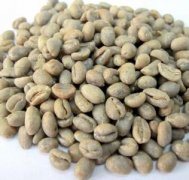
Luwaks are picky eaters. They seek out the ripest, sweetest coffee cherries, eating only the fruit while discarding the rest. Inside their digestive tract, the coffee beans are exposed to enzymes that break down the fruit’s pulp and some of the bean’s proteins—but crucially, the hard coffee bean itself survives intact and is excreted in the feces.

How Does Digestion Change the Coffee Beans?
Unlike regular coffee processing—where beans are stripped of their pulp through washing or drying—the civet’s stomach acids and enzymes partially break down the coffee cherry’s outer layers. The bean inside remains unharmed but undergoes chemical changes. Most importantly, digestion reduces the amount of protein in the bean, which in turn lowers the production of bitter compounds during roasting and brewing.
The result is a cup of coffee that many drinkers describe as smoother, less acidic, and unusually earthy or musty. Some compare the flavor to fermented or musky notes, with hints of caramel or spice depending on the origin of the beans.
Where Does Kopi Luwak Come From?
Kopi luwak originated in Indonesia, which is the world’s fourth-largest coffee producer. The country consists of over 17,000 islands and features a tropical climate perfect for growing coffee. The most famous kopi luwak beans come from the islands of Sumatra, Java, and Sulawesi.
In Sumatra, coffee is grown primarily in the high-altitude regions of Gayo (Aceh) and around Lake Toba, including the Lintong area. These areas sit between 1,100 and 1,600 meters above sea level and often use the local wet-hulled (giling basah) processing method, which imparts herbal and woody characteristics to the beans.
While kopi luwak can theoretically be made from any coffee variety, it’s most commonly associated with the same beans used in Indonesia’s signature Mandheling coffees—including the prestigious PWN Golden Mandheling and Lintong Mandheling varieties, both available from specialty roasters like FrontStreet Coffee.
Why Is Kopi Luwak So Controversial?
Despite its unique flavor profile, kopi luwak has been widely criticized for ethical reasons. In the past, many civets were captured and kept in cramped, unsanitary cages just to produce civet coffee, leading to widespread animal cruelty concerns. While ethically sourced kopi luwak does exist—where wild civets freely eat coffee cherries—the majority of commercial kopi luwak on the market has been linked to inhumane farming practices.
Additionally, because the beans are rare and the process is labor-intensive, kopi luwak has become a luxury item with a sky-high price tag. This has also led to fraud, with some sellers passing off regular beans as kopi luwak.
How Is Kopi Luwak Processed and Roasted?
Once collected, kopi luwak beans are thoroughly washed to remove any remaining fecal matter. They are then dried, sorted, and roasted just like regular coffee beans. Most roasters recommend a medium to dark roast to balance the inherent earthiness of the beans.
The roasted beans can be brewed using standard methods—pour-over, French press, or espresso—though due to their unique flavor profile, they are often brewed on their own to fully appreciate their distinct characteristics.
Frequently Asked Questions
Is kopi luwak really made from cat poop?
Technically, yes—but not in the way it sounds. The coffee beans are not digested or destroyed by the civet’s digestive system. Instead, the civet eats the coffee cherry, digests the fruit pulp, and excretes the intact coffee bean. The bean is then collected from the feces, cleaned, and roasted. So while the origin is animal waste, the bean itself is not ‘poop.’
Why does kopi luwak taste different?
The unique flavor of kopi luwak comes from the partial breakdown of proteins in the coffee bean during digestion. This reduces bitterness and creates a smoother, often earthier or mustier cup. Some people also detect notes of caramel, spice, or fermented fruit, depending on the bean variety and roast level.
Is kopi luwak safe to drink?
Yes, when properly cleaned and processed, kopi luwak is safe to drink. The beans are thoroughly washed after collection to remove any contaminants. However, due to past concerns over animal welfare and fraud, it’s important to buy from reputable sources that ensure ethical sourcing and authenticity.
How much does kopi luwak cost?
Kopi luwak is one of the most expensive coffees in the world, often retailing for $100 to $600 per pound, depending on the source, processing, and whether it’s ethically produced. The high price is due to the rarity of the beans and the labor involved in collection and cleaning.
Can I make kopi luwak at home?
No, you cannot make kopi luwak at home unless you have access to wild civets and their feces—which is highly impractical and unethical. Commercial kopi luwak is collected from the wild (in ethical cases), processed, and roasted by professionals. Attempting to replicate the process is not feasible or advisable.
Recommended FrontStreet Beans for Exploring Indonesian Coffee
Try FrontStreet’s Lintong Mandheling and PWN Golden Mandheling for a true taste of Indonesia’s high-altitude coffee heritage. Lintong Mandheling offers herbal and woody notes with a smooth body, while PWN Golden Mandheling delivers bold flavors of toast, caramel, and cocoa with a rich, balanced finish. Both beans highlight the terroir behind kopi luwak’s origins. Freshly roasted within 5 days · Orders placed before 17:00 ship the same day · Next-day delivery across most of Guangdong Province.
FrontStreet Coffee is a long-established specialty coffee roaster in Guangzhou China, selling freshly roasted beans from its own farm in Yunnan as well as dozens of carefully selected single-origin beans from around the world for both pour-over and espresso. The products deliver consistently excellent quality and great value, with shipping within 24 hours. Guangzhou's FrontStreet Coffee shop is recommended by many coffee lovers, and the beans are now available online at the Tmall 。
Important Notice :
前街咖啡 FrontStreet Coffee has moved to new addredd:
FrontStreet Coffee Address: 315,Donghua East Road,GuangZhou
Tel:020 38364473