Types of Coffee Drinks and How They're Made
Ever sat in a coffee shop staring at the menu, overwhelmed by names like 'macchiato' or 'flat white'? You're not alone. Most people order based on familiar names or pretty menus, then slowly start wondering—what actually makes a cappuccino different from a latte? Or why does an espresso taste so intense compared to your usual drink? This guide breaks down the most common coffee drinks, their ingredients, ratios, and how they’re made, starting with the one drink that ties them all together: espresso.
In short: Most popular coffee drinks are variations of espresso. A standard espresso uses 7–18g of coffee to make 30ml, while milk-based drinks like cappuccinos and lattes use 60ml of espresso (not less caffeine—as many assume—but more coffee with added milk). Espresso is the base, and understanding it helps decode almost every other coffee drink on the menu.
What Is Espresso and How Is It Made?
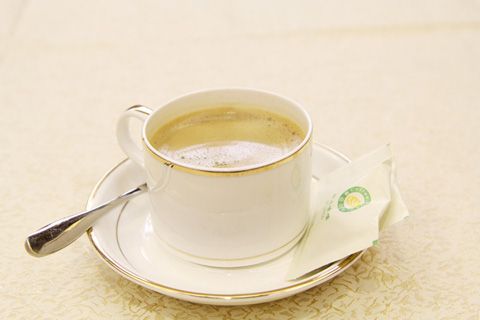
Espresso is the foundation of most coffee shop drinks. It’s a small, concentrated shot of coffee brewed under high pressure—typically using a moka pot or an espresso machine. The process forces hot water through finely-ground coffee, extracting a bold, rich shot with a thick layer of crema on top. That crema, a golden-brown foam, is a key part of espresso’s aroma and flavor. The standard brew uses about 7–18g of coffee to produce around 30ml of espresso.
The Role of Espresso in Popular Coffee Drinks
Espresso acts as the base for nearly all milk-based and flavored coffee drinks. Despite adding steamed milk or foam, the actual amount of coffee often increases. For example, a cappuccino or latte starts with 60ml of espresso (not 30ml), then adds milk—so you’re consuming more coffee, not less. That’s why experienced coffee drinkers often judge a café’s skill based on their espresso: it’s pure, unmasked, and reveals the true quality of the beans and brew.
Popular Espresso-Based Coffee Drinks
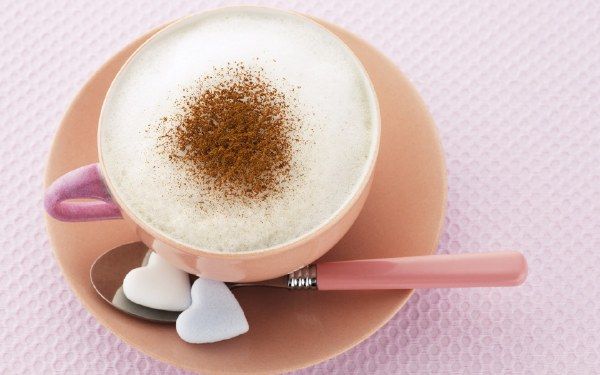
Cappuccino
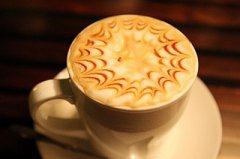
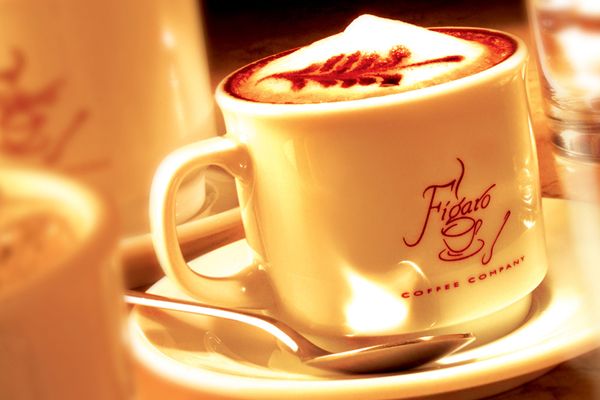
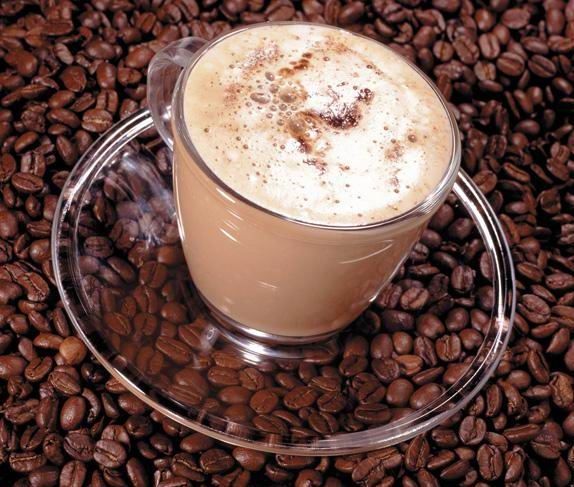
A cappuccino is equal parts espresso, steamed milk, and milk foam—1:1:1. That means 33% espresso, 33% milk, and 33% foam. The foam’s density and texture are key, making the milk foam almost as important as the coffee itself. The name comes from the resemblance of the color scheme to the brown robe and white hood of Capuchin monks.
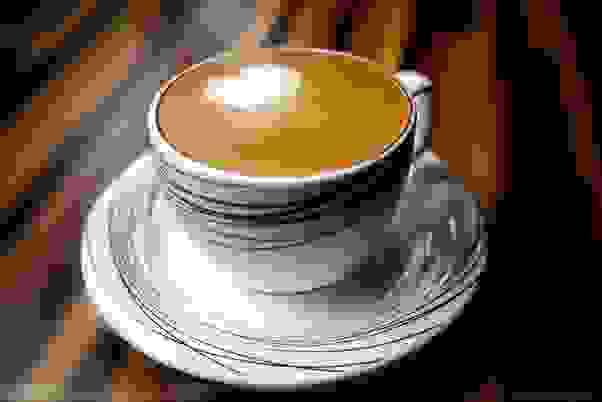
Latte (Caffè Latte)
Latte, Italian for ‘milk,’ consists of a 1:2:1 ratio of espresso, steamed milk, and milk foam. It’s creamier and milder than a cappuccino due to the higher milk content. In many places, especially in the U.S., a 'latte' is made by pouring steamed milk over espresso, often with a small amount of foam on top. Some cafés add cold milk foam to create a layered effect similar to Starbucks’ version.
Mocha (Mochaccino)
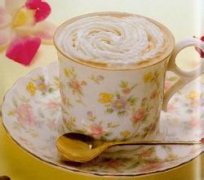
A mocha is a latte with chocolate added—usually in the form of cocoa powder or syrup. It’s essentially a sweet, dessert-like coffee drink. The original mocha refers to a blend of coffee and chocolate, and today it often includes whipped cream or marshmallows depending on the café.
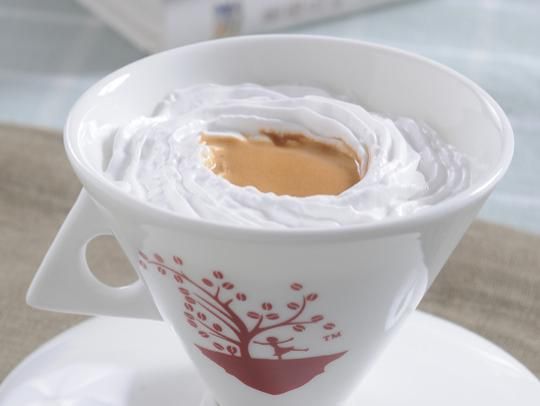
Macchiato
A macchiato is a shot of espresso 'stained' with just a small amount of steamed milk or, more traditionally, two spoons of milk foam. It’s served in a small glass or shot cup and meant to be drunk quickly. The foam slightly lightens the color of the espresso, hence the name 'macchiato,' which means 'stained' or 'marked' in Italian.
Espresso Con Panna (Con Panna)
This is a shot of espresso topped with a dollop of fresh whipped cream. Sometimes called 'single horse carriage' due to its simple yet elegant presentation, it lets the contrast between the dark coffee and white cream shine. The cream softens the espresso’s intensity without adding milk.
Café Au Lait (European-Style Latte)
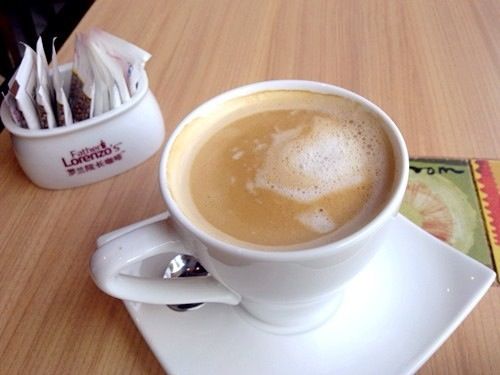
Café au lait is made by pouring equal parts brewed espresso and hot milk into a cup, then topping with foam. Unlike a latte, the milk and espresso are combined right away. It’s popular in European coffee culture and offers a gentler, smoother coffee experience with a strong milk presence.
Other Traditional Espresso Methods
Moka Pot (Stovetop Espresso)
The moka pot, an Italian invention, brews coffee using steam pressure to force water through ground coffee. While not a true espresso machine, it produces a strong, concentrated coffee with a bold flavor and slight crema. The brewing process highlights the coffee’s essential oils and produces a rich, almost espresso-like cup.
Frequently Asked Questions
What is the main difference between espresso and regular coffee?
Espresso is a concentrated coffee brewed under pressure with a 1:2 to 1:3 brew ratio (e.g., 7–18g coffee to 30ml water), resulting in a bold, rich shot. Regular drip or pour-over coffee uses a much higher water ratio (e.g., 1:15 or more) and drips through grounds without pressure, producing a lighter-bodied cup.
Why does a latte have more coffee than I thought?
A latte uses around 60ml of espresso (often two shots), then adds steamed milk and foam. Though it looks milky, the actual coffee content is higher than a single espresso—just diluted with milk. A typical latte might use a 1:2:1 ratio of espresso:milk:foam.
What’s the correct espresso to milk ratio for a cappuccino?
A traditional cappuccino uses a 1:1:1 ratio: 33% espresso (30ml), 33% steamed milk, and 33% milk foam. That means equal parts of each, focusing on texture and balance between coffee and foam.
Is a macchiato just a small latte?
No. A macchiato is a shot of espresso with just a small amount of milk foam or steamed milk—usually just a stain ('macchia') of milk to slightly lighten the espresso. It’s not a diluted drink, and it’s much smaller and stronger than a latte.
Can I make these drinks at home without an espresso machine?
You can approximate some drinks using strong brewed coffee or a moka pot instead of espresso. For true espresso-based drinks, a machine with 9 bars of pressure is ideal, but moka pots or AeroPress methods can work in a pinch for certain recipes.
Recommended FrontStreet Coffee Blends for Espresso Drinks
For making classic espresso-based drinks like cappuccinos and lattes, FrontStreet Coffee’s Classic Blend is an excellent choice. Designed for moka pots and espresso machines, it produces rich crema and a smooth, rounded profile even for beginners. The Specialty Blend offers a more refined, classic taste using Brazilian and Colombian beans, ideal for traditional espresso flavors. If you're after boldness and value, the Black Cocoa Blend delivers a dark, chocolatey profile with strong crema at a lower cost—perfect for milk drinks. Freshly roasted within 5 days · Orders placed before 17:00 ship the same day · Next-day delivery across most of Guangdong Province.
FrontStreet Coffee is a long-established specialty coffee roaster in Guangzhou China, selling freshly roasted beans from its own farm in Yunnan as well as dozens of carefully selected single-origin beans from around the world for both pour-over and espresso. The products deliver consistently excellent quality and great value, with shipping within 24 hours. Guangzhou's FrontStreet Coffee shop is recommended by many coffee lovers, and the beans are now available online at the Tmall 。
Important Notice :
前街咖啡 FrontStreet Coffee has moved to new addredd:
FrontStreet Coffee Address: 315,Donghua East Road,GuangZhou
Tel:020 38364473