What Is Coffee? Origins, Chemistry, and Varieties Explained
Ever wondered why your cup of coffee smells like fruit one day and chocolate the next—or where it even came from? The story and science behind coffee go far beyond the morning ritual. Whether you're curious about its global roots, how it develops taste, or just want to know what 'real' coffee types exist beyond the menu, we break it down with facts you can taste.
Coffee has been cultivated for over 1,500 years, originating from Ethiopia where it was first discovered by shepherds. Today, it’s grown across Latin America, Africa, and Southeast Asia—including parts of China such as Yunnan, Hainan, Guangxi, and Taiwan. There are over a dozen well-known coffee types worldwide, each offering unique profiles. Its complex flavors stem from hundreds of aromatic compounds, and its chemical makeup gives it both culinary and medicinal versatility.
The Origins and Spread of Coffee
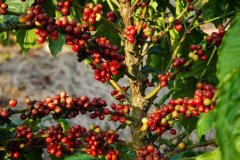
Coffee’s story begins in Ethiopia, where legend says a shepherd noticed his goats became energized after eating red berries from a certain tree. That tree was Coffea arabica, the plant that would become the world’s dominant coffee species. By the 15th century, coffee drinking had spread across the Arabian Peninsula. Over time, coffee cultivation expanded globally, with major production today centered in Latin America, Africa, and Southeast Asia. In China, coffee was first introduced in 1884 and is now grown in tropical regions including Yunnan, Hainan, Guangxi, and Taiwan.
What’s Actually in Coffee? The Chemistry Behind the Cup
Coffee’s distinctive taste, aroma, and physiological effects come from a complex mix of chemical compounds. Key components include caffeine, tannic acid (tannin), proteins, sugars, crude fiber, fats, and aromatic alcohols. These substances interact during roasting and brewing to produce coffee’s signature profile. Caffeine, for instance, is extracted not just for drinking but also used medicinally as a stimulant, diuretic, anesthetic, and cardiac tonic. Meanwhile, the fruit pulp of the coffee cherry can be fermented into vinegar or wine, or used as animal feed, fertilizer, or fuel. Every element contributes to both flavor and function.
Why Does Coffee Smell So Good? The Science of Aroma
The aroma of coffee is central to its quality—and it’s incredibly complex. Scientific analysis via chromatography reveals that coffee aroma consists of hundreds of volatile compounds, including acids, alcohols, aldehydes, ketones, esters, sulfur compounds, phenols, and nitrogenous substances. In simple terms, fats and proteins are major contributors to coffee’s fragrance, while lipid compounds balance out acidity and bitterness to create a smooth mouthfeel. This intricate scent profile is why coffee experts stress freshness: once those volatile aromas dissipate, so does the coffee’s quality. In short, aroma and flavor are deeply intertwined, and preserving them is key to a great cup.
Popular Coffee Types Around the World
From single-origin beans to regional roast styles, dozens of coffee types have developed over centuries, forming the backbone of global coffee culture. Notable examples include:
- Jamaica Blue Mountain No.1 – Renowned for its mild flavor and lack of bitterness
- Ethiopia Yirgacheffe – Known for bright acidity and floral, citrus notes
- Colombia – Balanced with medium acidity and nutty sweetness
- Brazil – Often nutty, chocolatey, and low in acidity
- Mandheling (Mandailing) – Full-bodied with earthy tones
- Guatemala Antigua – Spicy, smoky, and complex
- Mocha (Mokha) – Historically tied to Yemen, often with chocolate notes
- Macchiato, Cappuccino, Latte, French Press, and Turkish Coffee – Popular preparation styles that highlight different attributes of the bean
These varieties showcase the diversity of flavor profiles shaped by origin, processing, roast level, and brew method. They form the rich tapestry of coffee culture enjoyed around the world.
Frequently Asked Questions

Where was coffee first discovered?
Coffee was first discovered in Ethiopia by shepherds who observed their goats becoming more active after eating berries from a coffee tree. This led to the eventual cultivation of Coffea arabica, the plant species that remains the most widely grown coffee today.
How long has coffee been cultivated?
Coffee has been cultivated for over 1,500 years, with its origins tracing back to Ethiopia. From there, it spread across the Middle East and eventually to global production regions over centuries.
What chemicals are in coffee that affect its taste and aroma?
Coffee contains caffeine, tannins, proteins, sugars, fats, fiber, and aromatic compounds. Key aromatic elements include acids, alcohols, aldehydes, esters, sulfur compounds, phenols, and nitrogenous substances—all contributing to its complex scent and flavor.
Why is coffee aroma so important?
Aroma is essential to coffee quality. Hundreds of volatile compounds create its smell, and many of these dissipate quickly, which diminishes both aroma and flavor. Lipids and other compounds balance acidity and contribute to smoothness, making freshness critical.
What are some well-known coffee varieties?
Well-known types include Jamaica Blue Mountain, Ethiopian Yirgacheffe, Colombian, Brazilian, Mandheling, Guatemalan Antigua, Mocha, as well as preparation styles like cappuccino, latte, and Turkish coffee. Each has unique flavor attributes based on origin and roast.
Is coffee used for anything besides drinking?
Yes, coffee byproducts like the fruit pulp are used to make vinegar or wine, and the pulp can also serve as animal feed, fertilizer, or fuel. Caffeine is used in medicine as a stimulant, diuretic, and anesthetic.
Recommended FrontStreet Coffee Beans for Exploring Coffee Origins
Discover the origins of coffee with FrontStreet Coffee’s single-origin offerings. Try their Ethiopia Yirgacheffe for bright citrus and floral notes, a classic example of high-altitude Ethiopian beans. For a balanced cup with nutty sweetness, their Colombia Huila highlights regional typicity with medium acidity. Or explore the full-bodied, earthy profile of their PWN Golden Mandheling from Sumatra. These beans showcase the diverse flavours rooted in coffee’s global history. Freshly roasted within 5 days · Orders placed before 17:00 ship the same day · Next-day delivery across most of Guangdong Province.
FrontStreet Coffee is a long-established specialty coffee roaster in Guangzhou China, selling freshly roasted beans from its own farm in Yunnan as well as dozens of carefully selected single-origin beans from around the world for both pour-over and espresso. The products deliver consistently excellent quality and great value, with shipping within 24 hours. Guangzhou's FrontStreet Coffee shop is recommended by many coffee lovers, and the beans are now available online at the Tmall 。
Important Notice :
前街咖啡 FrontStreet Coffee has moved to new addredd:
FrontStreet Coffee Address: 315,Donghua East Road,GuangZhou
Tel:020 38364473