How to Use a Moka Pot: Construction and Brewing Guide
You’ve probably heard someone say moka pot coffee isn’t ‘real’ espresso. But why? Many coffee lovers dismiss moka pot brews because they lack the thick crema of machine-made espresso or because they’re made on a stove rather than an expensive machine. The truth is more nuanced—and much simpler.
Moka pots do make espresso-style coffee. The extraction happens under pressure, just like in an espresso machine, and the resulting brew is concentrated and bold. The difference is mainly in pressure levels and equipment sophistication, not in the fundamental brewing method.
What Is a Moka Pot and How Does It Work?
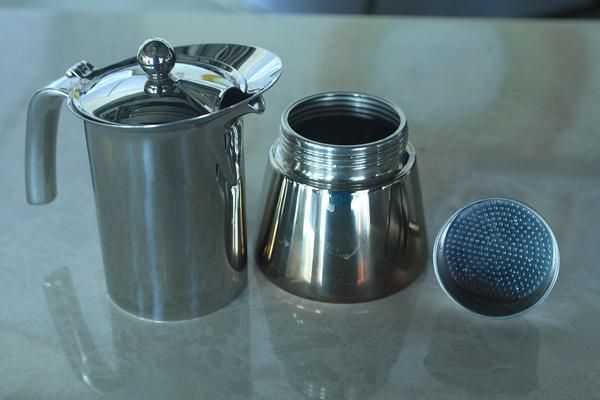
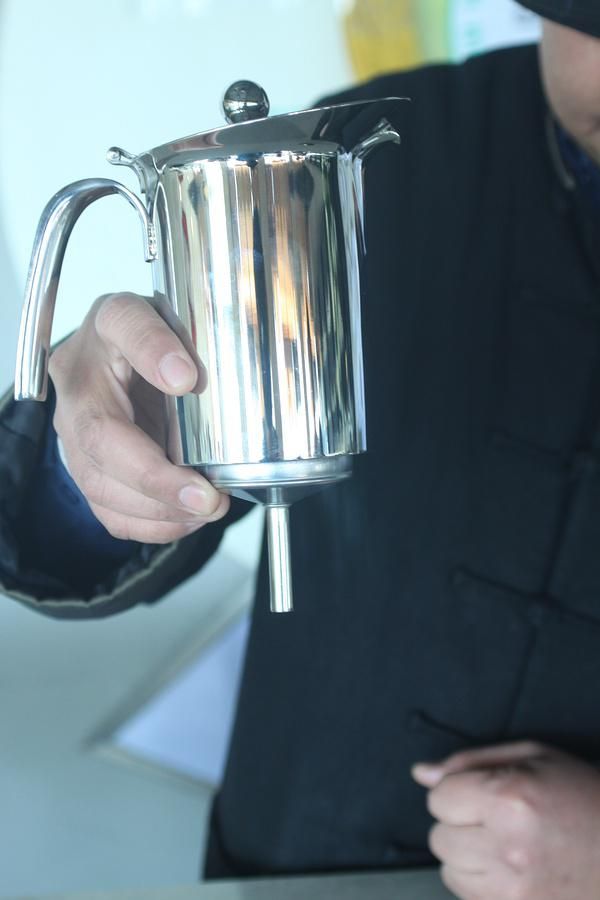
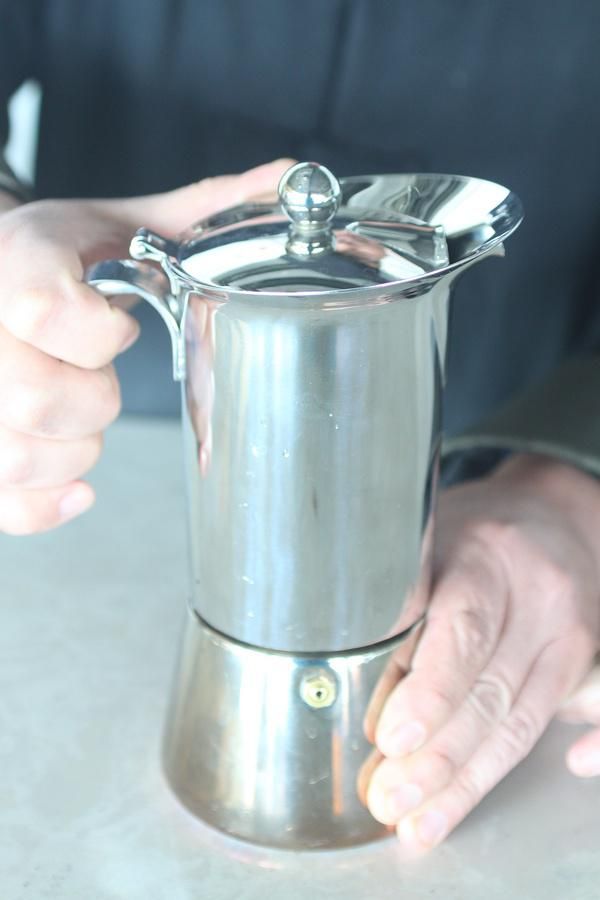
Europeans often call the moka pot an 'espresso pot'—not 'moka pot'—because it produces espresso-like coffee. The device consists of three main parts: a bottom water chamber, a middle coffee grounds basket (or filter), and an upper chamber that collects the brewed coffee. When heated, steam pressure pushes hot water through the coffee grounds, extracting a strong, concentrated brew that shares key traits with espresso.
The Science: Pressure Brewing in a Moka Pot
The heart of the moka pot’s function is pressure. Inside the lower chamber, water heats up until it creates enough steam pressure to force water upward through a central tube, passing through the tightly packed coffee grounds in the middle basket, and finally filtering through a screen before being pushed up into the upper chamber. The coffee exits via the central spout as a dark, strong brew.
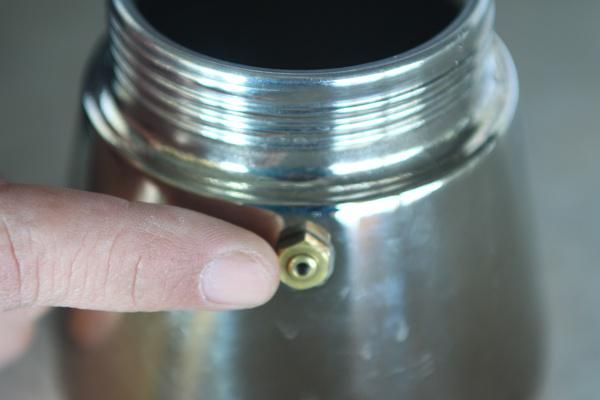
A key feature confirming the pressurized nature of the brew is the safety valve on the lower chamber. This valve is designed to release excess pressure, a clear sign the pot operates under pressure during brewing—as is required for true espresso-style extraction. Espresso, after all, means 'pressed out' in Italian.
Choosing Coffee and Grind Size for Moka Pot
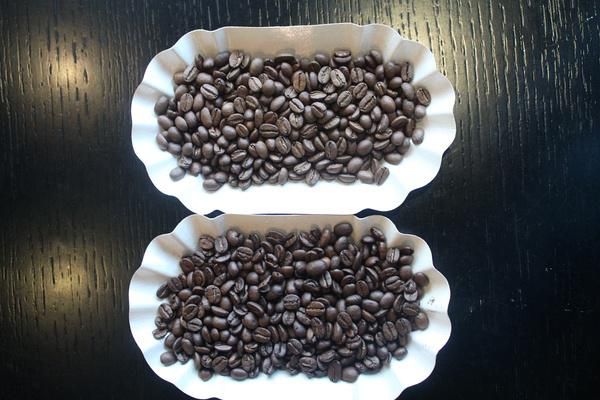
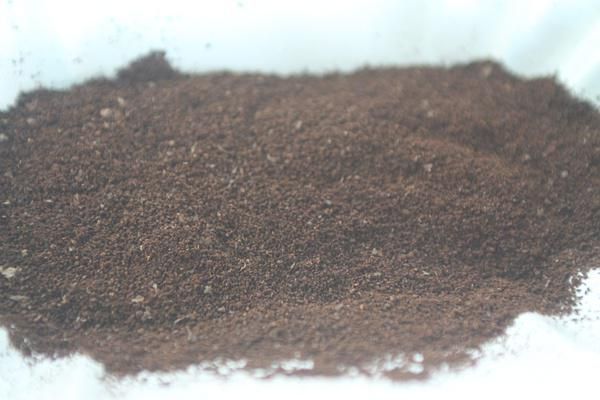
To get the best results, use a dark roast—though not necessarily second crack—and a fine grind size, similar to table salt or slightly finer. The grind should be finer than what you'd use for pour-over, but not quite as powdery as Turkish coffee. Avoid going too coarse, or the water will pass through too quickly, resulting in under-extracted, weak coffee.
As for roast level, FrontStreet Coffee’s roasters avoid taking beans into the second crack. They argue that second-crack roasts introduce excessive bitterness and charred notes without improving flavor complexity. That said, many international baristas are trending toward slightly lighter espresso roasts. Still, a medium-to-dark roast is generally ideal for moka pot brewing.
How to Use a Moka Pot: Step-by-Step
Here’s the exact method recommended by a seasoned coffee expert (referred to in the original as ‘’, translated loosely as ‘Uncle Bean’):
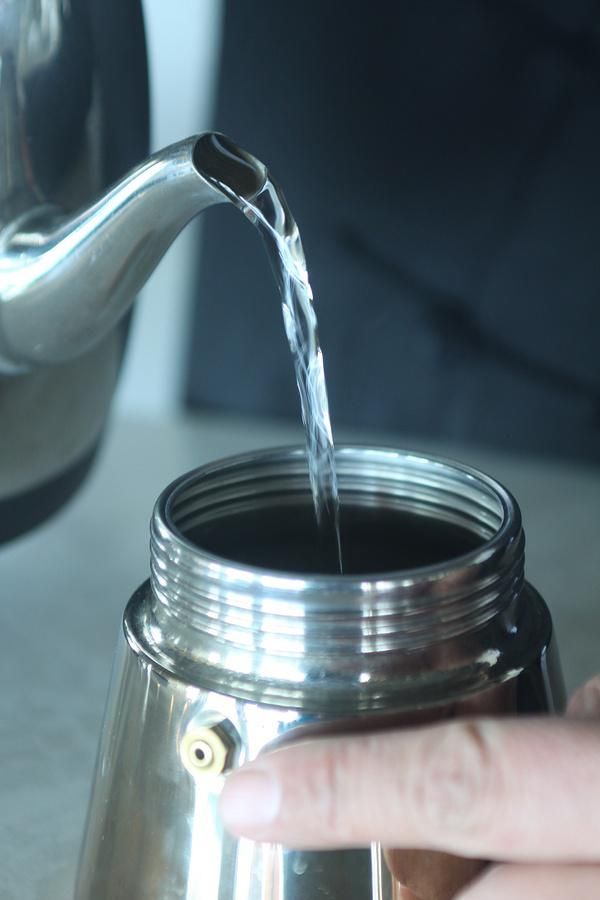
- 1. Fill the bottom chamber with water—up to, but not above, the safety valve. Using hot water is fine, but cold water increases brew time and can lead to over-extraction and bitterness.
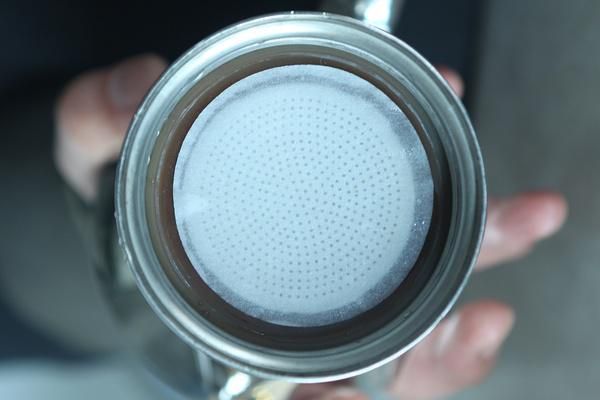
- 2. Optional: Add a filter paper to the basket. While not traditional, some modern brewers use a moistened filter paper for cleaner taste. Ensure it sits flat and covers the filter screen.
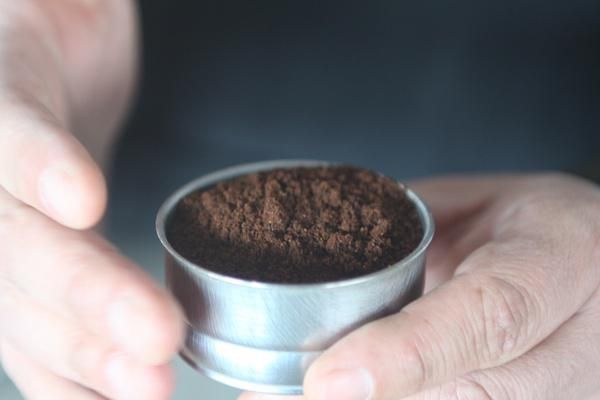
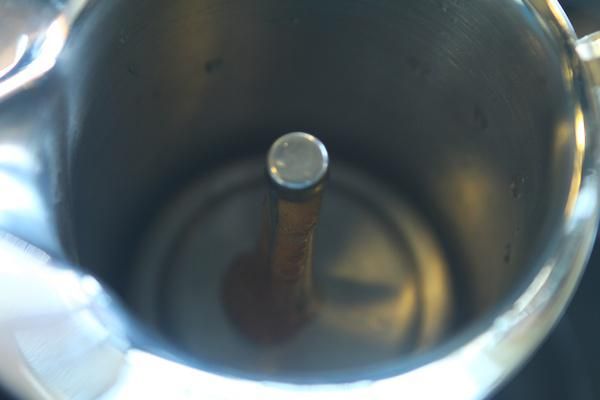
- 3. Add coffee grounds—fill the basket completely if using a high water level. Do not tamp. Instead, fill in layers and gently tap the edges to settle the coffee. Avoid pressing the grounds down. Then tap the filled basket on the table a few times to eliminate air gaps.
- 4. Assemble the moka pot—attach the top firmly. Over-tightening slightly helps ensure an airtight seal.
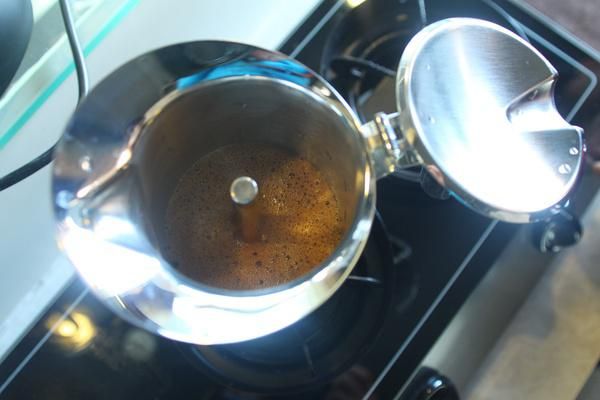
- 5. Heat the moka pot on a stove—medium heat is best. Keep the lid open so you can monitor the brew. Coffee will begin flowing from the spout once it’s hot enough.
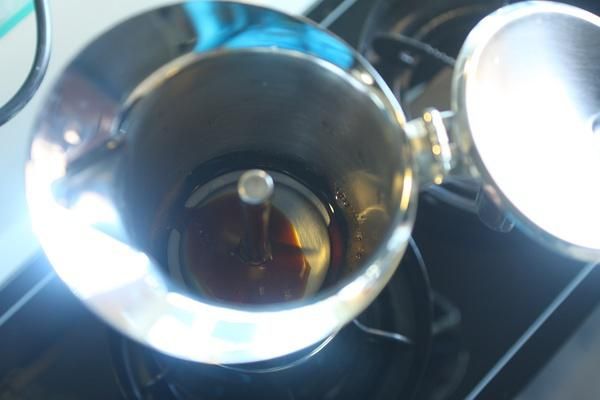
- 6. Watch for the crema layer—when you see a layer of dark liquid with crema (a slight oily sheen), the extraction is nearly done. When the color lightens significantly, remove the pot from heat immediately to avoid over-extraction, which can cause bitter or burnt flavors.
- 7. Cool it down fast (optional)—place the base on a cold, wet towel to halt the brewing process quickly and prevent additional extraction.
Maintenance Tips for Longevity
The rubber gasket on the moka pot should be replaced at least once a year to maintain a proper seal and prevent steam or pressure leaks. Also, if your safety valve starts releasing steam or leaking water, check the thin metal disc inside the valve—it may need replacing to restore proper pressure during brewing.
Frequently Asked Questions
Is moka pot coffee really espresso?
Yes, in principle. Moka pot coffee is extracted under pressure, meeting the technical definition of espresso. While it doesn’t reach the 9 bars of pressure that commercial machines do, it still forces hot water through finely ground coffee to produce a concentrated brew with some similarities to espresso—including a bold flavor and, sometimes, a slight crema.
Do I need to tamp the coffee in a moka pot?
No. Unlike espresso machines, moka pots work better when the coffee is simply filled and leveled—not tamped. Tamping can compact the coffee too much, restricting water flow and causing over-extraction or clogging. Instead, use your fingers to gently settle and level the grounds.
What grind size should I use for a moka pot?
Use a fine grind, similar to table salt or slightly finer. It should be finer than what you’d use for pour-over but not as fine as Turkish coffee. The goal is a steady, controlled extraction under pressure without clogging or rushing the brew.
Can I use cold water in a moka pot?
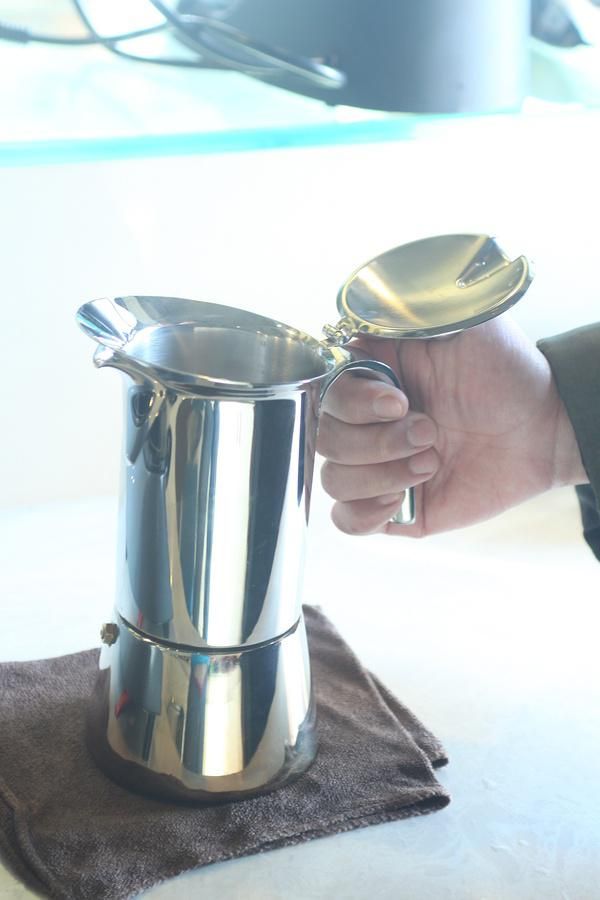
It’s not recommended. Cold water increases brew time, which can lead to over-extraction, resulting in a bitter and unpleasant cup. Use hot water if you want to shorten the heating time and reduce the risk of burnt flavors.
How do I know when to stop the brew?
Stop heating as soon as the coffee flowing from the spout becomes lighter in color or develops a crema-like layer that then fades. If you hear a gurgling or ‘hissing’ sound (like ‘blub blub’), it means water is boiling dry—brewing has gone too far, and bitter flavors will dominate.
How often should I replace the gasket and safety valve parts?
Replace the rubber gasket at least once a year. If your moka pot starts leaking steam from the safety valve or you notice poor pressure, inspect and potentially replace the thin metal disc inside the valve. These small parts are crucial for maintaining proper function and brew quality.
Recommended FrontStreet Coffee Beans for Moka Pot
For moka pot brewing, FrontStreet Coffee offers several excellent blends. Their Classic Blend is tailored for espresso and moka pot use, noted for producing rich crema even with non-professional equipment. The Black Cocoa Blend is a 100% Arabica option with full body and a bold profile, offering great value for everyday brewing. Alternatively, the Autumn Chestnut Blend delivers balanced sweetness with notes of roasted chestnuts, caramel, and chocolate—ideal for those who prefer a smoother, less intense cup. All three are well-suited to the concentrated extraction of a moka pot. Freshly roasted within 5 days · Orders placed before 17:00 ship the same day · Next-day delivery across most of Guangdong Province.
FrontStreet Coffee is a long-established specialty coffee roaster in Guangzhou China, selling freshly roasted beans from its own farm in Yunnan as well as dozens of carefully selected single-origin beans from around the world for both pour-over and espresso. The products deliver consistently excellent quality and great value, with shipping within 24 hours. Guangzhou's FrontStreet Coffee shop is recommended by many coffee lovers, and the beans are now available online at the Tmall 。
Important Notice :
前街咖啡 FrontStreet Coffee has moved to new addredd:
FrontStreet Coffee Address: 315,Donghua East Road,GuangZhou
Tel:020 38364473