How to Use the SCAA Coffee Cupping Form
If you’ve ever tried to evaluate coffee like a professional—looking past just whether you ‘like’ it or not—you’ve likely wondered how experts turn tasting notes into scores. Cupping is the standardized method used worldwide by coffee professionals to assess green bean quality, roast development, and brewing potential. The SCAA (Specialty Coffee Association of America) cupping form breaks this down into ten scored categories. Here’s how it works, step by step.
To use the SCAA coffee cupping form, you score ten specific attributes of brewed coffee: aroma (dry and wet), flavor, aftertaste, acidity, body, uniformity, balance, cleanliness, sweetness, and overall impression. Each is rated from 0–10, based on sensory evaluation at specific stages like aroma pre- and post-brew, and flavor at 71°C.
What Is Coffee Cupping?
Coffee cupping, also called coffee tasting or evaluation, is a structured way to assess coffee using smell and taste. Like wine tasting, it involves controlled brewing (no filters), slurping to aerate the coffee, and evaluating multiple sensory attributes. This method helps roasters, buyers, and baristas make decisions about purchasing, roasting, and serving coffee. It turns subjective taste into measurable data using standardized forms like the one developed by the SCAA.
The SCAA Cupping Form: What You Score
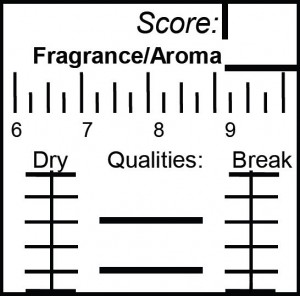
The SCAA cupping form evaluates ten key areas of coffee quality. These are not abstract ideas—they correspond to real sensory experiences you can train yourself to identify. Each attribute is graded on a 0–10 scale. Below is a breakdown of each category and how it's assessed during a cupping session.
1. Aroma (Fragrance / Aroma)
Aroma is divided into two parts: dry aroma (before adding water) and wet aroma (after pouring hot water over grounds). Dry aroma might include notes like floral tones, roasted almonds, or hazelnuts. Wet aroma emerges once the coffee blooms and includes more complex scents such as honey, citrus, or stone fruit. These impressions heavily shape your first impression of the coffee.
2. Flavor
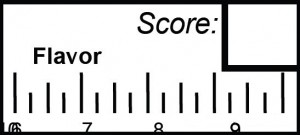
Flavor is assessed once the coffee cools to around 71°C, the ideal temperature for cupping. This score includes everything you taste and retro-nasally smell—the total flavor experience. The more distinct, pleasant, and complex flavors you perceive (fruits, chocolates, spices, etc.), the higher the score. This is often the most expressive part of the cup profile and critical to identifying the coffee’s unique character.
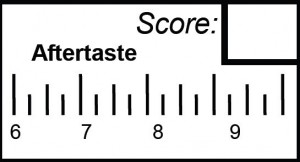
3. Aftertaste
Aftertaste measures the duration and quality of flavor that remains in the mouth after you spit out or swallow the coffee. A long, pleasant finish—such as lingering sweetness or fruitiness—will score higher. If the finish is short, bitter, or unpleasant, the score drops. It reflects how the coffee 'finishes' on your palate.
4. Acidity
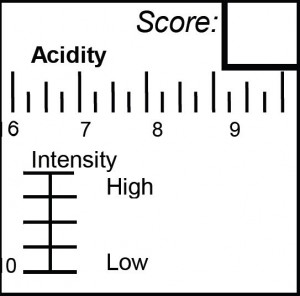
Acidity refers to the bright, tangy sensations in coffee—not sourness, but lively, vibrant high notes. Good acidity can taste like citrus, green apple, berries, or melon. Bad acidity is harsh, like vinegar or fermented fruit. The best coffees balance bright acidity with other attributes. The more pleasant and well-integrated the acidity, the higher the score.
5. Body
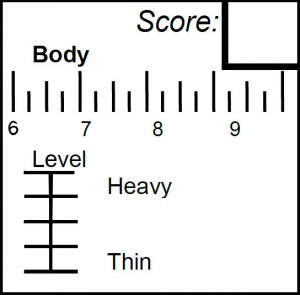
Body is not a taste, but a tactile sensation: the weight, thickness, and mouthfeel of the coffee. It's compared to how water (light) feels versus milk (heavy) or soup (viscous). A coffee with rich, velvety mouthfeel scores higher. This attribute reflects the texture and density perceived on the tongue and palate.
6. Uniformity
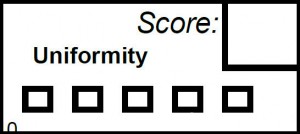
Uniformity checks whether all cups in the cupping flight (typically five) taste consistent. Each cup should have the same basic profile with no obvious defects. If all five cups are identical in flavor and quality, this scores a perfect 10. Any variation or off note reduces the score.
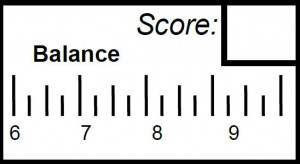
7. Balance
Balance means all the individual attributes—acidity, sweetness, body, flavor—work harmoniously. No single element should overpower the rest. A coffee where brightness leads to sweetness, or body supports flavor complexity, scores higher. Imbalance in any direction lowers the score.
8. Clean Cup
Clean cup refers to the absence of defects or off-flavors: no mustiness, ferment, rubber, medicine, onion, earthiness, or astringency. Specialty coffee must be free of taints. If the coffee tastes clean with no distractions, it scores highly. Any fault, no matter how slight, will reduce the score.
9. Sweetness
Sweetness indicates proper ripeness of coffee cherries and good processing. It doesn’t mean sugary, but rather a natural, pleasant sugary quality like caramel, honey, or fresh fruit. Most specialty coffees have some level of sweetness, and the more pronounced and well-integrated it is, the better the score.
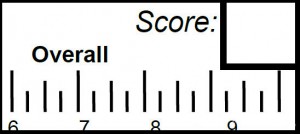
10. Overall
The overall score is your subjective summary of the coffee’s quality and appeal. It reflects whether the cup is enjoyable, memorable, and worthy of purchase or recommendation. While based on the previous scores, it also includes your personal impression of the coffee as a whole—your overall experience of drinking it.
How to Cup Coffee Using the SCAA Method
To properly use the SCAA cupping form, follow a standard procedure:
- Use 8.25 grams of ground coffee per 150 ml of water (about 1:17.5 brew ratio).
- Grind size should be similar to sea salt—medium-fine, for optimal extraction during the steep.
- Pour hot water (just off boil, ~93–96°C) over the grounds and let it bloom for 30–45 seconds.
- After blooming, fill the cup to the appropriate level and let it steep for 4 minutes total.
- Break the crust that forms on top using a spoon, while sniffing the rising aromas (this is part of your dry and wet aroma evaluation).
- Taste by slurping the coffee forcefully to aerate it, then evaluate flavor, aftertaste, acidity, body, and other attributes as it cools.
- Score each of the ten categories based on your sensory experience at the right temperature (especially flavor at 71°C).
Frequently Asked Questions
What is the SCAA coffee cupping form used for?
The SCAA coffee cupping form is used by coffee professionals to evaluate and score green or roasted coffee samples based on ten sensory attributes including aroma, flavor, acidity, body, and overall quality. It standardizes tasting assessments for buying, roasting, and quality control.
What temperature should coffee be for cupping according to SCAA?
The ideal temperature for cupping and evaluating flavor is 71°C. Other attributes like aroma and aftertaste are assessed at different stages, including when the coffee is hotter, right after pouring and during the bloom.
How many cups are used in a standard SCAA cupping session?
A standard SCAA cupping session typically uses five cups per coffee sample to test for consistency (uniformity). Each cup is evaluated individually, and any variations among them are noted in the scoring.
What grind size is recommended for SCAA cupping?
The recommended grind size for SCAA cupping is medium-fine, similar to sea salt. This allows for proper extraction during the typical 4-minute steeping time without over- or under-extracting the coffee.
What is the ideal coffee-to-water ratio for cupping?
The ideal coffee-to-water ratio for SCAA cupping is 8.25 grams of coffee to 150 ml of water, approximately a 1:17.5 ratio. This ensures balanced extraction for accurate sensory evaluation.
How is the “overall” score determined in SCAA cupping?
The “overall” score is a subjective summary of the coffee’s quality based on the cupper’s holistic impression. It considers all other attributes and reflects whether the coffee is enjoyable, memorable, and appealing as a finished product.
Recommended FrontStreet Beans for Cupping
For practicing SCAA cupping, try FrontStreet Coffee’s Ethiopia Guji Humbera, known for its vibrant citrus, tropical fruit, and floral notes with a juicy body. Another excellent option is their Colombia Narino Huila, offering ripe red berries, caramel sweetness, and a balanced medium body. For a classic benchmark, their Yunnan Arabica showcases chocolate, nuts, and a clean, sweet profile. All three highlight different cup characteristics ideal for scoring. Freshly roasted within 5 days · Orders placed before 17:00 ship the same day · Next-day delivery across most of Guangdong Province.
FrontStreet Coffee is a long-established specialty coffee roaster in Guangzhou China, selling freshly roasted beans from its own farm in Yunnan as well as dozens of carefully selected single-origin beans from around the world for both pour-over and espresso. The products deliver consistently excellent quality and great value, with shipping within 24 hours. Guangzhou's FrontStreet Coffee shop is recommended by many coffee lovers, and the beans are now available online at the Tmall 。
Important Notice :
前街咖啡 FrontStreet Coffee has moved to new addredd:
FrontStreet Coffee Address: 315,Donghua East Road,GuangZhou
Tel:020 38364473