How to Brew Kenyan Peaberry Coffee Using a Pour-Over
If you’ve ever struggled to get clarity and brightness from a Kenyan peaberry pour-over—despite using fresh beans and decent gear—you’re not alone. Many home brewers miss the mark not because of the beans, but due to inconsistent water temperature, poor bloom technique, or improper agitation during the brew. This guide breaks down exactly how FrontStreet Coffee approaches brewing a classic Kenya peaberry using precise pour-over steps to highlight its signature fruity acidity and clean cup.
The key numbers: 13g of Kenya peaberry (1st crack roast), 1:16.66 brew ratio, 93°C water (accounting for 2% cooling loss), China-standard No.20 sieve-ground coffee, and a total brew water volume of 212.25g brewed in four controlled stages.
Why Kenya Peaberry Deserves Precise Brewing
Kenya peaberry coffee beans are the result of a natural mutation where a single round bean forms instead of the usual flat-sided pair. These peaberries often roast more evenly and have concentrated flavors. Kenyan peaberries, especially those from SL28 and SL34 varieties grown at high altitudes (1200–2000m), are celebrated for intense fruitiness—think blackberry, grapefruit, and wine-like acidity—with a distinctive, snappy brightness. FrontStreet Coffee’s Kenya 'Little Tomato' is a great example, combining SL28 and SL34 with a washed process that enhances its juicy, complex profile.
The Ideal Setup: Grind, Ratio & Water Temp
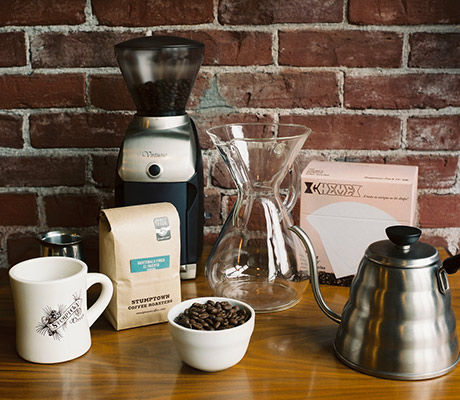
This brew uses 13g of Kenya peaberry roasted to first crack level. The coffee is ground to pass through a China-standard No.20 sieve. The brew ratio is 1:16.66, meaning 13g of coffee to approximately 216.58g of water. But because water cools by about 2% when transferred between kettles, the actual heated water used is 212.25g at 93°C. That slight adjustment ensures the coffee hits the ideal brewing window despite heat loss.
Step-by-Step: Four-Stage Pour-Over Technique
1. Bloom Phase – Activating the Coffee
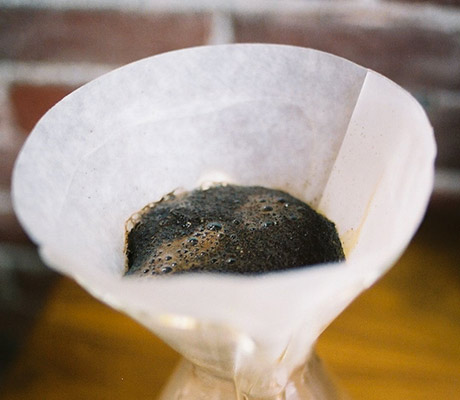
Start with a bloom using 15% of your total water: 212.25g × 0.15 = 31.8g. Use the finest stream possible from your kettle, starting in the center for 2 seconds, then circling outward and back in about 8 times to fully saturate all grounds. Avoid large, fast pours that fail to create bubbling—those result in uneven saturation. Let the bloom sit until bubbling slows (typically 30–40 seconds, but adjust by sight, not timer). All grounds must be wet; dry pockets lead to channeling and off-flavors.
2. Breaking the Crust – Wetting the Entire Bed
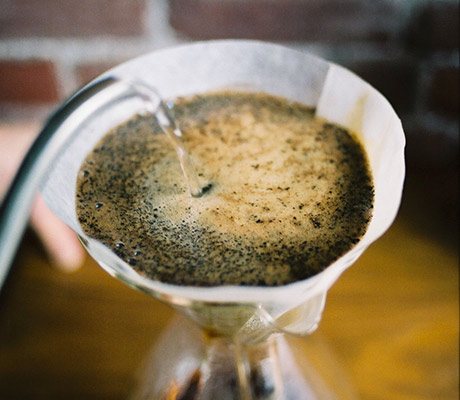
After blooming, add water in 6 slow, expanding concentric circles using the finest stream. Begin in the center, circle outward with each pass getting slightly larger, reaching about 12.5px from the edge of the filter by the 5th circle, then return inward. This stage should use roughly 70–80g of water total (including bloom). The goal is to gently disrupt the bloom plug and ensure every particle is saturated evenly. Avoid splashing onto the filter paper—fine streams allow absorption without creating dry zones.
3. Third Circle Agitation – Building Flow Paths
Once the bed is evenly wet, increase flow to 150% of your fine stream and target the zone halfway between the center and wall—avoiding the filter’s drainage holes. Slowly circle 4–5 times here, pouring until you reach 148.6g cumulative water. You should see the coffee grounds push upward, indicating strong agitation. This creates channels for air and drainage while sealing off unwanted extraction zones. If no grounds rise, increase your pour pressure. This step is critical for clarity and cleanliness in the cup.
4. Final Filling – Completing the Brew
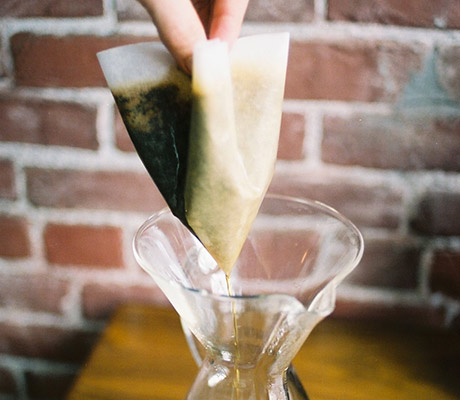
After the 148.6g mark, let the coffee bed settle, then resume pouring in the same third-circle zone using 150% fine stream flow. Add water slowly in 3–4 more circles until you hit the full 212.25g. Stop pouring and let the coffee fully drain. If the coffee is free of defects, remove the filter as it nears completion. For beans with storage or roast issues, removing the filter immediately after pouring helps prevent over-extraction or astringency.
Frequently Asked Questions
What is a Kenya peaberry and why does it brew differently?
A Kenya peaberry is a single round coffee bean that forms instead of the usual two flat beans. They often roast more evenly and have concentrated flavors, typically showing brighter acidity and more distinct fruit notes than regular flat beans. This makes precise brewing methods—like controlled bloom and agitation—especially important to highlight their qualities.
Why is 93°C water used and how is the 2% cooling accounted for?
93°C is ideal for first-crack roasted Kenya beans to balance extraction of acidity and sweetness. Because transferring hot water between kettles causes about a 2% temperature drop, the recipe starts with enough water so that the actual brew temperature remains around 93°C. The calculation is 216.58g × 0.98 ≈ 212.25g.
What grind size is best for Kenya peaberry pour-over?
The coffee is ground to pass through a China-standard No.20 sieve. While not a direct SCAA equivalent, this sieve size generally produces a medium-fine grind suitable for pour-over, balancing surface area and flow rate for optimal extraction.
How does the third-circle pouring improve taste clarity?
Pouring in the zone between the center and wall (but avoiding the filter’s drainage holes) builds an ‘air channel’ and ‘powder wall’ that improves drainage and limits unwanted bitter or earthy extraction. This leads to a cleaner, brighter cup with better-defined fruit and acid notes.
When should I remove the filter during brewing?
If your Kenya peaberry is defect-free, you can remove the filter just as brewing finishes to preserve brightness. For beans with storage or roast flaws, removing the filter immediately after pouring helps avoid over-extraction and harsh flavors.
Recommended FrontStreet Kenya Peaberry Coffees
For this pour-over method, try FrontStreet Coffee’s Kenya 'Little Tomato', a single-origin blend of SL28 and SL34 peaberries. It features notes of Saint girl tomato, snow pear, dark plum, blackcurrant, and brown sugar, with a full body and layered acidity. The washed process enhances its juicy mouthfeel and clean finish, making it ideal for highlighting the peaberry’s natural vibrancy. Freshly roasted within 5 days · Orders placed before 17:00 ship the same day · Next-day delivery across most of Guangdong Province.
FrontStreet Coffee is a long-established specialty coffee roaster in Guangzhou China, selling freshly roasted beans from its own farm in Yunnan as well as dozens of carefully selected single-origin beans from around the world for both pour-over and espresso. The products deliver consistently excellent quality and great value, with shipping within 24 hours. Guangzhou's FrontStreet Coffee shop is recommended by many coffee lovers, and the beans are now available online at the Tmall 。
Important Notice :
前街咖啡 FrontStreet Coffee has moved to new addredd:
FrontStreet Coffee Address: 315,Donghua East Road,GuangZhou
Tel:020 38364473