What’s Happening with Kenyan Coffee Today?
When you pay a premium for a cup of Kenyan coffee, you expect bright acidity, complex fruit, and wine-like depth—but what if the very system that ensures those qualities is falling apart? Kenya’s coffee auctions, long the backbone of its high-end export trade, are under pressure as political unrest and market confusion threaten farmer livelihoods and the future of iconic varieties like SL28 and SL34.
Kenya is renowned for its high-scoring, complex coffees with vivid acidity and wine-like tones. These beans often score well above specialty averages, thanks to elite varieties, careful processing, and a once-reliable auction system—but today, both quality and market access are at risk.
What Makes Kenyan Coffee So Special?
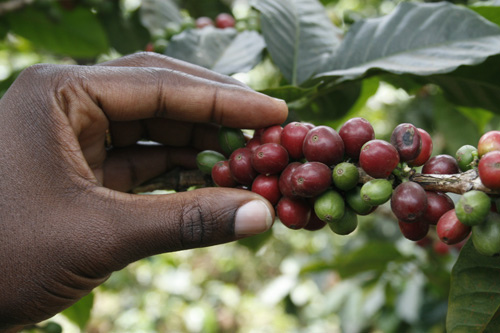
Kenya produces some of the most distinctive specialty coffees in the world. Its best lots feature a clear, bright, and juicy acidity that carries through the entire palate. Flavors commonly include complex fruit notes—think blackberries, citrus, and even subtle spices—along with a rare, wine-like (often citrusy or grapefruit-forward) character. The cup is exceptionally clean and vibrant, a hallmark of high-altitude growing and meticulous processing.
These traits are not accidental. They stem from Kenya’s ideal high-elevation growing regions (typically 1,200–2,000 meters above sea level), where cooler temperatures slow ripening and develop complex sugars and acids. The country’s famed SL28 and SL34 varieties are particularly adept at expressing these qualities, with SL28 bringing deep, winey complexity and citrus depth, while SL34 offers balanced fruit acidity with nutty and spicy undertones.
The Role of Kenya’s Coffee Auctions
Historically, Kenya’s coffee auction system has been a model of transparency and quality-based competition. Farms and cooperatives deliver their lots—often 600 or more per week from Nairobi alone—to central auctions where buyers bid based on cup quality. The highest prices go to the best lots, rewarding farmers for growing exceptional coffee. This competitive environment has helped drive Kenya’s reputation for consistency and excellence.
However, the system is now under strain. Political instability within Kenya has disrupted auction schedules and buyer confidence. When farmers can’t secure fair returns through auctions, many switch to planting lower-quality, higher-yield varieties like Ruiru 11, which are more resistant to pests but lack the distinctive cup profile of SL28 or SL34. This shift threatens the long-term viability of Kenya’s premium coffee segment.
Varieties, Processing, and Seasons
Kenya grows a range of coffee varieties, but the most celebrated are SL28 and SL34, both developed by the Scott Laboratories (SL) in the 1930s. Other traditional varieties include Bourbon, Kent, and Typica, though Ruiru 11 and other hybrid types are increasingly common due to disease resistance and yield priorities.
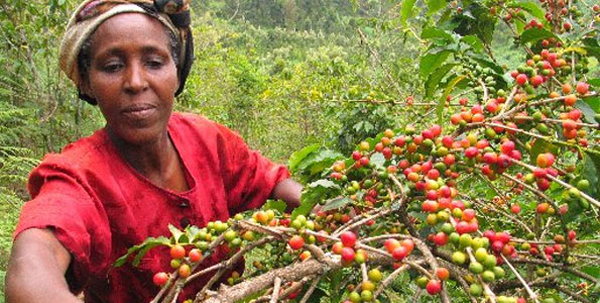
The country’s coffee is primarily harvested twice a year: during the main season from October to December, and a smaller, irregular harvest from June to August. Processing follows the classic washed method, with a unique Kenyan twist. After depulping, coffee cherries ferment for 48 hours, then the mucilage is fully washed off before the beans undergo an additional 24-hour soak in clean water. This extended fermentation and washing cycle enhances the coffee’s fruity clarity and juiciness, contributing to its signature profile.
Kenya’s Coffee History and Market Challenges
Coffee arrived in Kenya in 1893 from Bourbon Island, with local church communities beginning cultivation by 1911—a detail that hints at the crop’s deep cultural roots. Over the 20th century, Kenya developed a sophisticated coffee infrastructure, including variety research, farmer training, and its famed auction system. Yet today, that legacy faces serious threats.
Beyond political instability, the Kenyan coffee market suffers from increasing confusion among international buyers. Despite its fame, Kenyan coffee is often misrepresented or diluted in blends, making it harder for consumers to find authentic, high-quality lots. The country’s most iconic coffees remain sought-after worldwide, but the gap between reputation and reality is widening as auction integrity weakens and variety selection shifts.
Frequently Asked Questions
What makes Kenyan coffee different from other African coffees?
Kenyan coffee is known for its exceptionally bright acidity, complex fruit flavors (like blackberry and citrus), and a rare wine-like or grapefruit tone. It’s processed using an extended washed method with a 48-hour fermentation and 24-hour soak, enhancing its clarity and juiciness. Varieties like SL28 and SL34 contribute to its unique profile, which is distinct from the lighter Yirgacheffe or heavier Ethiopian profiles.
Why are SL28 and SL34 so important to Kenyan coffee?
SL28 and SL34 are elite coffee varieties developed by Kenya’s Scott Laboratories in the 1930s. They’re renowned for their ability to produce high-acidity, complex, wine-like cups with deep citrus and stone fruit notes. These varieties thrive at high altitudes and are largely responsible for Kenya’s reputation for some of the most vibrant and distinctive specialty coffees in the world.
How does the Kenyan coffee auction system work?
Kenya’s auction system allows farmers and cooperatives to sell their coffee lots through competitive bidding weekly in centers like Nairobi. The highest bidders typically reward the best-cupped coffees, creating an incentive for quality. However, political issues and market confusion have recently disrupted this system, threatening farmer incomes and the consistency of premium lots.
When is Kenyan coffee harvested?
Kenya’s main coffee harvest occurs from October to December, with a smaller, less predictable harvest happening between June and August. Timing affects availability and freshness, with the main season producing the bulk of the country’s high-quality lots.
What’s threatening Kenya’s specialty coffee production?
Key threats include political instability, which disrupts auctions and reduces farmer earnings, and a shift toward planting high-yield but lower-quality varieties like Ruiru 11. These challenges jeopardize the future of Kenya’s signature SL28 and SL34 varieties and the high cup quality the country is known for.
Can I still find authentic Kenyan coffee as a consumer?
Yes, but it requires diligence. Look for single-origin Kenyan lots, ideally labeled with SL28, SL34, or auction names. Many reputable roasters highlight these beans, but beware of blends where Kenyan beans are mixed without transparency. Direct trade or auction-lot purchases offer the best assurance of authenticity.
Recommended FrontStreet Coffee Beans from Kenya
FrontStreet Coffee’s Kenya Little Tomato combines the famed SL28 and SL34 varieties, processed with a double-washed method and lightly roasted to highlight its bright character. Expect notes of cherry, tomato, blackberry, pear, and brown sugar, with a thick body and layered flavors that shine in pour-over, cold brew, or iced methods. Freshly roasted within 5 days · Orders placed before 17:00 ship the same day · Next-day delivery across most of Guangdong Province.
FrontStreet Coffee is a long-established specialty coffee roaster in Guangzhou China, selling freshly roasted beans from its own farm in Yunnan as well as dozens of carefully selected single-origin beans from around the world for both pour-over and espresso. The products deliver consistently excellent quality and great value, with shipping within 24 hours. Guangzhou's FrontStreet Coffee shop is recommended by many coffee lovers, and the beans are now available online at the Tmall 。
Important Notice :
前街咖啡 FrontStreet Coffee has moved to new addredd:
FrontStreet Coffee Address: 315,Donghua East Road,GuangZhou
Tel:020 38364473