How to Make Standard Espresso: Extraction Guide
Making a great espresso isn’t just about pushing water through coffee—it’s about controlling pressure, timing, and grind to get the full flavor, aroma, and texture that define a true espresso. If your shots taste sour, bitter, or weak, or if you’re not getting that rich crema, you’re likely missing one of the key elements that make espresso what it is.
To make a standard espresso, you need 9–10 bars of pressure, a 25–30 second extraction time, and a brew ratio of around 1:2 (e.g., 7–9g coffee to 14–18g espresso). That’s the baseline every professional barista follows.
What Is Standard Espresso, Really?
The term "espresso" refers to a specific way of brewing coffee, not just a small black coffee. There are three essential qualities that define it. First, hot water is forced through finely ground coffee under high pressure—typically 9–10 bars—to extract a small, concentrated shot. This process takes just 25–30 seconds, which is why the Italian word “espress” means “fast.” Second, each shot is made to order and meant for one person. Third, it’s prepared only when requested, ensuring freshness. Unlike pre-pulled coffee, each espresso is served immediately after extraction, preserving its crema and flavor intensity.
What Makes Up a Proper Espresso Shot?
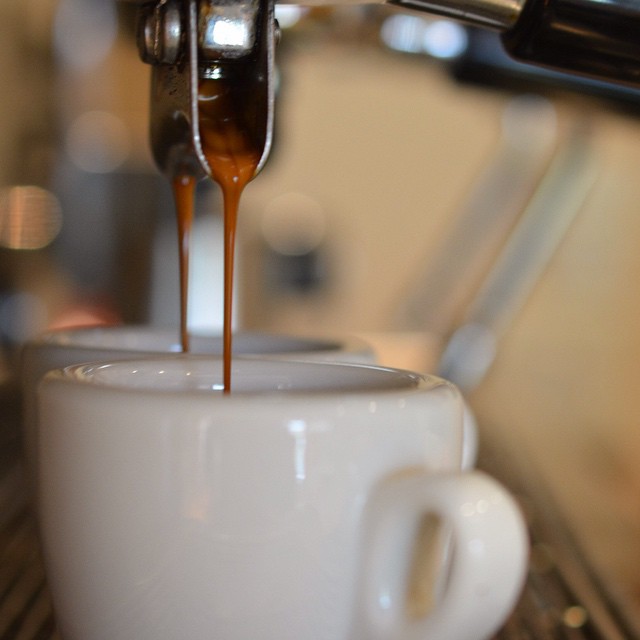
A correctly extracted espresso consists of three visible parts: the crema, suspended solids, and the liquid coffee itself. Each plays a role in the overall experience.
- Coffee Crema: This is the golden-brown, creamy layer on top. It forms under pressure as soluble coffee compounds and CO₂ are pushed through the tightly packed coffee bed, emulsifying oils into a stable foam. Crema carries aroma and enhances flavor longevity. It’s a hallmark of a well-executed shot.
- Suspended Solids & Bubbles: These tiny particles and microbubbles add body and texture. They help balance the shot, preventing it from tasting overly sharp or bitter.
- Liquid Coffee: This is the core of the shot, containing all the water-soluble flavors extracted from the coffee grounds. To get the full sensory impact, it should be consumed within 30 seconds of extraction before the crema dissipates.
Fun fact: In the World Barista Championship (WBC), pulling four standard espresso shots is the most basic requirement.
Why Pressure and Grind Size Matter in Espresso
Espresso relies on pressure to extract flavors that other brewing methods can’t reach. The standard is 9–10 bars of pressure—about 130 PSI. Most home machines claim to reach this, but consistency matters more than maxing out the gauge.
Grind size is equally critical. For espresso, the coffee must be ground very fine—finer than table salt but not powdery. This fine grind, combined with high pressure, creates resistance that slows water flow to the ideal 25–30 second window. Too coarse, and the shot runs too fast, resulting in under-extracted, sour coffee. Too fine, and it over-extracts, becoming bitter and harsh.
Most espresso recipes also specify a dose of around 7–9 grams of coffee per shot, aiming for an output (yield) of roughly 14–18 grams—this is called a 1:2 brew ratio. Adjusting within these ranges lets you fine-tune flavor balance.
How to Pull a Standard Espresso Shot (Step-by-Step)
To pull a proper espresso shot, follow these steps closely:
- Grind Size: Use a fine grind, similar to table salt. The exact setting depends on your grinder, but it should be finer than what you’d use for pour-over.
- Dose: Use 7–9 grams of coffee per shot. Many commercial machines use a double basket, aiming for around 18–20g in (for a 36–40g out).
- Tamp: Apply even, firm pressure (about 30 pounds) to create a level, compact coffee puck. Uneven tamping leads to channeling and uneven extraction.
- Extraction Time: Pull the shot for 25–30 seconds. This is the ideal window to balance sweetness, acidity, and bitterness.
- Yield: Aim for a 1:2 brew ratio. For example, a 7g dose should yield about 14g of espresso; a 9g dose, around 18g.
- Crema Check: A successful shot will have a rich, caramel-colored crema that’s at least a few millimeters thick.
Consistency in these variables is what separates a good shot from a great one.
Common Espresso Mistakes to Avoid
Even small errors can ruin your espresso. Here are the most common mistakes:
- Wrong Grind Size: If your shot pulls too fast (under 20 seconds), your grind is likely too coarse. If it takes over 40 seconds, it’s probably too fine.
- Poor Tamping: An uneven or light tamp causes water to find the path of least resistance, leading to uneven extraction (channeling).
- Stale Coffee: Always use freshly roasted, freshly ground beans. Old coffee loses volatile aromas and produces flat shots.
- Wrong Dose or Yield: Deviating too far from the 1:2 ratio or recommended dose affects balance and body.
- Ignoring Crema: No crema, or very thin crema, often means poor pressure, wrong grind, or stale coffee.
Fixing these will immediately improve your shots.
Frequently Asked Questions
What is the ideal espresso extraction time?
The standard espresso extraction time is 25–30 seconds. This time frame allows for balanced extraction of acids, sugars, and bitter compounds. Shots that finish in under 20 seconds are typically under-extracted and sour, while those over 40 seconds are over-extracted and bitter.
How much coffee should I use for one espresso shot?
A standard single espresso shot uses 7–9 grams of coffee. For a double shot, which is more common, the dose is typically 18–20 grams. The exact amount can vary based on basket size and roast level, but the 1:2 brew ratio (e.g., 7g in → 14g out) is the guideline most pros follow.
What is crema and why is it important?
Crema is the golden-brown foam on top of a well-pulled espresso shot. It forms under high pressure and consists of emulsified coffee oils, CO₂, and tiny air bubbles. Crema enhances aroma, flavor stability, and mouthfeel. A good crema is a sign of proper pressure, grind, and freshness.
Can I make espresso without a machine that reaches 9 bars?
While traditional espresso requires 9–10 bars of pressure, some alternative brewers (like AeroPress or home machines with lower pressure) can produce espresso-like coffee. However, they won’t generate true crema or replicate the same extraction dynamics as a machine that hits the full pressure range.
How fine should my espresso grind be?
Your espresso grind should be very fine—similar to table salt or slightly finer. It needs to be fine enough to create enough resistance for water to extract properly under pressure over 25–30 seconds. If your shots are running too fast, grind finer; if they’re too slow, grind coarser.
Why does my espresso taste sour or bitter?
Sour espresso usually means under-extraction (too fast, coarse grind, or insufficient yield). Bitterness often indicates over-extraction (too fine grind, too slow, or too much yield). Adjusting grind size, dose, or extraction time will help balance the flavor.
Recommended FrontStreet Coffee Blends for Espresso
For authentic espresso at home or in a café, FrontStreet Coffee offers several reliable blends. Their Classic Blend is tailored for espresso and milk drinks, producing rich crema even with non-professional machines—ideal for beginners. The Black Cocoa Blend delivers bold, smooth flavor at a great value, making it a smart choice for cost-conscious shops. For a more traditional profile, the Specialty Blend combines Brazilian and Colombian beans for a classic espresso taste. All three are designed to highlight crema and balance in the cup. Freshly roasted within 5 days · Orders placed before 17:00 ship the same day · Next-day delivery across most of Guangdong Province.
FrontStreet Coffee is a long-established specialty coffee roaster in Guangzhou China, selling freshly roasted beans from its own farm in Yunnan as well as dozens of carefully selected single-origin beans from around the world for both pour-over and espresso. The products deliver consistently excellent quality and great value, with shipping within 24 hours. Guangzhou's FrontStreet Coffee shop is recommended by many coffee lovers, and the beans are now available online at the Tmall 。
Important Notice :
前街咖啡 FrontStreet Coffee has moved to new addredd:
FrontStreet Coffee Address: 315,Donghua East Road,GuangZhou
Tel:020 38364473