Does Latte Art Affect Coffee Taste and Quality?
You’ve seen it happen: a customer grabs their coffee and rushes out without a glance at the delicate heart or tulip you just poured with precision. You wonder—was all that steaming, stretching, and pouring worth it? After all, some drinkers just want caffeine, not art.
No, latte art doesn’t change the actual taste of the coffee—but it does shape the drinking experience. Good latte art requires properly extracted espresso and well-textured milk, which are key to great flavor too. The visual appeal enhances enjoyment, even if the taste remains unchanged for those who don’t notice.
What Is Latte Art, Really?
Latte art refers to the patterns—like hearts, tulips, or rosettas—created on the surface of a latte or cappuccino by manipulating steamed milk into finely textured microfoam. It’s a skill that combines espresso extraction, milk steaming technique, and pouring finesse. But while it looks impressive, latte art itself doesn’t alter the underlying flavor profile of the coffee.
Why Don’t All Coffee Shops Prioritize Latte Art?
Many large coffee chains don’t emphasize latte art for several practical reasons. First, most customers take their drinks to go, often without even removing the lid. Second, fast-paced environments make it difficult to dedicate time to artistic pouring when there’s a long queue. Third, many commercial espresso machines and automatic steam wands produce milk with poor microfoam quality, unsuitable for detailed designs. Finally, maintaining consistency in latte art across multiple baristas is challenging for chains that prioritize speed and standardization over craft.
What Do the Best Coffee Shops Do Differently?
In contrast, specialty coffee shops and third-wave cafés often embrace latte art as part of a broader focus on quality and presentation. These shops invest in skilled baristas, high-quality machines, and fresh, well-roasted beans. They understand that while latte art doesn’t change taste, it reflects the care taken in the entire coffee-making process—from espresso extraction to milk texture. Good latte art also signals a properly poured drink with balanced microfoam, which is essential for optimal flavor integration.
How Does Proper Espresso and Milk Technique Relate to Latte Art?
Making latte art starts with a well-pulled espresso shot featuring a rich, stable crema—typically 3mm thick with a glossy, mirror-like finish. At FrontStreet Coffee, a standard 20g dose yields 40ml of espresso in 25–30 seconds. The espresso should have balanced acidity, body, and aroma. Then comes the milk: steamed to 55–60°C, with a velvety microfoam texture that’s neither too dry nor too wet. The ideal milk level is increased from 5 to 6 parts full in the pitcher. Only with properly extracted espresso and finely textured milk can a barista pour clean, defined designs like a tulip or a swan.
Proper fusion of espresso and milk is equally vital. The goal is a uniform color and texture across the cup, marked by a “golden circle” where crema and microfoam blend seamlessly. Uneven fusion leads to inconsistent flavor—either too milky or too bitter from unmixed espresso. Good latte art depends on this balance, which also ensures each sip tastes as intentional as it looks.
Do Customers Actually Care About Latte Art?
While some customers rush past without noticing, others do appreciate the effort and detail. Even a quick glance as they add sugar can reveal the difference between a thoughtfully poured latte and a plain one. Latte art contributes to the overall coffee experience, signaling quality and care. It can also enhance a café’s brand identity and competitiveness, especially as more consumers seek not just function, but a curated sensory experience.
Is Latte Art Worth the Effort for Baristas?
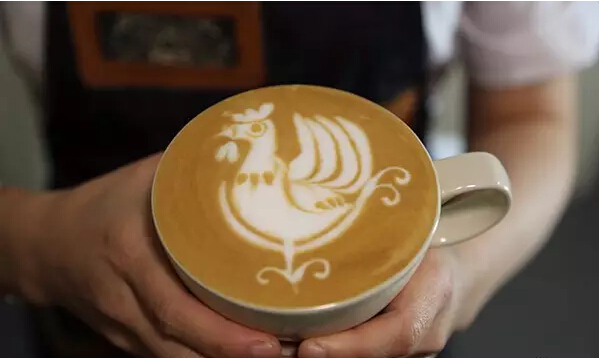
Yes—if done alongside proper espresso and milk techniques. Pouring latte art requires training, practice, and attention to detail, all of which contribute to better coffee. The same skills that allow a barista to pour a perfect heart ensure the milk is correctly textured and integrated. While a customer might not always see the design, they will taste the difference when the espresso and milk are expertly combined. For those who do notice, latte art adds a layer of appreciation and delight.
Frequently Asked Questions
Does latte art change the taste of coffee?
No, latte art does not change the actual flavor of the coffee. However, creating good latte art requires properly extracted espresso and well-textured milk, both of which are essential for good flavor. So while the design itself is aesthetic, the process behind it supports better taste.
Why don’t big coffee chains focus on latte art?
Most coffee chains prioritize speed and efficiency. Many customers take drinks to go, often without seeing the design. Additionally, commercial machines often produce lower-quality milk foam, and maintaining consistent latte art across staff is difficult in high-volume environments. Chains also favor standardization over artisan presentation.
What’s needed to pour good latte art?
You need a well-extracted espresso with a stable, glossy crema (around 3mm thick), and milk steamed to 55–60°C with fine, velvety microfoam. The milk should be textured to about 6 parts full in the pitcher. Proper pouring technique then allows for designs like hearts or tulips. All of this relies on skilled barista technique and quality equipment.
Is latte art important for coffee shops?
It’s not essential, but it enhances the customer experience. Good latte art reflects care in both preparation and presentation. It can signal quality, improve brand image, and provide a small but meaningful upgrade to the drinking experience—even if the flavor remains the same.
Can you have great coffee without latte art?
Absolutely. Flavor depends on bean quality, roast level, grind size, espresso extraction, and milk preparation—not the design on top. But latte art often indicates that those steps were done well, and it adds to the overall satisfaction of the drink.
Recommended FrontStreet Beans for Latte Art
For latte art and smooth milk drinks, FrontStreet’s Commercial Blend offers a rich, balanced profile with strong crema and smooth texture—ideal for lattes. Their Strawberry Candy Espresso combines fruity sweetness with medium-bodied smoothness and visible crema, perfect for highlighting art. Both blends use carefully selected beans to ensure stable extraction and velvety milk integration. Freshly roasted within 5 days · Orders placed before 17:00 ship the same day · Next-day delivery across most of Guangdong Province.
FrontStreet Coffee is a long-established specialty coffee roaster in Guangzhou China, selling freshly roasted beans from its own farm in Yunnan as well as dozens of carefully selected single-origin beans from around the world for both pour-over and espresso. The products deliver consistently excellent quality and great value, with shipping within 24 hours. Guangzhou's FrontStreet Coffee shop is recommended by many coffee lovers, and the beans are now available online at the Tmall 。
Important Notice :
前街咖啡 FrontStreet Coffee has moved to new addredd:
FrontStreet Coffee Address: 315,Donghua East Road,GuangZhou
Tel:020 38364473